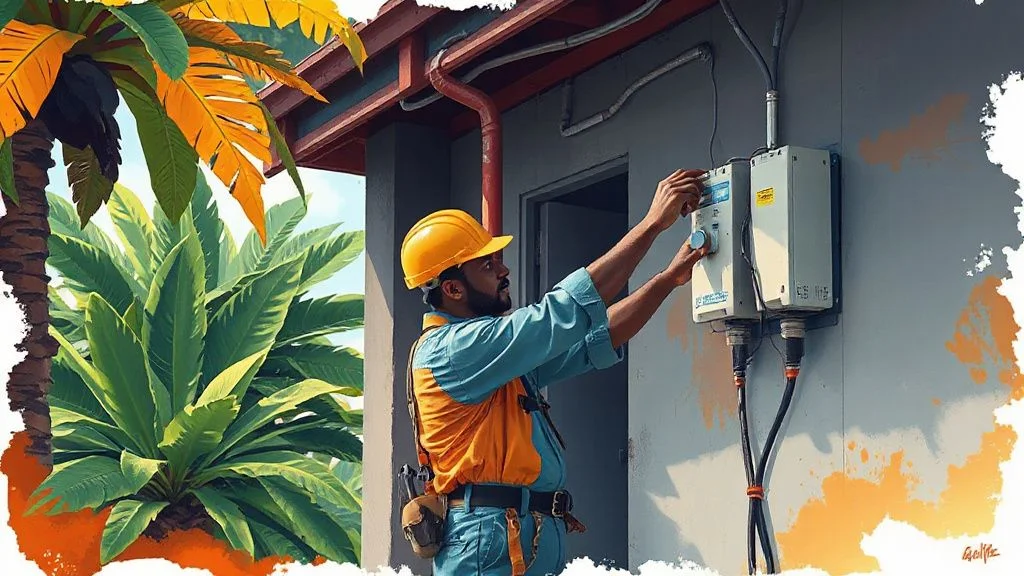
As the renewable energy sector continues to grow, many homeowners in Suriname are opting to install solar panels to harness the country’s abundant sunshine. However, for solar installers, fitting panels on roofs is not just about the technical installation; it also involves navigating various legal contracts to ensure that both the installer and the homeowner are protected. This article will explore the types of contracts solar installers typically need, what each contract should include, and practical advice for ensuring compliance and successful installations.
Understanding the Importance of Contracts
Contracts are essential in the solar installation industry as they outline the rights and responsibilities of all parties involved. They serve to clarify expectations, mitigate risks, and provide a framework for resolving disputes. In Suriname, where the market for solar energy is still developing, having clear and comprehensive contracts is crucial for building trust with clients and ensuring a smooth installation process.
For solar installers, these contracts are not just legal formalities; they are foundational documents that help to define the scope of work, payment terms, timelines, and more. Here are the primary types of contracts that solar installers should consider.
1. Solar Installation Contract
The solar installation contract is the most critical document for any installer. This contract outlines the specifics of the installation project, including the type of solar panels to be installed, the installation site, and the timeline for completion. It should also detail the warranty on the solar panels and the installation work itself.
Key Components of a Solar Installation Contract
- Scope of Work: Clearly define what work will be performed. This should include the installation of solar panels, inverters, and any additional equipment, as well as any necessary structural modifications to the roof.
- Timeline: Provide estimated start and completion dates for the project, including milestones for specific stages of the installation.
- Payment Terms: Specify the total cost of the installation, payment schedule, and acceptable payment methods. This helps prevent misunderstandings regarding financial obligations.
- Warranties and Guarantees: Outline the warranties for the solar panels and the installation services. This is crucial for assuring clients of the quality and longevity of the work.
- Insurance and Liability: Include clauses that protect both parties against potential damages or accidents that may occur during the installation process.
2. Subcontractor Agreements
In many cases, solar installers may subcontract specific aspects of the installation to other skilled tradespeople, such as electricians or roofers. It is essential to have a subcontractor agreement in place to clearly define the responsibilities of the subcontractor and the terms under which they will operate.
Important Aspects of Subcontractor Agreements
- Scope of Work: Clearly define the specific tasks the subcontractor will undertake, ensuring they align with the overall project objectives.
- Compensation: Specify how and when the subcontractor will be paid for their work, including any performance bonuses or penalties for delays.
- Compliance with Local Regulations: Ensure that the subcontractor agrees to comply with all relevant local building codes and safety regulations.
- Liability Insurance: Require subcontractors to maintain adequate liability insurance to cover any damages or accidents that may occur during their work.
3. Equipment Purchase Agreements
For solar installers, purchasing equipment such as solar panels, inverters, and mounting systems is a significant investment. An equipment purchase agreement outlines the terms of the sale between the installer and the supplier.
Key Elements of Equipment Purchase Agreements
- Product Specifications: Include detailed descriptions of the solar panels and other equipment being purchased, including brand, model, and performance ratings.
- Pricing and Payment Terms: Clearly state the total cost, payment schedule, and any financing options available.
- Delivery and Installation: Specify the delivery timeline and any associated installation services provided by the supplier.
- Return Policy and Warranty: Outline the terms for returning defective products and the warranty coverage for the equipment.
4. Service Agreements
After the installation is complete, solar installers often provide ongoing maintenance and monitoring services to ensure the system operates efficiently. A service agreement outlines the terms of these services.
Key Components of Service Agreements
- Scope of Services: Define the maintenance tasks included, such as regular inspections, cleaning, and troubleshooting issues.
- Duration: Specify the duration of the service agreement, including renewal options and termination clauses.
- Pricing: Clearly state the fees for maintenance services, whether charged as a flat rate or on a per-visit basis.
- Liability and Indemnification: Include clauses that protect the installer from liability for issues that may arise after the installation has been completed.
5. Local Compliance and Regulatory Considerations
In Suriname, solar installers must comply with local regulations and standards. It is crucial to include clauses in contracts that mandate adherence to these legal requirements. This ensures that installations are safe, effective, and legally compliant.
Regulatory Compliance Tips
- Check Local Building Codes: Before beginning any installation, installers should familiarize themselves with local building codes and requirements. This may include obtaining necessary permits and adhering to specific installation practices.
- Stay Updated on Incentives: Solar installers should keep abreast of any government incentives or regulations that could impact their contracts or the installation process.
- Incorporate Compliance Clauses: Ensure that all contracts include language that requires compliance with local regulations, protecting both the installer and the homeowner.
Practical Tips for Solar Installers
For solar installers operating in Suriname, understanding the intricacies of contract management can significantly impact their business success. Here are some practical tips to enhance contract management practices:
- Consult a Legal Professional: Engaging a lawyer who specializes in construction or energy law can help installers draft contracts that are compliant and effective.
- Use Clear Language: Avoid legal jargon and ensure that all contracts are written in clear and understandable language. This helps clients feel more comfortable with the agreements they are signing.
- Document Everything: Keep thorough records of all contracts and agreements, including any amendments or communications. This documentation can be invaluable in case of disputes.
- Communicate Regularly with Clients: Open communication with clients before, during, and after the installation process can help build trust and clarify any contractual obligations.
- Review Your Contracts Regularly: As regulations and market conditions change, it’s essential to review contracts regularly and make necessary updates to ensure ongoing compliance.
Conclusion
As solar energy gains traction in Suriname, understanding the contractual landscape is vital for solar installers. Having well-drafted contracts not only protects installers and clients but also enhances the overall professionalism of the solar installation industry. By focusing on clear agreements regarding installation, subcontracting, equipment purchases, and ongoing service, solar installers can build trust with their clients and ensure successful, compliant projects.
In a growing market like Suriname, where the potential for solar energy is immense, investing time and resources in developing strong contracts will pay dividends in terms of reputation and client satisfaction.