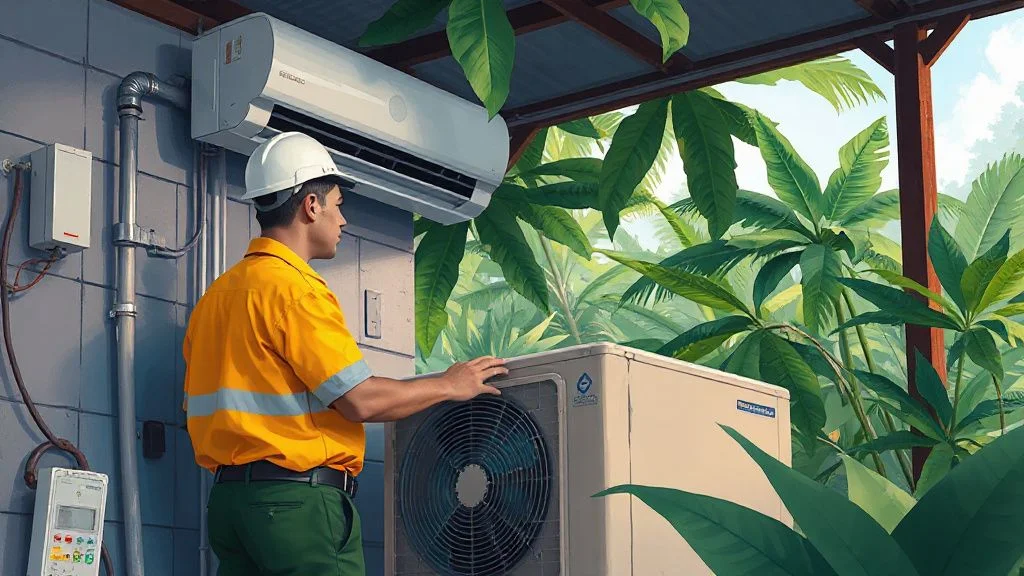
In the tropical climate of Suriname, air conditioning is not just a luxury; it’s a necessity. Having a reliable air conditioning system is crucial for comfort in homes and businesses alike. When it comes to maintaining these systems, air conditioning engineers play a vital role. This article explores what an air conditioning engineer on a service contract requires, including qualifications, tools, and practical tips for expats looking to hire these professionals.
Qualifications and Skills of Air Conditioning Engineers
To effectively service air conditioning systems, engineers must possess a specific set of qualifications and skills. In Suriname, the demand for qualified air conditioning engineers has increased due to the growing number of residential and commercial installations. Typically, engineers are expected to have relevant educational backgrounds. Many also complete specialized training programs that focus on HVAC (heating, ventilation, and air conditioning) systems.
In addition to formal education, practical experience is invaluable. Engineers often undergo apprenticeships or on-the-job training to gain hands-on experience. This experience helps them understand various air conditioning systems, including split systems, central air systems, and window units. Moreover, familiarity with local brands and models commonly used in Suriname is essential for effective service.
Certifications and Licensing
While specific licensing requirements may vary, it is advisable for engineers to obtain certifications from recognized organizations. These certifications often demonstrate proficiency in handling refrigerants, understanding electrical systems, and adhering to safety regulations. It’s wise to verify with local authorities regarding necessary certifications.
Additionally, engineers should be knowledgeable about environmental regulations concerning refrigerants, particularly those that are ozone-depleting. Staying updated with the latest industry standards and practices is crucial for maintaining compliance and ensuring safe operations.
Essential Tools and Equipment
Air conditioning engineers rely on a variety of tools and equipment to perform their jobs effectively. A well-equipped engineer will typically carry a toolkit that includes basic hand tools such as screwdrivers, wrenches, and pliers. However, the complexity of air conditioning systems requires specialized tools as well.
For instance, engineers need refrigerant gauges to measure pressure levels within the system. These gauges help diagnose issues related to refrigerant levels, which are critical for the system’s efficiency. Additionally, vacuum pumps are essential for removing moisture and air from the refrigerant lines during installation or repair, ensuring optimal performance.
Diagnostic and Testing Equipment
Engineers also utilize diagnostic tools like multimeters to check electrical components and ensure they are functioning correctly. Thermal imaging cameras can help identify temperature variations in the system, indicating potential problems. These tools are particularly useful in Suriname’s humid climate, where moisture can lead to electrical failures or corrosion.
Moreover, having access to a reliable vehicle is crucial for engineers, as they often travel to various job sites across the country. A well-maintained vehicle equipped with necessary tools and spare parts can significantly enhance their efficiency and response time.
Service Contracts and Maintenance Requirements
For both residential and commercial clients, service contracts are an essential aspect of maintaining air conditioning systems. These contracts typically outline the scope of work, frequency of service, and costs involved. A well-structured service contract can help ensure that air conditioning systems operate efficiently throughout the year.
Regular maintenance is crucial in Suriname’s climate, where dust, humidity, and heat can take a toll on air conditioning units. Engineers often recommend regular service checks, which may include cleaning filters, checking refrigerant levels, inspecting electrical components, and ensuring proper airflow. These preventative measures can extend the lifespan of the system and improve energy efficiency.
Understanding Client Needs
When entering into a service contract, it’s essential for engineers to understand the specific needs of their clients. This includes assessing the size of the space, the type of air conditioning system installed, and the client’s usage patterns. For example, a commercial establishment with high foot traffic may require more frequent servicing compared to a residential unit.
Engineers should also communicate clearly with clients about what the service contract covers, including any additional costs for repairs or parts that may arise outside of routine maintenance. Transparency in these discussions fosters trust and ensures that clients feel confident in their service provider.
Practical Tips for Hiring Air Conditioning Engineers
For expats living in Suriname, finding a reliable air conditioning engineer can be daunting. Here are some practical tips to help you navigate the process:
- Seek Recommendations: Start by asking fellow expats or locals for recommendations. Personal experiences can provide valuable insights into the reliability and quality of service offered by different engineers.
- Check Credentials: Ensure that the engineer you are considering has the necessary qualifications and certifications. Don’t hesitate to ask for proof of their credentials.
- Request Quotes: Obtain quotes from multiple engineers to compare pricing and services offered. This will help you gauge the average cost and ensure you’re getting a fair deal.
- Read Reviews: Look for online reviews or testimonials from previous clients. Websites and social media platforms can be useful for finding feedback on local service providers.
- Discuss Maintenance Plans: Inquire about service contracts and maintenance plans. A good engineer should be able to explain the benefits of regular maintenance and what their plans include.
Understanding Cultural Nuances
When hiring services in Suriname, it’s essential to understand cultural nuances. Building a rapport with your service provider can go a long way. Taking the time to engage in friendly conversation can create a more pleasant working relationship. Additionally, being punctual and respectful of the engineer’s time is appreciated in Surinamese culture.
Moreover, having a basic understanding of local languages can facilitate communication. If language barriers exist, consider using translation apps or services to ensure clear communication about your needs and expectations.
Conclusion
Hiring an air conditioning engineer on a service contract in Suriname involves understanding their qualifications, the tools they use, and the importance of regular maintenance. By seeking recommendations, checking credentials, and discussing service plans, expats can find reliable professionals to ensure their air conditioning systems function optimally. Embracing local cultural nuances can further enhance the experience, making it easier to establish a trustworthy relationship with service providers. With the right approach, maintaining a comfortable living environment in Suriname becomes a seamless task.
Last updated: November 2026