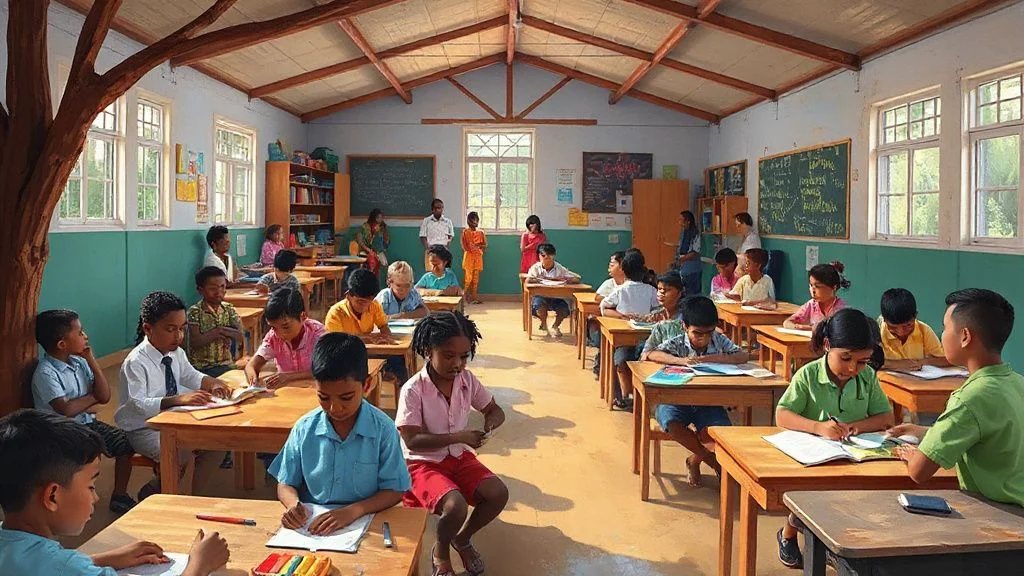
Choosing a primary school with an international section for your child is a significant decision, especially in a culturally rich and diverse country like Suriname. This article will guide you through the key factors to consider when evaluating these schools, helping you make an informed choice that aligns with your family's educational values and expectations.
Understanding the Curriculum
One of the first aspects to consider when judging a primary school with an international section is the curriculum offered. Many international schools in Suriname follow well-known educational frameworks such as the International Baccalaureate (IB) or the British National Curriculum. Each of these curricula has its strengths, so it’s essential to understand how they align with your educational goals for your child.
For instance, the International Baccalaureate emphasizes critical thinking, intercultural understanding, and a global perspective. This can be particularly beneficial for expatriate families, as it prepares students for a diverse world. On the other hand, the British National Curriculum is structured and provides a clear progression of learning, which can be comforting for parents who prefer a more traditional approach. Research the specific curriculum details and how they are implemented in the school you are considering.
Accreditation and Recognition
Accreditation is another critical factor when evaluating an international school. Schools that are accredited by recognized bodies ensure that they meet specific educational standards. In Suriname, look for schools accredited by organizations such as the Council of International Schools (CIS) or the New England Association of Schools and Colleges (NEASC). These accreditations not only validate the quality of education but also enhance the school's reputation globally.
Additionally, check if the school has partnerships with other international institutions or universities. This can provide your child with opportunities for exchange programs or advanced placement options later in their academic journey.
Faculty Qualifications and Experience
The quality of the teaching staff is paramount in any educational setting. Investigate the qualifications and experience of the teachers in the international section. Many international schools in Suriname employ educators from various countries, bringing diverse teaching methodologies and perspectives into the classroom.
Inquire about the teachers' credentials, including their educational background and teaching certifications. Schools that prioritize hiring qualified teachers often have a more robust educational environment. Additionally, consider the teacher-to-student ratio, as smaller class sizes typically allow for more personalized attention and support for each student.
Language of Instruction
Language can be a significant factor in your child's educational experience. Most international sections in Suriname offer instruction in English, but some may also provide bilingual education or instruction in other languages such as Dutch or Spanish. If your child is not a native English speaker, consider how the school supports language acquisition.
Look for schools that offer language support programs or additional language classes. This can help non-native speakers transition more smoothly into the curriculum and enhance their overall learning experience. Additionally, exposure to multiple languages can be an asset in today’s globalized world.
School Environment and Culture
The school environment plays a crucial role in your child's overall development. When visiting potential schools, pay attention to the atmosphere. Is it welcoming and inclusive? Are students engaged and happy? The culture of the school can significantly impact your child's motivation and enthusiasm for learning.
Consider the school's approach to discipline and behavior management. A positive and nurturing environment fosters emotional and social development, which is just as important as academic success. Speak with current parents and students to get a sense of the school's culture and community involvement.
Extracurricular Activities
Extracurricular activities are essential for a well-rounded education. They provide opportunities for students to explore their interests, develop new skills, and build friendships outside the classroom. Look for schools that offer a variety of extracurricular programs, including sports, arts, music, and clubs.
In Suriname, many international schools emphasize cultural activities that reflect the country's rich heritage. Participation in local festivals, community service projects, and environmental initiatives can enrich your child's educational experience and help them connect with their surroundings.
Facilities and Resources
The quality of facilities and resources available at a school can greatly influence the learning experience. When evaluating a primary school with an international section, take note of the classrooms, libraries, laboratories, and recreational areas. Well-equipped facilities can enhance the educational experience and provide students with the tools they need to succeed.
In addition to physical resources, consider the availability of technology in the classroom. Schools that integrate technology into their curriculum can better prepare students for the digital world. Look for schools that provide access to computers, tablets, and other learning tools, as well as training for both students and teachers on how to use these resources effectively.
Parent and Community Involvement
Active parent and community involvement can significantly enhance a child's educational experience. Schools that encourage parental participation in school events, committees, and volunteer opportunities create a supportive community that benefits everyone. When visiting schools, ask about their policies on parent involvement and how they foster a sense of community among families.
Additionally, consider the school's communication with parents. Regular updates on student progress, school events, and opportunities for feedback can help parents stay engaged and informed about their child's education.
Practical Tips for Expat Families
As an expatriate family, navigating the educational landscape in Suriname can be challenging. Here are some practical tips to help you make the best decision:
- Visit Multiple Schools: Schedule visits to several schools to get a feel for their environments and cultures. This will help you compare and contrast your options effectively.
- Engage with Other Parents: Connect with other expatriate families in Suriname to gather insights and recommendations about schools. They can provide valuable firsthand experiences.
- Check Online Reviews: Look for online reviews or forums where parents discuss their experiences with specific schools. This can provide additional perspectives on the schools you are considering.
- Consider Location: Evaluate the school's location in relation to your home and workplace. A convenient location can reduce commute times and enhance your family's daily routine.
- Trust Your Instincts: Ultimately, trust your instincts when choosing a school. If a school feels right for your child and aligns with your family's values, it may be the best fit.
Conclusion
Choosing a primary school with an international section in Suriname requires careful consideration of various factors, including curriculum, faculty, school culture, and facilities. By taking the time to research and visit potential schools, you can ensure that you select an environment that supports your child's academic and personal growth. Remember to engage with the community and trust your instincts as you navigate this important decision for your family.