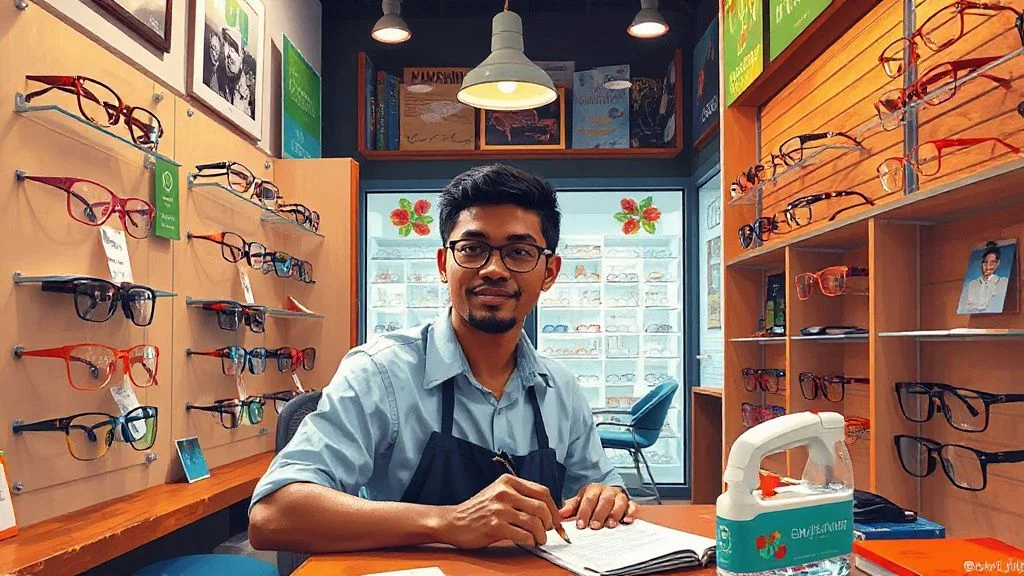
Understanding how opticians are compensated for making prescription glasses can help consumers navigate the eyewear market more effectively. This article delves into the various payment structures, factors influencing costs, and practical advice for those seeking optical services. Whether you're a local or part of the diaspora visiting Suriname, knowing how opticians operate can enhance your experience when purchasing eyewear.
Payment Structures for Opticians
Opticians typically receive compensation through several payment structures, which can vary based on their employment status, the type of practice, and the services provided. Understanding these structures can provide insights into the overall cost of prescription glasses.
Hourly Wage vs. Commission
Many opticians are employed by optical retail chains or private practices, where they may receive an hourly wage. This wage can vary significantly based on experience, location, and the specific employer. In some cases, opticians may also earn a commission based on the sales of eyewear products, including glasses and contact lenses. This commission structure incentivizes opticians to provide excellent customer service and recommend suitable eyewear options to clients.
In some cases, opticians may earn a commission based on the sales of eyewear products, depending on the store's policies. This means that if an optician sells a pair of glasses, they could earn a commission based on the sale price.
Independent Opticians and Private Practices
Independent opticians or those running private practices may have a different compensation model. They often set their prices for services and products, which can lead to higher earnings per transaction compared to those working for larger chains. This independence allows them to establish a more personalized relationship with clients, which can lead to repeat business and referrals.
In private practices, opticians may charge a flat fee for eye exams, which can be a significant part of their income. The fees for eye exams can vary widely, so it’s advisable to check with local opticians for their specific rates. This flexibility in pricing can also allow independent opticians to offer promotions or discounts, making their services more accessible to a broader audience.
Factors Influencing the Cost of Prescription Glasses
Several factors can influence the overall cost of prescription glasses, which in turn affects how opticians are paid. Understanding these factors can help consumers make informed decisions when purchasing eyewear.
Type of Lenses and Frames
The type of lenses and frames selected plays a crucial role in determining the final price of glasses. Basic single-vision lenses are generally less expensive than progressive lenses, which require more complex manufacturing processes. Additionally, lens coatings, such as anti-reflective or blue light filtering, can increase the cost significantly.
Frames also vary widely in price, from budget options to designer brands. Opticians typically have a range of frames available, and the choice of frame can impact their commission if they work on a commission basis. For example, if a customer opts for a high-end designer frame, the optician may earn a higher commission compared to a budget frame.
Insurance and Payment Plans
Insurance coverage can significantly affect the cost of prescription glasses. Understanding what is covered can help clients save money. Opticians often work with various insurance providers, and it is beneficial for consumers to inquire about the specifics of their coverage.
Some optical practices also offer payment plans or financing options, allowing customers to spread the cost of their eyewear over several months. This can make purchasing glasses more manageable for those on a budget. Opticians may receive payment from insurance companies or payment plans upfront, which can influence their cash flow and overall earnings.
Understanding the Manufacturing Process
The process of making prescription glasses involves several steps, each of which can affect the cost and, consequently, how opticians are compensated. Understanding this process can provide consumers with a better appreciation of the value of their eyewear.
From Prescription to Production
Once a customer has their eye exam and receives a prescription, the optician takes precise measurements to ensure the glasses fit correctly. This includes measuring the distance between the pupils and the curvature of the lenses. These measurements are crucial for producing glasses that provide optimal vision correction.
After measurements are taken, the lenses are crafted according to the prescription. This can involve cutting and shaping the lenses to fit the chosen frames. The complexity of this process can vary based on the type of lenses required, which can influence the overall cost. Opticians may charge additional fees for custom lens shaping or special coatings, which can contribute to their earnings.
Quality Control and Final Adjustments
Quality control is an essential part of the glasses-making process. Opticians must ensure that the lenses are free from defects and that they fit properly in the frames. This final adjustment phase is crucial for customer satisfaction and can impact the optician's reputation and future business.
In some cases, opticians may offer follow-up services, such as adjustments or repairs, which can provide additional income. These services are often included in the initial purchase price but can also be charged separately if extensive work is needed.
Practical Tips for Consumers
For those looking to purchase prescription glasses, there are several practical tips to keep in mind that can enhance the experience and ensure a satisfactory outcome.
Research Local Opticians
Before making a purchase, it’s beneficial to research local opticians in Suriname. Look for reviews and testimonials from previous customers to gauge the quality of service provided. Many opticians have websites or social media pages where they showcase their products and services, making it easier to compare options.
Additionally, visiting multiple optical shops can provide insight into the range of products available and the pricing structures. This can help consumers make informed decisions based on their budget and preferences.
Ask About Insurance and Payment Options
When visiting an optician, it’s essential to inquire about insurance coverage and payment options. Understanding what is covered by insurance can help reduce costs significantly. If insurance is not available, ask about financing options or payment plans that can make purchasing eyewear more manageable.
Furthermore, don’t hesitate to ask the optician about any ongoing promotions or discounts. Many optical shops offer seasonal sales or package deals, which can provide significant savings.
Conclusion
In summary, understanding how opticians are compensated for making prescription glasses involves exploring various payment structures, factors influencing costs, and the manufacturing process. By being informed about these aspects, consumers can make confident decisions when purchasing eyewear. Whether you are a local or a visitor in Suriname, taking the time to research and ask questions can lead to a more satisfying eyewear experience.
Last updated: November 2026