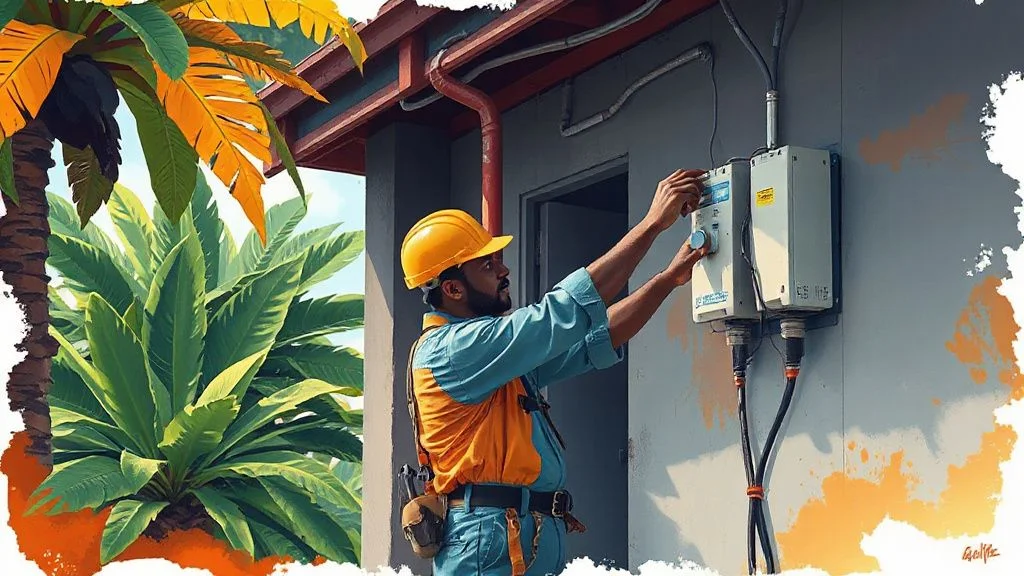
When planning a new electrical installation in Suriname, understanding the certification process is crucial. This article will guide you through the requirements an electrician must meet to certify a new installation, ensuring your project complies with Surinamese law and with the safety standards that apply. Whether you're a homeowner, a business owner, or an expat looking to set up a new space, knowing what to expect can save you time, money, and potential headaches.
Understanding Electrical Certification in Suriname
Electrical certification is a formal process that ensures all electrical installations meet the safety standards that apply. Which standards those are could not be traced for this article, so it names none; the party that certifies the installation is the one that can tell you which guidelines an electrician must follow to ensure that installations are safe and reliable.
Typically, the certification process involves several steps, including inspections, documentation, and compliance with national electrical codes. An electrician must be knowledgeable about these codes to ensure that the installation is not only functional but also safe for use. This is particularly important in a tropical country like Suriname, where humidity and environmental factors can affect electrical systems.
Key Requirements for Electricians
Licensing and Qualifications
Before an electrician can certify a new installation, they must possess the necessary licenses and qualifications. It is important to ensure that electricians have completed relevant training and are knowledgeable about the latest electrical codes and safety practices.
When hiring an electrician, it’s advisable to ask for proof of their qualifications and experience. Look for electricians who have worked on similar projects and can provide references. This not only helps ensure quality work but also gives you peace of mind knowing that your installation is in capable hands.
Knowing the Standards for the Work
Electricians must know the wiring standards they work to. Which standards are in force in Suriname could not be traced for this article; what such standards cover ranges from wiring methods to safety requirements, and they are designed to protect both the property and its occupants. An electrician should be able to explain how their work complies with these regulations and provide documentation to support their claims.
For expats, understanding these codes can be challenging, especially if you are unfamiliar with local practices. It’s beneficial to engage an electrician who can walk you through the requirements and ensure that your installation meets all necessary standards. This can prevent costly rework or fines down the line.
Documentation and Inspection Process
Required Documentation
To certify a new electrical installation, electricians must prepare and submit several documents. These typically include:
- Installation Plans: Detailed schematics showing the layout of the electrical system, including wiring diagrams and load calculations.
- Material Specifications: Documentation of the materials used in the installation, ensuring they meet local standards.
- Inspection Reports: After completing the installation, the electrician must conduct a thorough inspection and document their findings.
- Compliance Certificates: A formal certificate indicating that the installation complies with all relevant codes and regulations.
While the specific documentation required may vary, it’s essential to verify with your electrician what is needed for your particular project. This will help streamline the certification process and avoid delays.
The Inspection Process
Once the installation is complete, an inspection is necessary to ensure everything is functioning correctly and safely. The electrician will typically conduct an initial inspection before submitting the necessary paperwork to the relevant authorities. This inspection will check the work against the installation plans and the standards the certifier applies.
After the electrician’s inspection, a representative from the relevant authority may conduct a follow-up inspection. This is to verify that the installation meets all safety standards. It’s important to ensure that the installation is accessible during this inspection, as any obstructions could lead to delays in certification.
Common Challenges and How to Overcome Them
Dealing with Non-Compliance
One of the most significant challenges in the certification process is dealing with non-compliance issues. If the installation does not meet those standards, the electrician will need to make corrections before certification can be granted. This can lead to additional costs and delays.
To mitigate this risk, it’s advisable to conduct regular check-ins with your electrician throughout the installation process. This ensures that any potential issues are identified early, allowing for timely corrections. Additionally, having a clear contract that outlines the responsibilities of both parties can help prevent misunderstandings.
Understanding Costs and Fees
While specific fees for certification are not publicly available, it’s essential to discuss costs upfront with your electrician. Factors that can influence the cost of certification include the complexity of the installation, the materials used, and any required inspections. Make sure to get a detailed estimate before work begins, so you have a clear understanding of the financial commitment involved.
For expats, it’s also wise to consider the exchange rate when budgeting for electrical work. The local currency is used for transactions, and fluctuations in the exchange rate can impact your overall costs.
Practical Tips for Expats
Choosing the Right Electrician
Finding a reliable electrician in Suriname can be daunting, especially for expats unfamiliar with the local market. Start by seeking recommendations from fellow expats or local community groups. Online forums and social media platforms can also be valuable resources for finding trusted professionals.
Once you have a shortlist, consider interviewing potential electricians. Ask about their experience, qualifications, and previous projects. A good electrician should be willing to discuss their approach and provide examples of their work. This will help you gauge their expertise and ensure they are the right fit for your project.
Maintaining Open Communication
Effective communication is key to a successful electrical installation. Make sure to discuss your expectations, budget, and timeline with your electrician from the outset. Regular updates throughout the project can help ensure that everything stays on track and that any issues are addressed promptly.
Additionally, be open to suggestions from your electrician. They may have valuable insights into the best practices for your specific installation, which can lead to a safer and more efficient outcome.
Conclusion
Certifying a new electrical installation in Suriname involves a detailed process that requires careful planning and execution. By understanding the requirements, documentation, and potential challenges, you can navigate this process with confidence. Remember to choose a qualified electrician, maintain open communication, and stay informed about the rules that apply. With the right approach, you can ensure that your electrical installation is safe, compliant, and ready for use.
Last updated: November 2026