For expatriate families moving to Suriname, understanding the educational landscape is crucial, especially when it comes to primary schools with international sections. These institutions offer diverse curricula and cater to various educational philosophies, making them attractive options for families seeking quality education for their children. In this article, we will explore the typical costs associated with these schools, what you can expect in terms of services, and practical tips to help you navigate the enrollment process.
Overview of International Primary Schools in Suriname
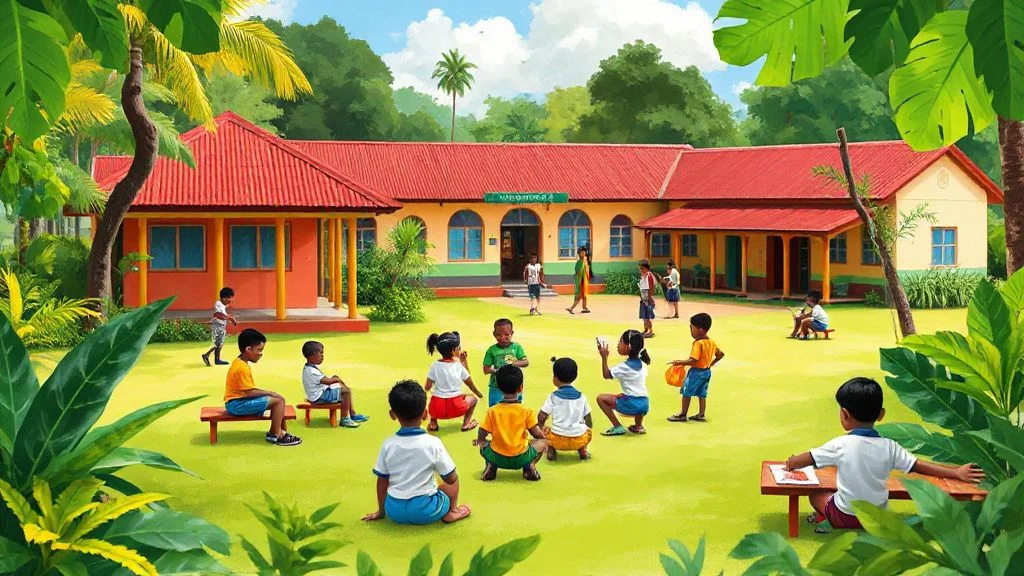
International primary schools in Suriname are designed to accommodate the needs of expatriate families and local students who seek a global education. These schools often follow curricula from various countries, including the American, British, and International Baccalaureate (IB) systems. This diversity allows parents to choose a school that aligns with their educational values and their children's future aspirations.
In Paramaribo, the capital city, several international schools are well-regarded for their academic standards and extracurricular offerings. These institutions typically provide a multicultural environment, which is beneficial for children from diverse backgrounds. The international sections often feature smaller class sizes, enabling personalized attention and fostering a supportive learning atmosphere.
Typical Fees and Charges
While specific fees for international primary schools in Suriname can vary significantly based on the institution, they generally encompass several components, including tuition, registration fees, and additional costs for materials and activities. However, exact amounts are often not publicly disclosed, and families are encouraged to contact schools directly for the most accurate information.
Tuition fees for international primary schools can be substantial, reflecting the quality of education and facilities provided. Some schools may charge an annual tuition fee that can range widely. It's essential to verify with each school, as fees can change annually and may also depend on the grade level of the child.
In addition to tuition, families should be aware of registration fees, which are typically charged upon enrollment. These fees may be non-refundable and can vary by institution. Furthermore, many schools require parents to cover the costs of uniforms, textbooks, and school supplies, which can add to the overall expense.
Additional Costs to Consider
Beyond tuition and registration fees, there are other costs that expatriate families should consider when budgeting for their child's education in Suriname. Extracurricular activities, such as sports, music, and art programs, often come with additional fees. Schools may also organize field trips or special events that require extra funding.
Parents should also factor in transportation costs, especially if the school is not within walking distance. Some schools offer bus services, but these may incur additional charges. Understanding these costs upfront can help families avoid surprises and plan their budgets accordingly.
Comparing Schools: What to Look For
When selecting an international primary school in Suriname, it’s important to consider various factors beyond just the fees. Each school has its unique strengths, and what works for one family may not be ideal for another. Here are some key aspects to evaluate:
- Curriculum: Determine which curriculum aligns best with your educational philosophy and your child's future plans. Some schools may offer a more rigorous academic program, while others focus on holistic development.
- Facilities: Visit the schools to assess their facilities, including classrooms, libraries, sports areas, and technology resources. A well-equipped school can enhance the learning experience.
- Teacher Qualifications: Inquire about the qualifications and experience of the teaching staff. International schools often employ teachers from various countries, which can enrich the educational environment.
- Community and Culture: Consider the school's community and culture. A welcoming environment that values diversity can help your child adjust more easily to their new surroundings.
Visiting Schools
Before making a decision, it’s advisable to visit potential schools. Many institutions offer open days or tours for prospective families. This is a great opportunity to meet teachers, observe classes, and get a feel for the school's atmosphere. Additionally, speaking with other parents can provide valuable insights into their experiences and satisfaction with the school.
Practical Tips for Expat Families
For expatriate families, navigating the education system in a new country can be daunting. Here are some practical tips to help you make informed decisions:
- Start Early: Begin your search for schools as soon as you know you will be relocating. Some schools have waiting lists, and early applications can increase your chances of securing a spot.
- Communicate with the School: Don’t hesitate to reach out to schools with any questions you may have about their programs, fees, or enrollment process. Clear communication can help clarify any uncertainties.
- Consider Language Support: If your child is not fluent in the language of instruction, inquire about language support programs. Many international schools offer additional help for non-native speakers.
- Connect with Other Expat Families: Joining expat groups or forums can provide support and recommendations from families who have already navigated the school selection process.
Understanding Cultural Nuances
Suriname's culture is a blend of various influences, and this diversity is often reflected in international schools. Understanding the local culture can help your child adapt more easily. Encourage your child to participate in cultural activities and events organized by the school, as these can foster friendships and a sense of belonging.
Moreover, being open to learning about Surinamese customs and traditions can enrich your family's experience in the country. Engaging with local communities can provide additional support and help your child feel more connected to their new home.
Conclusion
Choosing a primary school with an international section in Suriname involves careful consideration of various factors, including fees, curriculum, and community. While the costs can be significant, the investment in your child's education can yield long-term benefits. By researching schools, visiting campuses, and connecting with other families, you can make an informed decision that aligns with your family's needs and values. Remember to verify all information directly with the schools, as specifics can vary widely. With the right preparation, you can ensure a smooth transition for your child into their new educational environment in Suriname.