Suriname's tropical climate and interior terrain mean a bit of preparation goes further here than on a typical beach holiday. None of it is complicated, but a few of the details — what to pack for the climate, what to discuss with a doctor beforehand, and what's required to actually enter the country — are worth sorting out before you're already packing the night before.
What the climate actually demands
Expect heat and humidity year-round, with daytime temperatures commonly in the 27–32°C (80–90°F) range regardless of season. Suriname's rainfall pattern runs in two cycles rather than one simple wet and dry split — broadly wetter from roughly April through August and again around November to February, drier the rest of the year — so check the forecast pattern for your specific travel month rather than assuming a single "rainy season" rule of thumb.
Pack for that, not for a generic tropical holiday
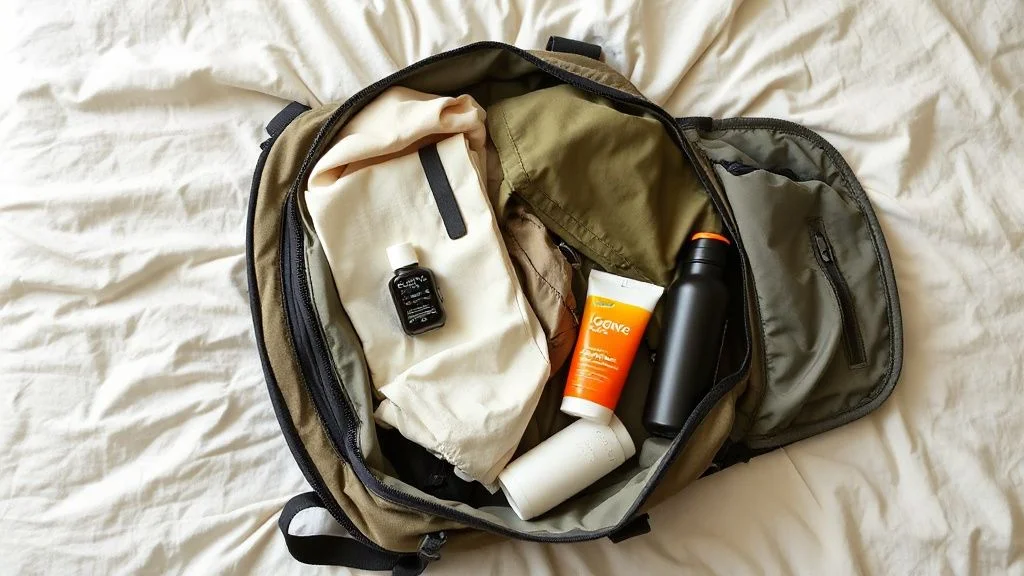
- A light, genuinely waterproof rain jacket rather than a fashion poncho — downpours arrive fast and don't negotiate.
- Lightweight, breathable clothing plus one layer for air-conditioned interiors, which run noticeably cooler than the street.
- A soft-sided bag or holdall with some water resistance, plus a smaller daypack for excursions — hard-shell luggage is awkward on interior trips.
- Mosquito repellent, sunscreen, and a basic first aid kit; pharmacies in Paramaribo are fine for top-ups, but the interior is a different story.
Health preparation worth starting early
Talk to a travel health provider or your own doctor well before you fly — several vaccines are commonly discussed for Suriname trips, and some need weeks to become effective, so this isn't a last-week errand. A yellow fever certificate can be a hard entry requirement depending on where you're arriving from, so check your specific routing rather than assuming it doesn't apply to you.
Malaria is regional, not uniform
Malaria risk in Suriname concentrates near the border with French Guiana and in interior gold-mining areas; it is not generally a concern on the Atlantic coast or in Paramaribo itself. If your itinerary includes the interior, discuss prophylaxis specifically for that part of the trip rather than for the whole visit.
Getting in: entry basics
Most visitors no longer need a visa, but an online entry fee and registration process does apply and should be completed before you travel, alongside a valid passport, proof of onward or return travel, and evidence of accommodation. Fee amounts and exact process details are adjusted from time to time, so confirm the current requirement directly through an official source shortly before you book rather than relying on an older figure you've seen quoted elsewhere.
Electronics and the small practical items people forget
Suriname uses the same 127/230V, 60Hz setup and a mix of plug types that often trips up visitors used to a single standard at home — bring a universal travel adapter rather than assuming your regular charger will fit. Power cuts away from the main hotels in Paramaribo are not common but do happen, so a small power bank is worth the pocket space, particularly on interior trips where charging options between stops are limited. A simple dry bag or large zip-lock bag for your phone and documents earns its place on any day involving a boat.
A short pre-flight checklist
- Travel health consult booked at least 4–6 weeks out, not the week before you fly.
- Entry fee and registration completed online, confirmed against a current official source.
- Rain jacket, repellent, sunscreen and a basic first aid kit packed, not left for a pharmacy run on arrival.
- Photocopy or photo of your passport and entry confirmation stored separately from the originals.
Primary Sources
Last updated: October 2026