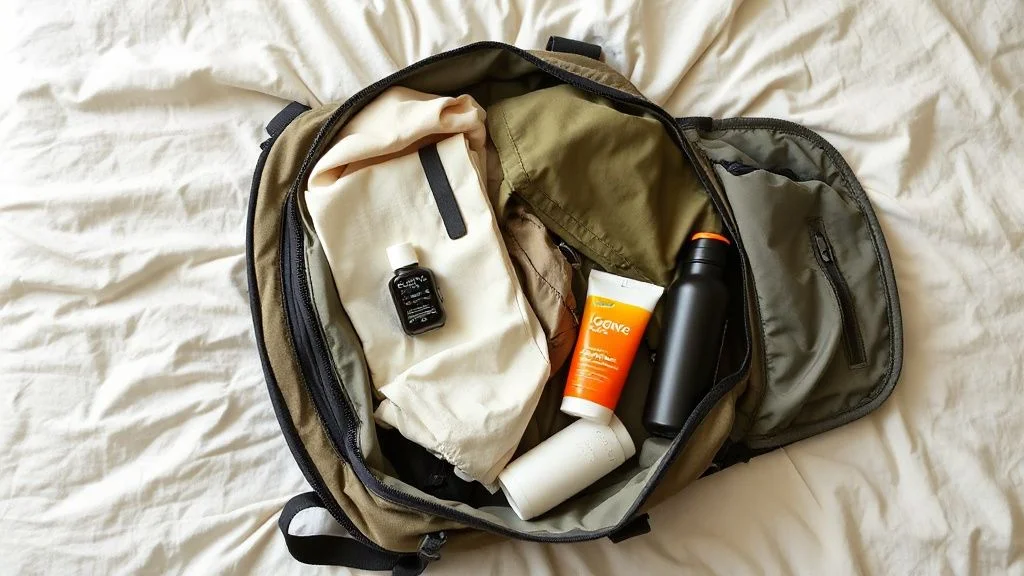
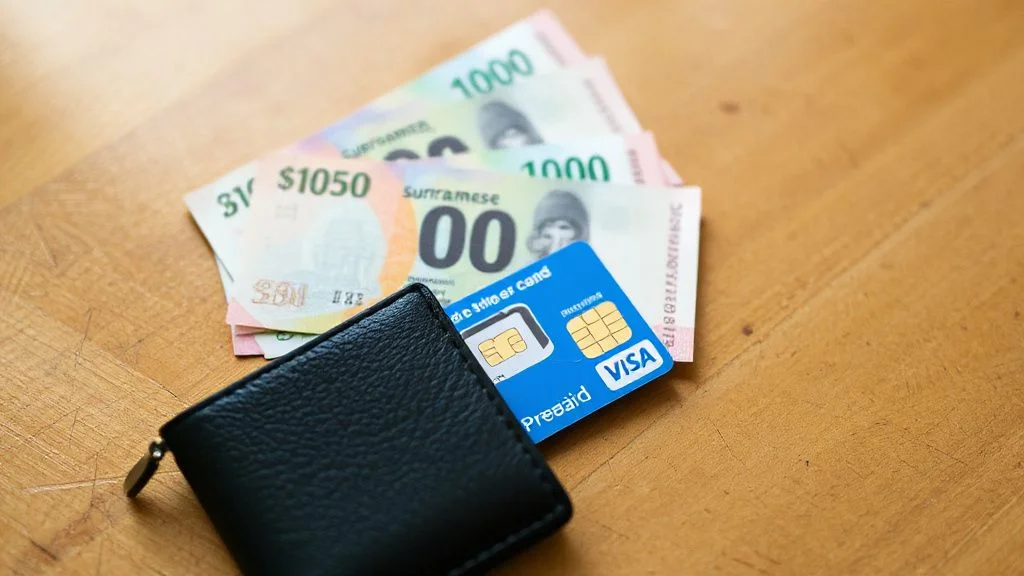
None of what follows is complicated, but getting it sorted before you land — rather than figuring it out jet-lagged at the airport — makes the first day of a Suriname trip noticeably smoother.
Getting connected
Suriname's mobile market is effectively a two-operator market: Telesur and Digicel. Telesur generally has the wider coverage and faster data speeds of the two and offers 5G to prepaid customers in covered areas, which makes it the safer default if you only want to buy one SIM and be done with it. A prepaid SIM typically costs somewhere around SRD 110–115 (a few US dollars) before you add a data bundle, and both operators sell short tourist-oriented bundles running from a single day up to about a month.
Local SIM versus roaming on your home plan
International roaming bundles from your home provider are often more expensive per gigabyte than a local prepaid SIM, and rarely match the same speed or coverage once you're outside Paramaribo. For anything longer than a couple of days, a local SIM or eSIM is almost always cheaper in practice, and the only real downside is having a different number for those days — arrange a way to stay reachable on your usual number through WhatsApp or a similar app that works over wifi before you rely entirely on the new SIM.
Where to buy one
- Johan Adolf Pengel Airport has a telecom kiosk in the arrivals area — the simplest option if you want to be online before you even reach the taxi rank.
- Operator stores in Paramaribo, plus a range of electronics shops and some grocery stores, also sell SIMs and top-ups.
- An eSIM, where your phone supports one, lets you set this up before you fly — worth checking if your device is compatible.
Cash, cards and the SRD
The Surinamese dollar (SRD) floats and its value against USD and EUR shifts over time, so treat any specific exchange rate you see quoted online as a snapshot rather than a fixed number — check a current rate close to departure rather than relying on what you read months ago. Card acceptance is real but inconsistent outside hotels, larger restaurants and established tour operators; smaller vendors, minibuses, motor-taxis and market stalls run on cash. Carry enough SRD in small denominations for everyday spending, and keep a card as backup for larger, planned purchases rather than your main payment method.
A short pre-departure checklist
- Sort connectivity — airport kiosk, in-town store, or a pre-arranged eSIM — before you need it.
- Exchange or withdraw a modest amount of SRD on arrival rather than trying to run entirely on cards.
- Tell your home bank you're travelling to Suriname if you plan to use a card at all, to avoid a routine fraud block at the worst possible moment.
- Keep small bills accessible separately from your main cash stash — breaking a large note on a minibus or with a street vendor is often harder than it should be.
Putting it together
Handle connectivity and a first round of cash in the arrivals hall or on your first morning, and the rest of the trip stops being a series of small logistical puzzles and goes back to being a holiday. None of these steps take more than a few minutes each — the only real mistake is leaving all of them for the moment you actually need them.
What this looks like for a one-week trip
A traveller staying a week typically buys a single tourist data bundle on arrival rather than topping up repeatedly, withdraws or exchanges enough SRD for two or three days at a time rather than one large sum, and keeps a card purely as backup for a hotel bill or a larger planned purchase. That pattern alone covers most of what trips people up on a first visit, and none of it requires research beyond what's in this guide.
Primary Sources
Last updated: October 2026