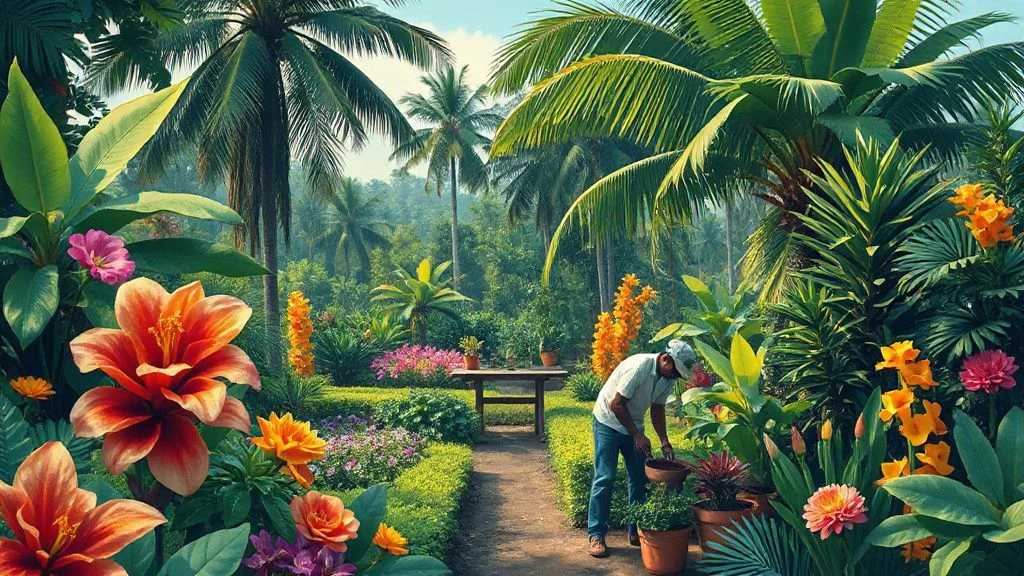
Maintaining a tropical garden in Suriname can be both rewarding and challenging. For expats and locals alike, understanding the costs associated with gardening is essential for budgeting and planning. This article delves into the various expenses a gardener might incur while maintaining a tropical plot, covering labor, materials, and practical tips for those looking to cultivate their green space in this vibrant South American country.
Labor Costs for Garden Maintenance
One of the most significant expenses in maintaining a tropical garden is labor. In Suriname, hiring a gardener can vary widely based on experience, the complexity of the tasks, and the size of the garden. Typically, gardeners in Suriname charge on an hourly basis or a flat rate for specific tasks. This rate can fluctuate depending on the gardener's expertise and the specific requirements of the job.
For larger projects, such as landscaping or creating a new garden bed, gardeners may offer a flat fee. It’s advisable to discuss the scope of work in detail before agreeing on a price. Expats should also consider that many gardeners are familiar with local plants and climate conditions, which can significantly enhance the success of a garden. Engaging a local gardener not only supports the community but also provides valuable insights into the best practices for tropical gardening.
Types of Gardening Services
Garden maintenance can encompass a variety of services, including planting, weeding, pruning, and pest control. Depending on the season and the specific needs of the garden, these services may be required more or less frequently. For example, during the rainy season, gardens may require more frequent attention due to rapid plant growth and increased weed proliferation.
Additionally, some gardeners offer specialized services such as landscape design or organic gardening techniques. Expats interested in sustainable practices might seek out gardeners who focus on permaculture or organic methods, which can sometimes come at a premium but may lead to healthier plants and a more sustainable garden.
Material Costs for Tropical Gardening
In addition to labor, gardeners will need to budget for various materials. The costs of soil, fertilizers, seeds, and plants can add up quickly. In Suriname, it’s essential to choose the right type of soil for tropical plants, as they often require well-draining, nutrient-rich substrates.
Fertilizers are another critical component of maintaining a healthy garden. Organic fertilizers, such as compost or manure, can be sourced locally and are often more affordable than chemical fertilizers. Expats should consider the long-term benefits of using organic materials, which can improve soil health and reduce environmental impact.
Choosing the Right Plants
When selecting plants for a tropical garden, it’s vital to consider local climate conditions and the specific environment of the garden. Native plants are often the best choice, as they are adapted to the local climate and require less maintenance. Nurseries in Paramaribo offer a variety of tropical plants, including fruit trees, flowering plants, and ornamental shrubs. Prices for young plants can vary, and it’s advisable to check local sources for current pricing.
Expats should also be aware of the seasonal availability of certain plants. Some species may only be available during specific times of the year, so planning ahead is essential. Visiting local markets and nurseries can provide inspiration and help gardeners make informed choices about what to plant.
Watering and Irrigation Costs
Watering is a critical aspect of gardening in a tropical climate. While Suriname experiences significant rainfall, there are periods of drought, especially during the dry season. Therefore, establishing a reliable watering system is crucial. Many gardeners opt for drip irrigation systems, which can be more efficient than traditional watering methods.
The cost of installing a basic drip irrigation system can vary depending on the size of the garden and the complexity of the system. Regular maintenance of the irrigation system is also necessary to ensure it functions correctly, which may involve additional costs.
Water Supply Considerations
In some areas of Suriname, access to clean water can be a concern. Expats should check the local water quality and consider installing a rainwater harvesting system to supplement their water supply. This system can be relatively inexpensive to set up and can significantly reduce water costs over time. Additionally, using rainwater for irrigation is an environmentally friendly option that can help conserve resources.
Pest Control and Maintenance
Pest management is another important aspect of maintaining a tropical garden. The warm, humid climate of Suriname can attract various pests, including insects and rodents. Organic pest control methods, such as neem oil or insecticidal soap, are often preferred by environmentally conscious gardeners. These products can typically be found at local gardening stores, and it’s advisable to check local sources for current pricing.
Regular maintenance tasks, such as weeding and pruning, are essential for keeping a garden healthy and vibrant. These tasks can be done by the gardener or the homeowner, depending on the level of involvement desired. Expats should be prepared to invest time in these activities, especially during the growing season when plants may require more attention.
Seasonal Considerations
Understanding the seasonal changes in Suriname is crucial for effective garden management. The wet season can lead to rapid plant growth, but it can also cause issues like mold and root rot if drainage is inadequate. Conversely, the dry season may require more intensive watering and care to keep plants healthy. Expats should plan their gardening activities according to these seasonal patterns to maximize their garden's potential.
Practical Tips for Expats
For expats new to gardening in Suriname, here are some practical tips to ensure a successful experience:
- Research Local Plants: Familiarize yourself with native plants that thrive in the local climate. This knowledge will help you choose the right plants for your garden.
- Network with Local Gardeners: Engaging with local gardening communities can provide valuable insights and tips. Many gardeners are happy to share their experiences and knowledge.
- Start Small: If you’re new to gardening, consider starting with a small plot or container garden. This approach allows you to learn and adapt without overwhelming yourself.
- Invest in Quality Tools: Having the right gardening tools can make a significant difference in your gardening experience. Invest in quality tools that are suitable for tropical gardening.
- Stay Informed: Keep up with local gardening trends and practices by visiting local markets, nurseries, and gardening workshops.
Conclusion
Maintaining a tropical garden in Suriname involves various costs, including labor, materials, and ongoing maintenance. By understanding these expenses and planning accordingly, expats can create a thriving green space that enhances their living environment. Engaging local gardeners, selecting appropriate plants, and being mindful of seasonal changes are all essential components of successful tropical gardening. With the right approach, your garden can flourish in Suriname’s unique climate.