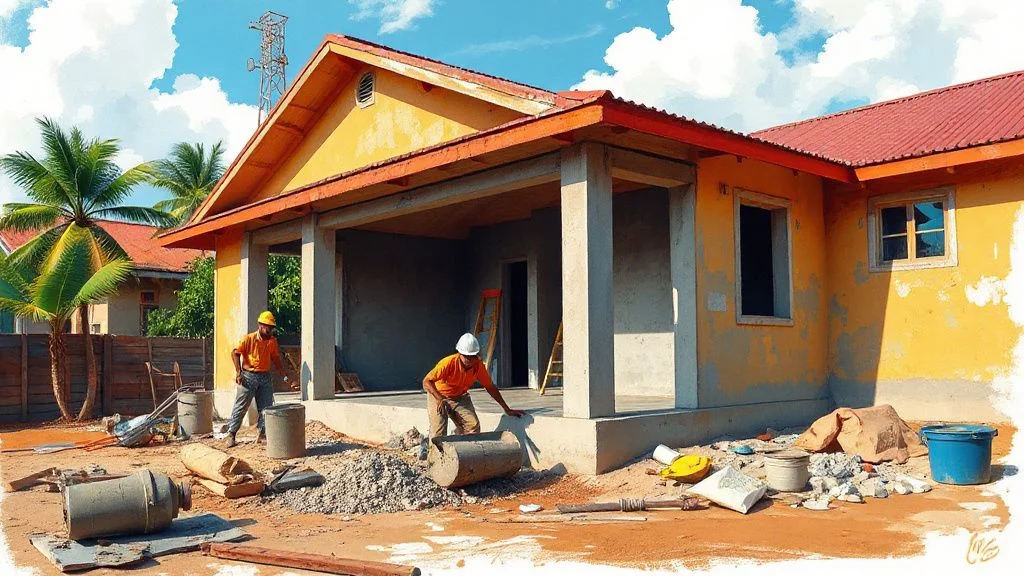
Building an extension in concrete is a significant undertaking for contractors in Suriname. This article delves into the various costs associated with such projects, providing insights into materials, labor, and other expenses. Whether you are a contractor or a homeowner considering an extension, understanding these costs will help you budget effectively and make informed decisions.
Material Costs for Concrete Extensions
One of the primary expenses for contractors building concrete extensions is the cost of materials. Concrete itself is a key component, and its price can vary based on quality and supplier. In Suriname, contractors typically source concrete from local suppliers, and the cost can fluctuate based on demand and availability. It's advisable to compare prices from multiple suppliers to ensure you are getting the best deal.
In addition to concrete, contractors must also consider the costs of reinforcement materials, such as rebar. Rebar is essential for providing strength and stability to concrete structures. The price of rebar can also vary, so it's prudent to check with local suppliers for current rates. Furthermore, contractors should factor in the costs of formwork, which is necessary for shaping the concrete during the pouring process. Formwork materials can include wood, metal, or plastic, each with its own price point.
Estimating Material Costs
To estimate material costs accurately, contractors should calculate the volume of concrete needed for the extension. This involves determining the dimensions of the area to be covered and converting those measurements into cubic meters. For example, if a contractor is building a 10-meter by 5-meter extension with a thickness of 0.15 meters, the volume of concrete required would be:
Volume = Length x Width x Thickness = 10m x 5m x 0.15m = 7.5 cubic meters
Once the volume is determined, contractors can consult local suppliers for pricing per cubic meter of concrete and rebar. This will provide a clearer picture of the total material costs involved in the project.
Labor Costs in Suriname
Labor costs are another significant factor in the overall expense of building a concrete extension. In Suriname, the cost of labor can vary based on the contractor's experience, the complexity of the project, and the local market rates. Contractors should be aware that skilled labor, such as masons and concrete finishers, may command higher wages than unskilled laborers.
When hiring labor, it's essential for contractors to consider not only the hourly wage but also the duration of the project. A well-planned project can minimize labor costs by reducing the time workers spend on-site. Additionally, contractors should ensure that they comply with local labor laws regarding wages and working conditions to avoid potential legal issues.
Calculating Labor Costs
To calculate labor costs, contractors should first estimate the number of hours required to complete the project. This can be done by breaking down the project into specific tasks, such as excavation, pouring concrete, and finishing work. For example, if a contractor estimates that the project will take a certain number of hours to complete and the average wage for skilled labor is variable, the total labor cost would be:
Total Labor Cost = Hourly Rate x Total Hours
Contractors should also factor in any additional costs associated with labor, such as transportation, meals, and accommodations for workers if they are coming from outside the local area.
Permits and Regulatory Costs
Before beginning construction, contractors must obtain the necessary permits and comply with local regulations. In Suriname, the cost of permits can vary depending on the size and scope of the project. It's crucial for contractors to check with local authorities to understand the specific requirements for building extensions.
In addition to permit fees, contractors should also consider the costs associated with inspections. Many local governments require inspections at various stages of construction to ensure compliance with safety and building codes. These inspections can incur additional fees, so it's wise to budget for them as part of the overall project cost.
Understanding the Permitting Process
The permitting process can be complex, and contractors should allocate sufficient time to secure the necessary approvals. Typically, contractors will need to submit detailed plans and specifications to the local building authority. This may involve hiring an architect or engineer to create the required documentation. Understanding the local regulations and permitting process is essential to avoid delays and additional costs.
Additional Costs to Consider
Beyond materials, labor, and permits, there are several other costs that contractors should consider when building a concrete extension. These can include:
- Site Preparation: This involves clearing the land, excavation, and grading, which can add to the overall cost.
- Utilities: If the extension requires new electrical, plumbing, or HVAC systems, these costs can add up quickly.
- Finishing Touches: Costs for interior finishes, such as flooring, painting, and fixtures, should also be included in the budget.
Contractors should create a comprehensive budget that accounts for all potential expenses to avoid surprises during the project. It's also advisable to include a contingency fund to cover unexpected costs that may arise during construction.
Budgeting for Contingencies
Setting aside a contingency fund is a best practice in construction budgeting. A common recommendation is to allocate a percentage of the total project cost for contingencies. This fund can help cover unforeseen expenses, such as price increases for materials or unexpected labor costs. By planning for contingencies, contractors can ensure that they remain on budget and avoid financial strain during the project.
Practical Tips for Contractors
For contractors building concrete extensions in Suriname, there are several practical tips to keep in mind:
- Build Relationships with Local Suppliers: Establishing strong relationships with local suppliers can lead to better pricing and availability of materials.
- Stay Informed about Market Trends: Keeping up with market trends can help contractors anticipate changes in material and labor costs.
- Invest in Quality Tools and Equipment: Using high-quality tools can improve efficiency and reduce the likelihood of costly mistakes.
- Communicate Clearly with Clients: Maintaining clear communication with clients about costs, timelines, and expectations can help prevent misunderstandings and disputes.
Conclusion
Building a concrete extension involves various costs that contractors must carefully consider. From material and labor costs to permits and additional expenses, understanding these factors is crucial for effective budgeting. By planning ahead, establishing relationships with local suppliers, and staying informed about market trends, contractors can navigate the complexities of construction projects in Suriname with confidence. Ultimately, thorough preparation and clear communication will lead to successful outcomes for both contractors and their clients.
Last updated: November 2026