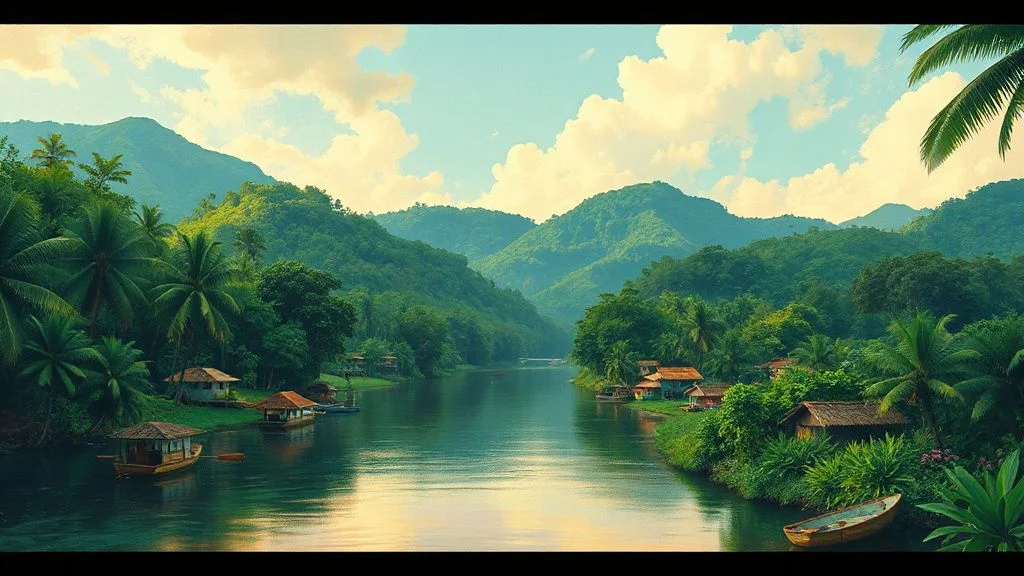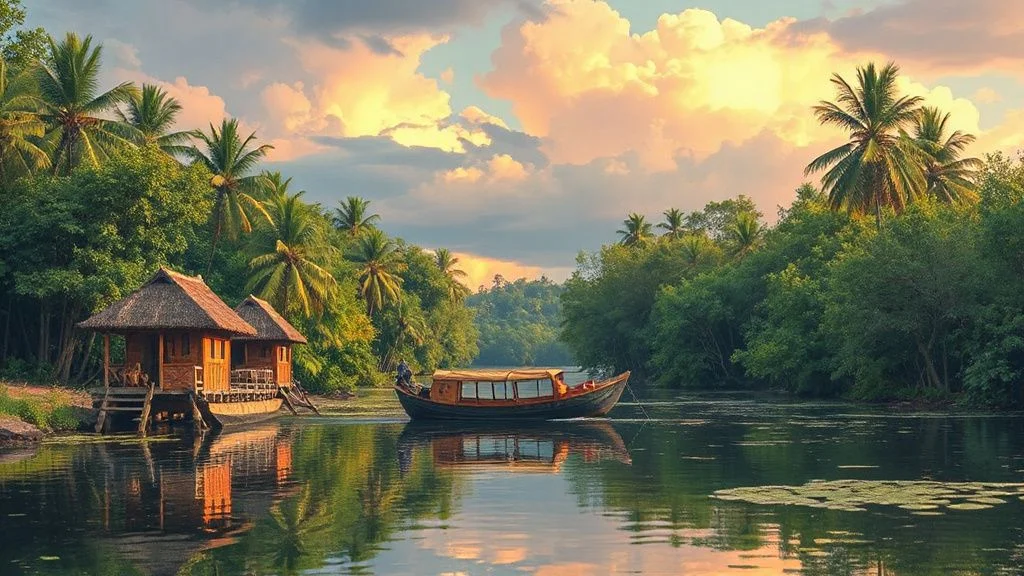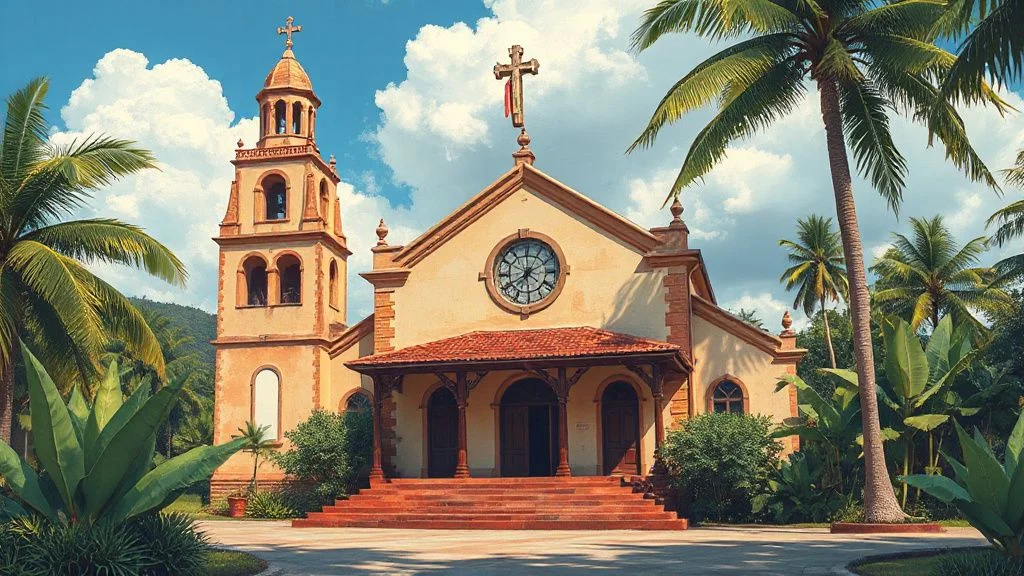
Jodensavanne is one of the most fascinating historical sites in Suriname, with a rich background going back to the 17th century. This former settlement of Sephardic Jews offers a view not only of colonial history but also of the country's cultural diversity. In this article we look at what makes Jodensavanne so remarkable, which periods are most suitable for a visit, and offer practical tips for your trip.
What is Jodensavanne?
Jodensavanne, on the bank of the Suriname River, was founded in the 1660s by Sephardic Jews fleeing the Inquisition in Europe and Brazil. This community grew into a flourishing plantation colony, mainly focused on sugar production. Its residents enjoyed religious freedom that was unheard of at the time and built synagogues, schools and even their own cemetery. That made Jodensavanne distinctive in the region, where many other communities were oppressed.
Jodensavanne was at its height until the end of the 18th century, when economic decline and internal conflict led many residents to leave for Paramaribo. The ruins of the various buildings, among them the Beracha VeSalom synagogue, are still visible today and offer a remarkable view of this community's history.
Why is Jodensavanne so Important?
Jodensavanne is not only an important historical site; it also symbolises Suriname's cultural diversity. It is a place where different religions and traditions came together and developed. The community was able to create a distinctive identity, combining elements of its Jewish heritage with local influences.
Today Jodensavanne is an important tourist attraction and a source of education about Jewish history in Suriname. Visitors can explore the remains of the synagogue, the cemetery and other historic buildings, which contributes to the preservation of this cultural legacy.
When Is the Best Time to Visit?
When planning a visit to Jodensavanne it is important to take Suriname's climate and seasons into account. The country has a tropical climate with a wet and a dry season. The best time to visit Jodensavanne is during the dry season, which runs from August to November and from February to April.
The dry season: the ideal time to visit
The dry season, with average temperatures between 27 and 32 degrees Celsius, offers the most pleasant conditions for a visit. In these months the chance of rain is considerably lower, which makes it easier to explore the ruins and join guided tours. This is also the period when many organised tours to Jodensavanne are offered from Paramaribo.
In these months the natural surroundings are at their finest, with green scenery that invites photography and learning. It is also a good time to explore the area's flora and fauna, with a chance of spotting various bird species and other wildlife.
The rainy season: challenges and opportunities
The rainy season, which runs from April to August, can be demanding for visitors. In these months rainfall can increase considerably, which leads to muddy paths and limited access to certain areas. The rainy season has its advantages nonetheless. Nature is at its greenest, and the waterfalls and rivers are often fuller, which makes for striking views.
If you plan to visit during the rainy season, make sure you bring suitable clothing and footwear. It is also advisable to plan your trip in advance, so that you can take advantage of the moments when the weather is better. Many local tour operators offer flexibility, so that you can fit your visit around the weather conditions.
Access and Transport
Jodensavanne lies about 50 kilometres south of Paramaribo, which makes it easy for visitors to reach. Most tourists choose to book an organised tour, which gives you the chance to learn more about the site's history from an expert guide.
If you prefer to travel independently, there are also options to rent a car or take a taxi. The roads are generally well maintained, but allow for possible traffic and weather conditions. Make sure you bring enough fuel and water, since facilities near Jodensavanne are limited.
Practical Tips for Visitors
Safety and Health
Although Suriname is generally safe for tourists, it is always good to be careful, particularly in remote areas. Take the usual safety precautions, such as not leaving valuables in view and travelling in groups, especially in the evening. Make sure you are also vaccinated against diseases such as dengue and malaria, which can occur in tropical areas.
It is also advisable to bring sunscreen, insect repellent and plenty of water on your visit to Jodensavanne. The sun can be intense, and staying hydrated is essential, particularly if you plan to walk or spend a long time outdoors.
Cultural Respect
When visiting Jodensavanne it is important to show respect for the cultural and historical significance of the place. Follow your guide's instructions and avoid disturbing the ruins or leaving waste behind. That helps not only to preserve the site but also to make for a positive experience for future visitors.
Conclusion
Jodensavanne is a distinctive destination that offers visitors a glimpse of Suriname's rich history and cultural diversity. The best time to visit is during the dry season, when conditions are ideal for exploring. Whether you choose an organised tour or set out on your own, make sure you are well prepared and take the necessary safety precautions. Enjoy your trip to this remarkable place full of history.