The Marowijne river is one of the most important waterways in Suriname and forms a natural border with French Guiana. The area is rich in biodiversity, culture and history. In this article we discover what you can find along the banks of the Marowijne, from traditional villages to fine natural surroundings and particular activities. Whether you are an adventurous traveller or simply interested in local culture, the Marowijne has something for everyone.
The Marowijne: An Important Waterway
The Marowijne river flows through the eastern part of Suriname. The river begins in the jungle and flows to the Atlantic Ocean, forming the border between Suriname and French Guiana along the way. That strategic position makes the river an important route for transport and trade.
Along the banks of the Marowijne you can discover a number of settlements, such as Albina, Moengo and Galibi. Albina is the capital of the district of Marowijne and serves as an important port for local people and travellers. Here you will find various restaurants and shops where you can buy local products, and it is also the gateway to a range of adventure tours into the interior.
Culture and History of the Region
Maroon Communities
One of the most fascinating aspects of the Marowijne are the Maroon communities living along its banks. These groups are descendants of escaped slaves who settled in the jungle. Their rich culture, traditions and history are still visible in the villages you can visit. You can learn more about their way of life, their crafts and their customs.
The Maroon communities are known for their music, their dance and their craft skills. During your visit you can join workshops where you can play traditional musical instruments or learn how to prepare local dishes. It is an unusual chance to experience the culture of Suriname at close hand.
Historic Places
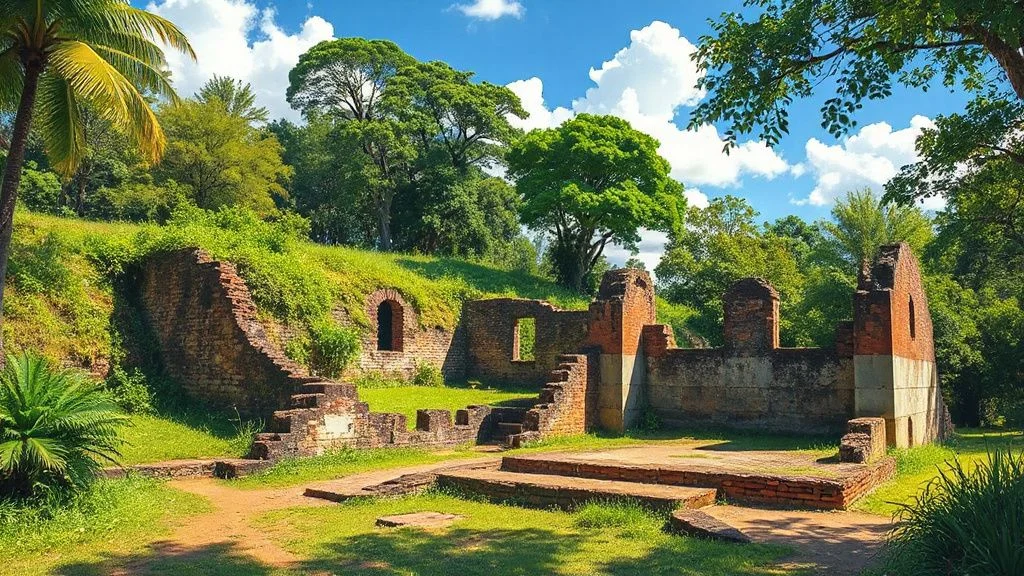
Besides the Maroon communities there are also various historic places along the Marowijne. One example is the former bauxite town of Moengo, which once flourished thanks to bauxite mining. Although mining activity has fallen away, there are still traces of the rich history of the area. You can visit the local museum, which sets out the history of the bauxite industry and the mark it left on the community.
In Albina there are also various historic sights that played an important part during the colonial period. These places offer a fine view over the Marowijne and are excellent spots for learning about the military history of Suriname.
Nature and Biodiversity
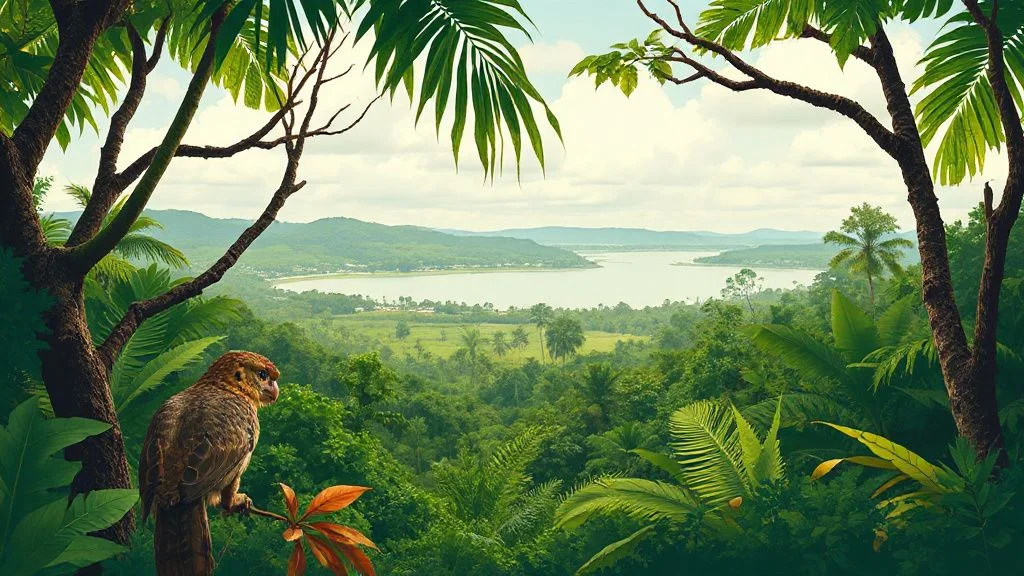
The banks of the Marowijne are surrounded by lush tropical rainforest, which contributes to the striking biodiversity of the area. The jungle holds any number of plant and animal species, among them rare birds, reptiles and mammals. For lovers of nature there are various possibilities for exploring the flora and fauna of the area.
Spotting Birds and Animals
One of the best ways to experience the biodiversity of the Marowijne is through birdwatching. The region is a paradise for birdwatchers, with a great variety of species, among them the fine toucan, parrots and various rare species. There are organised tours that take you to the best birdwatching spots, often led by local guides with thorough knowledge of the area.
Besides birds you can also spot other animals, such as monkeys, capybaras and perhaps even a jaguar, if you are lucky. These tours are often a combination of walking and boat trips, which gives you a full picture of the ecosystem.
Activities and Adventures
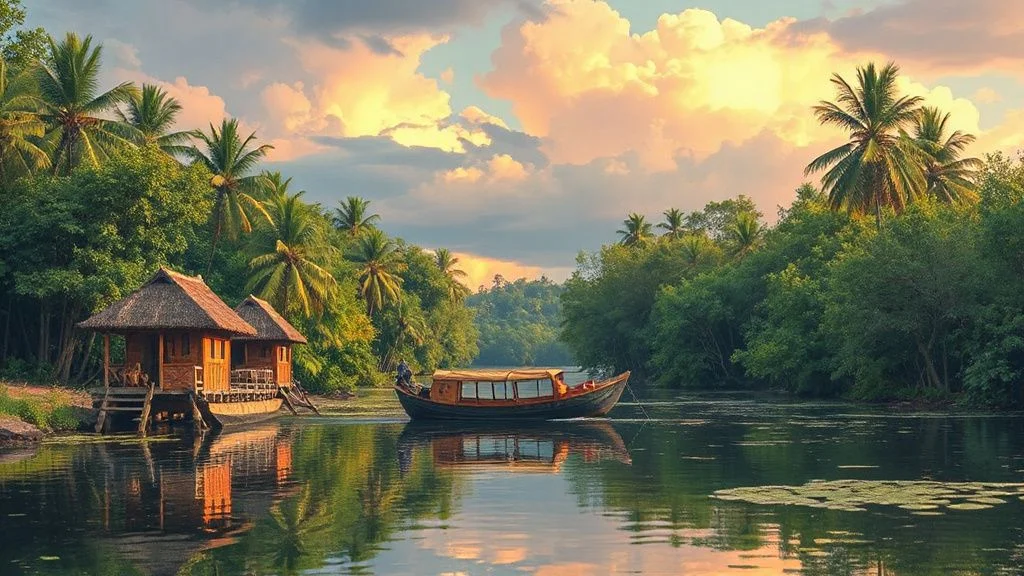
There are any number of adventurous activities to take up along the Marowijne. From canoeing and fishing to trekking in the jungle, there is something for everyone. One popular activity is a boat trip on the river, where you can enjoy views of the natural surroundings and of the local villages. During these trips you can also enjoy a refreshing dip in the clear water of the river.
For the adventurous traveller there are also expeditions of several days to book. These tours offer a thorough experience of the nature and culture of the region, with overnight stays in traditional villages and the chance to taste the local cooking.
Visiting Galibi
Galibi is one of the most popular destinations along the Marowijne, above all for its beach and its closeness to the sea. The village is famous for the yearly arrival of sea turtles, which lay their eggs here. You can join organised trips to watch these fine animals during their nesting period.
In Galibi you can also enjoy the local cooking, with fresh seafood and traditional dishes that reflect the local culture. Various places to eat offer local delicacies, where you can enjoy a meal with a view over the ocean.
Practical Tips for Travellers
If you are planning to explore the banks of the Marowijne, here are some practical tips to make your trip easier:
- Transport: The best way to reach the Marowijne is via Albina. Make sure you book in advance, above all in the high season.
- Accommodation: In Albina there are various accommodation options, from simple hostels to hotels. It is advisable to book your accommodation in advance, above all in the tourist season.
- Guides: Consider hiring a local guide for your tours. They have thorough knowledge of the area and can help you discover the best places.
- Weather conditions: The weather in Suriname is tropical, with an average temperature of 27-32°C. Take account of the seasons, so plan your trip carefully.
- Safety: Although most of the Marowijne is safe for tourists, it is always good to be careful, above all in remote areas. Follow the guidance of your guide and avoid travelling alone at night.
Conclusion
The Marowijne river and its banks offer a particular combination of culture, history and nature. Whether you are interested in the local communities, in the rich biodiversity or in adventurous activities, this region has something for everyone. With the right preparation and an open mind you can have a memorable time in this fine part of Suriname.
Primary Sources
Last updated: November 2026