The Marowijne is one of the largest rivers in Suriname and plays a crucial part in the history, the culture and the economy of the country. This article explores the Marowijne and the places that grew up along this important waterway. From its ecological diversity to the local communities, we offer a thorough look at everything the river has to offer.
The Marowijne: An Overview
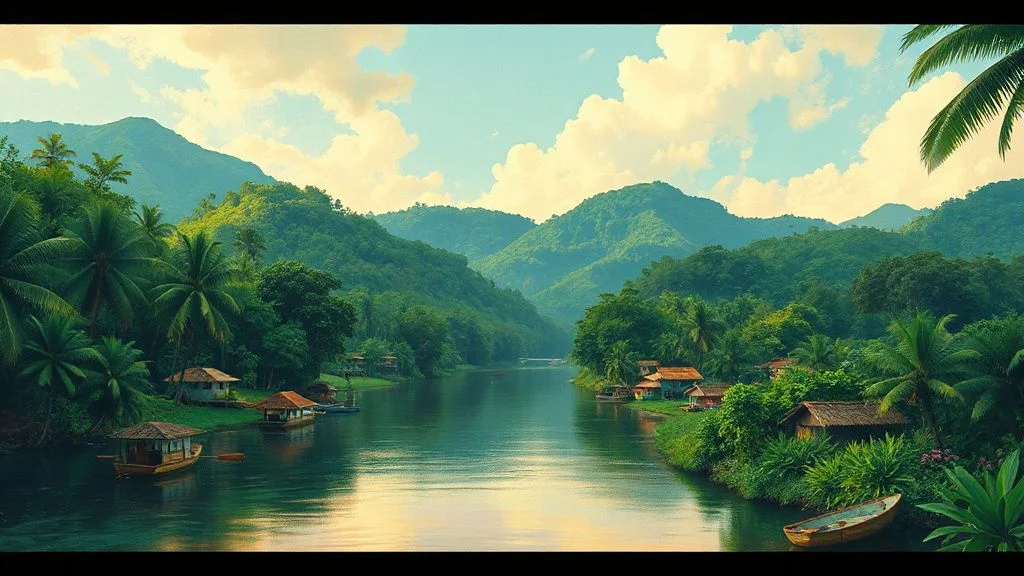
The Marowijne river, also known as the Maroni on the French side, forms a large part of the border between Suriname and French Guiana. The river system rises deep in the Guiana Shield and eventually flows out into the Atlantic Ocean. At a length of some 610 kilometres, including its upper reaches, the Marowijne is not only an important natural resource but a lifeline for the communities along its banks.
The river has an average discharge of about 1,780 cubic metres of water per second on the Surinamese side, which contributes to its standing as one of the largest rivers of the Guianas. The diversity of ecosystems in its basin, from clear forest creeks to broad sandy stretches, makes it an attractive area for biodiversity and for recreation alike.
Important Places Along the Marowijne
Albina
Albina is an important town on the Surinamese side of the Marowijne. It serves as a gateway to French Guiana and is a crucial junction for trade and transport. The town is known for its lively markets and its cultural diversity, where various ethnic groups come together. Albina also offers various possibilities for tourists, among them boat trips on the Marowijne.
The town is easily reached by car from Paramaribo, a journey of some three to four hours. Visitors can enjoy local dishes at various places to eat and experience the particular atmosphere of the town, shaped by Surinamese and French culture alike.
Saint-Laurent-du-Maroni
Directly across the river lies Saint-Laurent-du-Maroni, a French town that also plays an important part in the regional economy. The town is known for its historic architecture and offers a view of the colonial history of the region. Visitors can explore the old prison complex, now a museum, and learn more about the history of penal transportation in France.
The link between Albina and Saint-Laurent-du-Maroni is straightforward, with ferries crossing the river regularly. That makes it easy for travellers to explore both sides of the Marowijne and to enjoy the cultural diversity each town offers.
Ecology and Biodiversity of the Marowijne
The Marowijne is surrounded by a rich biodiversity, holding a variety of flora and fauna. The river and its tributaries are home to various fish species, among them cichlids and electric fish. The various ecosystems along the banks also shelter a range of other animals, among them birds and mammals.
The ecological value of the Marowijne matters not only for the natural world but for the local communities who depend on the river for their livelihood. Many people in the region fish and use the river as a means of transport, which contributes to their cultural identity.
Climate and Seasonal Considerations
The climate around the Marowijne is tropical, with average temperatures between 27-32°C. The year has two rainy seasons and two dry seasons: the long rainy season runs roughly from April to August and the long dry season from August to December, with a shorter rainy season and a shorter dry season between them around the turn of the year. These seasonal changes affect the water level of the river, which matters for the local flora and fauna and for the communities living along the banks alike.
During the rains the water level can rise considerably, which creates new habitats for fish and other animals. That also has consequences for how easily the villages along the Marowijne can be reached, since some parts may end up under water. Visitors should take account of these seasonal changes in planning their trip.
Practical Tips for Visitors
For travellers wanting to explore the Marowijne and the areas around it, there are some important considerations:
- Transport: Make sure you are flexible in your schedule, since the roads in the region can at times be unpredictable. Local taxis and buses are available, but for more remote areas hiring a car is advisable.
- Safety: Although it is generally safe to visit the Marowijne, it matters to be aware of your surroundings and to respect local customs. Consult local residents for advice about safe areas and activities.
- Cultural respect: The villages along the river often have particular cultural traditions. Try to respect these by joining local festivities and by learning about the history and customs of the community.
Conclusion
The Marowijne is more than a river; it is a lifeline for the communities that grew up along its banks. From the bustling markets of Albina to the historic charm of Saint-Laurent-du-Maroni, this region offers a wealth of culture, history and ecological wonders. For travellers the Marowijne offers an unusual chance to experience the rich diversity of Suriname.
Primary Sources
Last updated: November 2026