The Central Suriname Nature Reserve, a UNESCO World Heritage Site, is one of the most remarkable natural areas in South America. Spanning over 1.6 million hectares, this pristine rainforest is home to an astonishing variety of wildlife and plant species. Planning a trip to this remote paradise requires careful preparation and understanding of its unique geography, biodiversity, and logistical considerations. This article will guide you through essential aspects of planning your journey into the heart of Suriname's rainforest.
Understanding the Reserve's Geography and Biodiversity
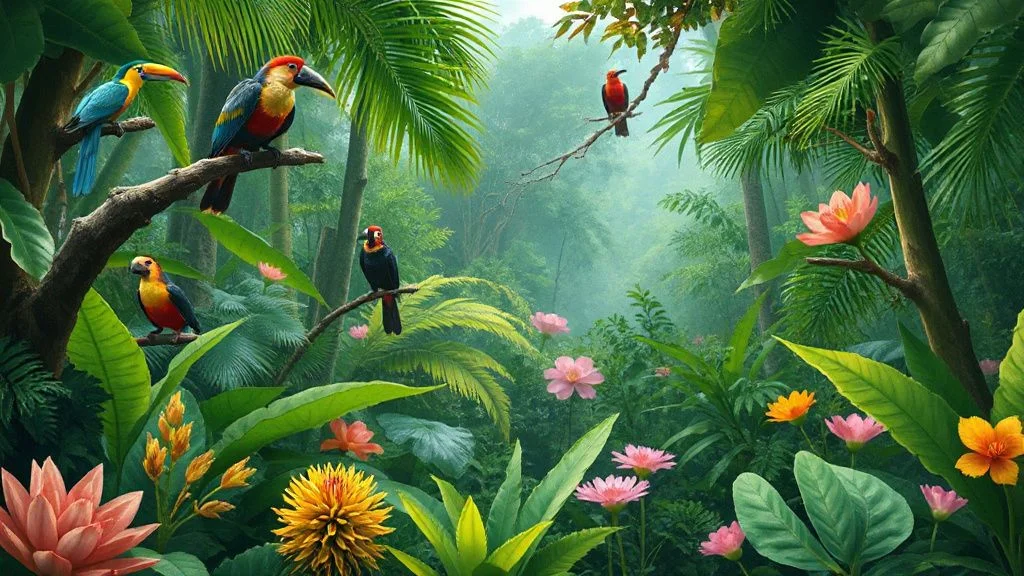
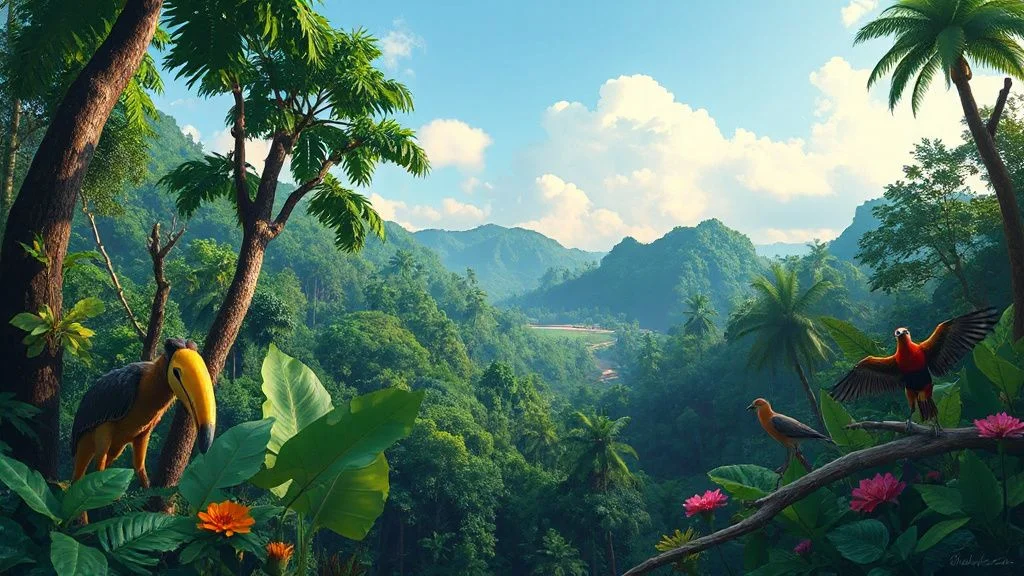
Located in the west-central region of Suriname, the Central Suriname Nature Reserve is not only vast but also incredibly diverse in its ecosystems. The reserve encompasses a range of terrains, including montane and lowland forests, rivers, and wetlands. This geographical diversity contributes to the high level of biodiversity found within the reserve. More than 5,000 vascular plant species, 400 bird species, and numerous mammals, including jaguars, giant river otters, and various primates, inhabit this lush environment.
The reserve plays a critical role in protecting the upper watersheds of several major rivers, such as the Coppename, Lucie, and Saramacca, ensuring the health of the region’s ecosystems. As a visitor, you will witness the unspoiled beauty of tropical rainforest, encounter wildlife in their natural habitats, and may even have the opportunity to engage in research activities alongside scientists dedicated to conservation efforts.
Best Time to Visit
Suriname experiences a tropical climate, characterized by high humidity and temperatures that are typical for such regions. The country has two main seasons: the rainy season and the dry season. The dry season is typically considered the best time for visits, as trails are more accessible and wildlife is more likely to be seen.
However, visiting during the rainy season can also be rewarding, as the rainforest is lush and vibrant, and some wildlife, such as migratory birds, may be more active. Regardless of when you choose to visit, prepare for sudden rain showers, particularly in the rainforest interior.
Getting to the Central Suriname Nature Reserve
The journey to the Central Suriname Nature Reserve generally begins in Paramaribo, the capital city of Suriname. To reach the reserve, you will typically need to book a tour with a local operator, as access is usually through organized expeditions. These tours often include transportation, accommodation, and guided activities, ensuring a comprehensive experience.
Several operators in Paramaribo specialize in rainforest tours, providing packages that can include various activities such as guided hikes, birdwatching, canoeing, and cultural experiences. It's advisable to research and compare different tour providers to find one that aligns with your preferences and budget. Look for reviews and testimonials to ensure you choose a reputable operator.
Transportation Options
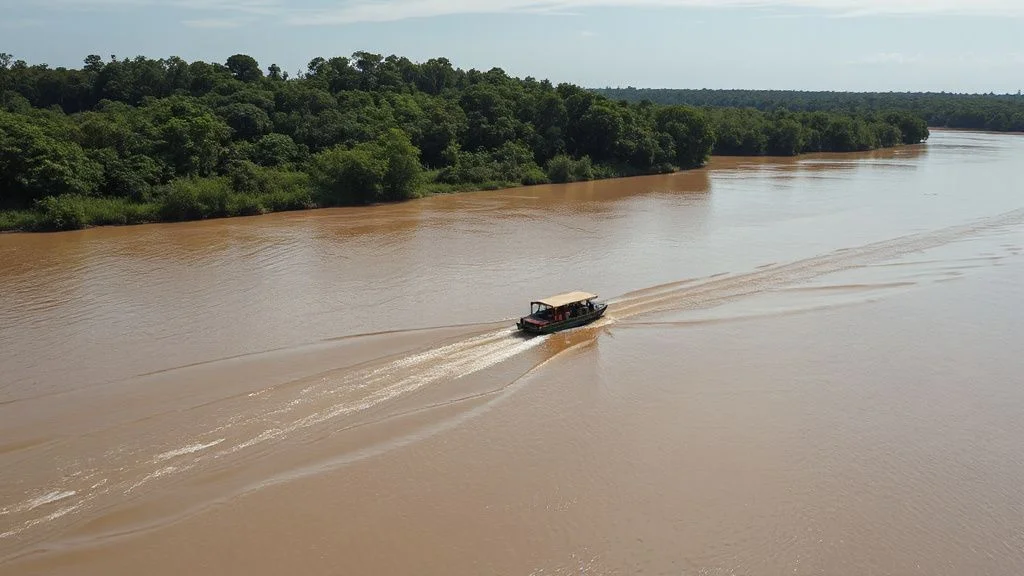
While some tours include transportation to and from the reserve, others may require you to arrange transfers. A common mode of transportation is by boat, which adds to the adventure of entering the rainforest. Depending on your selected tour, you may take a boat along the Coppename River, providing stunning views of the surrounding landscapes as you approach your destination.
For those preferring a more independent journey, renting a car in Paramaribo is an option. However, keep in mind that road access to the reserve can be limited, and a 4x4 vehicle may be necessary for navigating rough terrain. Ensure you have a reliable map or GPS device, as road signage can be sparse in rural areas.
Accommodations within the Reserve
Accommodations in the Central Suriname Nature Reserve are primarily eco-lodges and camps, offering a unique opportunity to immerse yourself in the rainforest. Many lodges are strategically located to provide easy access to hiking trails and wildlife observation areas. Facilities vary, but most focus on sustainability and minimal environmental impact.
Consider booking accommodations in advance, especially during peak tourist seasons. Some popular eco-lodges might include basic amenities such as sleeping huts, shared bathrooms, and communal dining areas serving local cuisine. Staying in these lodges not only supports conservation efforts but also connects you with the local community and other travelers.
Activities to Experience in the Reserve
The Central Suriname Nature Reserve offers a plethora of activities for nature enthusiasts. Hiking is one of the primary ways to explore the rainforest, with trails ranging from easy walks to more challenging treks. Guided hikes provide insight into the flora and fauna of the area, allowing you to learn about medicinal plants, unique ecosystems, and wildlife tracking.
Birdwatching is another popular activity, as the reserve is home to a significant number of bird species, including the elusive harpy eagle and vibrant scarlet macaws. Bring binoculars and a field guide to enhance your experience and maximize your chances of spotting these stunning creatures. Early morning and late afternoon are the best times for birdwatching, as this is when birds are most active.
Canoeing and kayaking through the reserve’s rivers and wetlands offer a different perspective of the rainforest. Paddling along the waterways allows you to observe wildlife from the water and appreciate the tranquility of the environment. Some tours may include canoeing as part of their itinerary, while others may offer it as an optional activity.
Safety Considerations and Health Precautions
While visiting the Central Suriname Nature Reserve can be a thrilling adventure, it's essential to prioritize safety and health. First and foremost, ensure you are adequately prepared for the rainforest environment. Bring appropriate gear, including sturdy hiking boots, lightweight clothing, insect repellent, and a good-quality rain jacket.
Health precautions are also vital. Consult your doctor about necessary vaccinations before traveling to Suriname, as diseases such as yellow fever and malaria are present in the region. Carry a basic first aid kit, including any personal medications you may need. If you are traveling during the rainy season, be aware of the potential for flooding in certain areas, and always follow your guide's instructions.
What Expats Should Know
For those traveling from abroad, understanding local customs and cultural practices can enhance your experience. Suriname is known for its diverse population, with a rich tapestry of cultures, including Indigenous, Hindu, and Creole influences. Engaging with local communities can provide insight into their traditions and way of life.
It’s also crucial to respect the natural environment during your visit. Follow guidelines provided by your tour operator, such as sticking to marked trails and not disturbing wildlife. Leave no trace practices should be adhered to, ensuring that the stunning landscapes remain unspoiled for future visitors.
Conclusion
Planning a trip to the Central Suriname Nature Reserve promises an unforgettable adventure in one of the world's most biodiverse ecosystems. By understanding the geography, logistics, and activities available, you can prepare for a rewarding experience that connects you with nature and the rich cultural heritage of Suriname. Whether you’re hiking through the rainforest, observing unique wildlife, or immersing yourself in local traditions, the Central Suriname Nature Reserve offers a journey unlike any other.