
Suriname is a hidden gem for birdwatchers and wildlife enthusiasts, offering a rich tapestry of biodiversity. This article explores three of the most captivating locations in Suriname for birdwatching and wildlife spotting: Brownsberg Nature Park, Bigi Pan, and the Central Suriname Nature Reserve. You'll learn about the unique ecosystems, the best times to visit, and practical tips for making the most of your experience.
Brownsberg Nature Park
Brownsberg Nature Park is an accessible destination for birdwatchers, situated on a plateau that offers stunning views of the surrounding rainforest and the Brokopondo Reservoir. It features a variety of habitats, including lowland rainforest, montane forest, and open savanna, which are home to a diverse range of bird species. Here, you can spot rare birds along with numerous hummingbirds and tanagers.
The park is accessible by car, and guided tours are available for those who prefer a more structured experience. Local guides are knowledgeable about the area and can enhance your visit with insights about the flora and fauna. Safety is generally not an issue, but it’s advisable to travel in groups and adhere to park regulations.
Accessibility and Transport
To reach Brownsberg, you can rent a car in Paramaribo. The journey involves a well-maintained road leading to the park entrance. Alternatively, several tour operators offer day trips that include transportation, meals, and guided tours. It’s essential to book these tours in advance, particularly during peak seasons.
What to Bring
When visiting Brownsberg, pack essentials such as binoculars for birdwatching, a camera for photography, insect repellent, and comfortable walking shoes. Lightweight, breathable clothing is recommended due to the warm tropical climate. Bring a refillable water bottle to stay hydrated as you explore the trails.
Bigi Pan
Bigi Pan is a vast wetland area located in the northwest region of Suriname. This area is renowned for its rich avifauna, particularly migratory and resident waterfowl. Birdwatchers can expect to see a variety of species, including various species of herons and ducks. The wetlands are also home to unique mammals, reptiles, and amphibians, making it a perfect location for wildlife spotting.
The best time to visit Bigi Pan is during the dry season, when the water levels decrease, concentrating the birds in smaller areas, making them easier to observe. Birdwatching tours are available, and local guides can help you navigate the wetlands and provide insights into the diverse ecosystem.
Guided Tours and Local Services
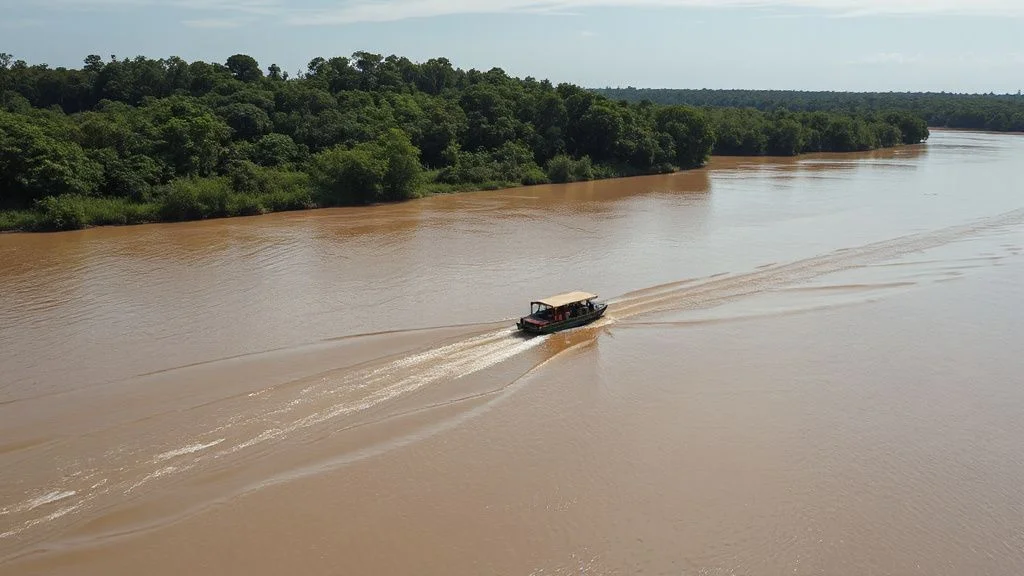
For those interested in guided tours, several local providers offer boat trips through the wetlands. These tours typically last several hours and include opportunities for birdwatching, fishing, and exploring the unique landscape. Verify with local providers for current pricing and availability, as these can fluctuate based on demand and season.
Wildlife Safety Considerations
As you explore Bigi Pan, be aware of your surroundings, especially in remote areas. Avoid approaching wild animals too closely, as they may react unpredictably. Staying with your group and following your guide's instructions will ensure a safe and enjoyable experience.
Central Suriname Nature Reserve
The Central Suriname Nature Reserve is a UNESCO World Heritage site, encompassing a vast area of pristine rainforest. This reserve is one of the largest protected areas in South America and is known for its incredible biodiversity, including a wide variety of bird species. The reserve is also home to countless mammals, reptiles, and amphibians, making it a paradise for wildlife photographers.
Accessing the Central Suriname Nature Reserve typically requires more planning than the other locations. You can arrange transportation into the reserve from nearby towns. Many visitors opt for multi-day guided tours that provide accommodations and meals, allowing for a more immersive experience.
Getting There and Staying Safe
Traveling to the Central Suriname Nature Reserve involves a combination of road and boat transport. From Paramaribo, you can rent a vehicle to reach the nearest town, followed by a boat ride into the reserve. Safety is generally good, but it’s wise to inform someone of your travel plans and expected return time. Additionally, consider hiring a guide familiar with the terrain and wildlife.
What to Pack for Your Adventure
When visiting the reserve, bring essentials such as a first-aid kit, sufficient water, snacks, and a sturdy backpack. Due to the moist environment, waterproof gear is advisable, as well as insect repellent to protect against mosquitoes. A good pair of binoculars and a camera will enhance your wildlife spotting experience.
Practical Tips for Birdwatching in Suriname
Whether you are an experienced birdwatcher or a casual nature enthusiast, these practical tips can help enhance your experience in Suriname:
- Research Local Guides: Engaging with local guides can significantly improve your birdwatching experience. They are knowledgeable about the best spots and can help identify bird species.
- Opt for Early Mornings: Bird activity peaks in the early morning hours. Plan your outings to start at dawn when the birds are most active.
- Be Patient and Quiet: Wildlife spotting requires patience. Move quietly and be prepared to wait for birds to appear.
- Respect Nature: Always follow local guidelines regarding wildlife. Avoid disturbing animals and their habitats.
- Stay Hydrated and Sun-Protected: The tropical climate can be intense, so remember to drink plenty of water and wear sunscreen.
In conclusion, Suriname offers some of the best birdwatching and wildlife spotting opportunities in South America. From the breathtaking views at Brownsberg Nature Park to the unique wetlands of Bigi Pan and the expansive Central Suriname Nature Reserve, nature lovers will find abundant experiences to treasure. Plan your visit wisely, respect the natural environment, and enjoy the rich biodiversity that Suriname has to offer.