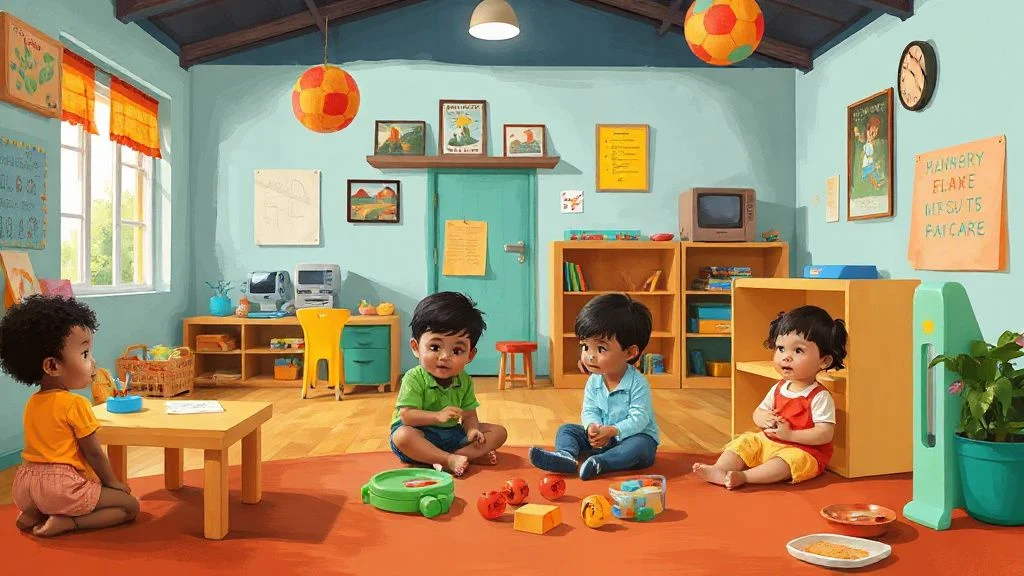
Choosing a daycare for your toddler is a significant decision that can impact your child's development and your peace of mind. In Suriname, where family values and community play a crucial role, selecting a trustworthy daycare provider is essential. This article outlines the guarantees that a daycare should provide, helping you make an informed choice for your little one.
Safety and Security Guarantees
One of the primary concerns for any parent is the safety of their child. A reputable daycare should guarantee a safe environment, which includes several key aspects. First, the facility should be child-proofed, with secure furniture, covered electrical outlets, and safe play areas. Look for daycares that have a clear safety policy, detailing how they handle emergencies, including fire drills and natural disasters.
Additionally, the daycare should have a secure entry and exit system. This might include locked doors that only staff can access or a sign-in/sign-out procedure for parents. In Suriname, where community ties are strong, it's common for daycares to have a policy where only authorized individuals can pick up your child. Ensure that the daycare provides a written policy on who is allowed to collect your child, which can help prevent any misunderstandings.
Qualified and Caring Staff
The quality of caregivers is another critical factor. A daycare should guarantee that all staff members are qualified and trained in early childhood education. This includes having certifications in child development, first aid, and CPR. In Suriname, many local providers emphasize the importance of hiring staff who are not only trained but also passionate about working with children. Ask about the staff-to-child ratio, as a lower ratio typically means more individualized attention for your toddler.
Furthermore, observe how the staff interacts with the children during your visit. Caring and attentive staff will engage with toddlers through play, encouraging their development and ensuring they feel secure. Look for daycares that promote a nurturing environment, where caregivers are responsive to the needs of each child. This personal connection can significantly impact your child's emotional well-being.
Curriculum and Developmental Guarantees
A quality daycare should offer a structured curriculum that promotes the physical, emotional, and cognitive development of toddlers. In Suriname, many daycares incorporate local culture and language into their programs, providing a rich learning experience. Ask about the educational philosophy of the daycare and how they plan to foster your child's growth.
Daycares should guarantee that their curriculum is age-appropriate and includes a variety of activities. This can range from arts and crafts to outdoor play, music, and basic literacy skills. Look for programs that encourage exploration and creativity, as these are vital for a toddler's development. Additionally, inquire about how the daycare assesses developmental milestones and communicates this information to parents.
Health and Nutrition Standards
Another crucial aspect of daycare guarantees is health and nutrition. A reputable daycare should provide healthy meals and snacks, ensuring that your child receives proper nutrition throughout the day. In Suriname, where local cuisine can be diverse, many daycares aim to incorporate traditional foods into their meal plans. Ask about the daycare's food policy and whether they can accommodate dietary restrictions or allergies.
Moreover, the daycare should have clear health policies in place. This includes protocols for illness, such as when a child should stay home and how the daycare handles sick children. Inquire about their cleaning and sanitation practices, especially in light of recent global health concerns. A daycare that prioritizes hygiene will help keep your child healthy and safe.
Parent Communication and Involvement
Effective communication between parents and daycare providers is essential for a successful partnership. A good daycare should guarantee regular updates on your child's progress and daily activities. This can include daily reports, newsletters, or parent-teacher meetings. In Suriname, many daycares encourage parental involvement through events and activities, fostering a sense of community.
Ask about how the daycare communicates with parents. Some facilities may use apps or online platforms to share updates and photos, while others may rely on traditional methods like phone calls or in-person meetings. Ensure that the daycare is open to feedback and questions, as this will help build a trusting relationship.
Flexibility and Availability
Daycare hours and flexibility can significantly impact your family's routine. A daycare should guarantee that their hours align with your needs, whether you require full-time care or part-time options. In Suriname, many working parents appreciate daycares that offer extended hours or flexible scheduling to accommodate varying work commitments.
Additionally, inquire about the daycare's policy on holidays and closures. Some facilities may close for local holidays or have specific vacation periods, which can affect your childcare plans. Understanding these policies upfront will help you plan accordingly and avoid any surprises.
Practical Tips for Choosing a Daycare
When selecting a daycare in Suriname, consider visiting multiple facilities to compare their offerings. Take note of the environment, staff interactions, and overall atmosphere. Bring your child along to see how they respond to the space and caregivers. Their comfort level can be a significant indicator of whether the daycare is a good fit.
Additionally, don't hesitate to ask for references from other parents. Hearing about their experiences can provide valuable insights into the daycare's strengths and weaknesses. Look for online reviews or community forums where parents share their thoughts on local daycares. This can help you gather information from a broader perspective.
What Expats Should Know
For expatriates living in Suriname, understanding local customs and practices regarding childcare is essential. Daycares may have different cultural approaches to education and care, so being open to these differences can enhance your experience. Many local providers incorporate elements of Surinamese culture into their programs, which can be a wonderful opportunity for your child to learn about their surroundings.
Language can also be a factor, as many daycares may conduct activities in both Dutch and Sranan Tongo. If you are not fluent in these languages, consider how this may affect your child's experience and communication with caregivers. Some daycares may offer bilingual programs, which can be beneficial for your child's language development.
In conclusion, selecting a daycare for your toddler involves careful consideration of various guarantees that ensure safety, quality care, and effective communication. By focusing on safety protocols, staff qualifications, curriculum quality, health standards, and parent involvement, you can make an informed decision that aligns with your family's needs. Remember to trust your instincts and prioritize your child's comfort and happiness in the daycare environment.