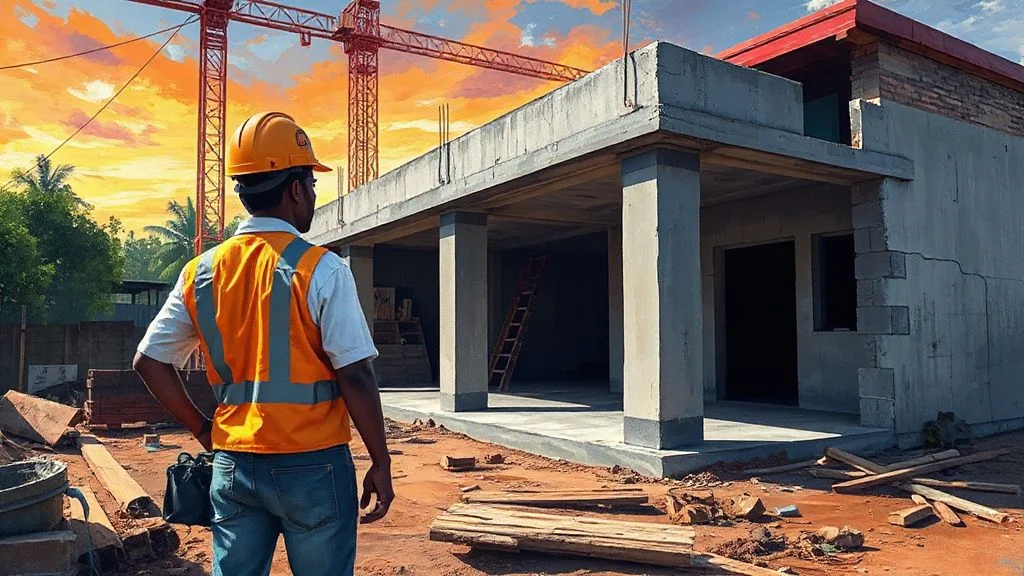
Building an extension in concrete is a significant investment, and having the right contracts in place is crucial for both contractors and clients. This article outlines the essential contracts that contractors should secure when undertaking a concrete extension project, ensuring clarity, compliance, and protection for all parties involved.
Understanding the Importance of Contracts
Contracts serve as the backbone of any construction project, providing a legal framework that outlines the responsibilities and expectations of all parties. For contractors, having a well-drafted contract is essential to mitigate risks, avoid disputes, and ensure that the project runs smoothly. Contracts not only protect the contractor’s interests but also provide clients with peace of mind, knowing that their investment is safeguarded.
Understanding the local legal requirements and best practices for contracts is vital. This knowledge helps contractors navigate the complexities of construction law and maintain a good reputation in the industry.
Types of Contracts Needed for Concrete Extensions
1. Construction Agreement
The construction agreement is the primary contract that outlines the scope of work, project timeline, payment terms, and responsibilities of both the contractor and the client. This document should detail the specific tasks involved in the concrete extension, including excavation, foundation work, and finishing touches. It’s important for contractors to ensure that this agreement is comprehensive to avoid any misunderstandings during the project.
Additionally, the construction agreement should specify the materials to be used, the standards to be met, and any warranties offered. This clarity helps prevent disputes over quality and ensures that both parties are aligned on expectations.
2. Subcontractor Agreements
In many cases, contractors will hire subcontractors to handle specific tasks, such as plumbing or electrical work. Subcontractor agreements are essential to outline the terms of engagement with these third parties. These contracts should include details about the scope of work, payment schedules, and timelines, ensuring that subcontractors understand their responsibilities and deadlines.
By having clear subcontractor agreements, contractors can maintain control over the project and ensure that all aspects of the concrete extension are completed to the required standards. This is particularly important in a collaborative environment where multiple trades are involved.
Legal Compliance and Permits
Before commencing any construction work, contractors must ensure that they have obtained the necessary permits and comply with local building regulations. This may involve submitting plans to local authorities and obtaining approval before work begins. The construction agreement should include a clause stating that the contractor is responsible for securing all required permits and adhering to local laws.
Failure to comply with legal requirements can lead to significant delays, fines, and even the halting of the project. Therefore, contractors should familiarize themselves with local building codes and regulations to avoid potential legal issues.
Insurance and Liability Clauses
Insurance is a critical component of any construction contract. Contractors should ensure that they have adequate liability insurance to cover any accidents or damages that may occur during the project. The construction agreement should include provisions that specify the types of insurance required, such as general liability and workers' compensation.
Including liability clauses in the contract protects both the contractor and the client in the event of unforeseen circumstances. This not only safeguards the contractor’s financial interests but also reassures clients that they are protected against potential risks associated with construction work.
Dispute Resolution Mechanisms
Despite best efforts, disputes can arise during construction projects. Therefore, it is essential to include a dispute resolution clause in the contract. This clause should outline the steps to be taken in the event of a disagreement, such as mediation or arbitration, before resorting to litigation.
Having a clear process for resolving disputes helps maintain a professional relationship between the contractor and the client, minimizing the impact of conflicts on the project timeline and budget. It is advisable for contractors to discuss these mechanisms with clients upfront to ensure mutual understanding and agreement.
Practical Tips for Contractors
For contractors working on concrete extensions, here are some practical tips to keep in mind:
- Consult with Legal Experts: Engaging a lawyer familiar with construction law can help ensure that contracts are compliant and protect your interests.
- Maintain Open Communication: Regularly update clients on project progress and any potential issues to foster trust and transparency.
- Document Everything: Keep detailed records of all communications, agreements, and changes to the project scope to protect yourself in case of disputes.
- Review Contracts Thoroughly: Before signing, ensure that all terms are clear and that you understand your obligations and rights.
Conclusion
Having the right contracts in place is essential for contractors building concrete extensions. From construction agreements to subcontractor contracts and insurance provisions, each element plays a vital role in ensuring a successful project. By understanding the legal landscape and implementing best practices, contractors can protect their interests and deliver quality work that meets client expectations.
Last updated: November 2026