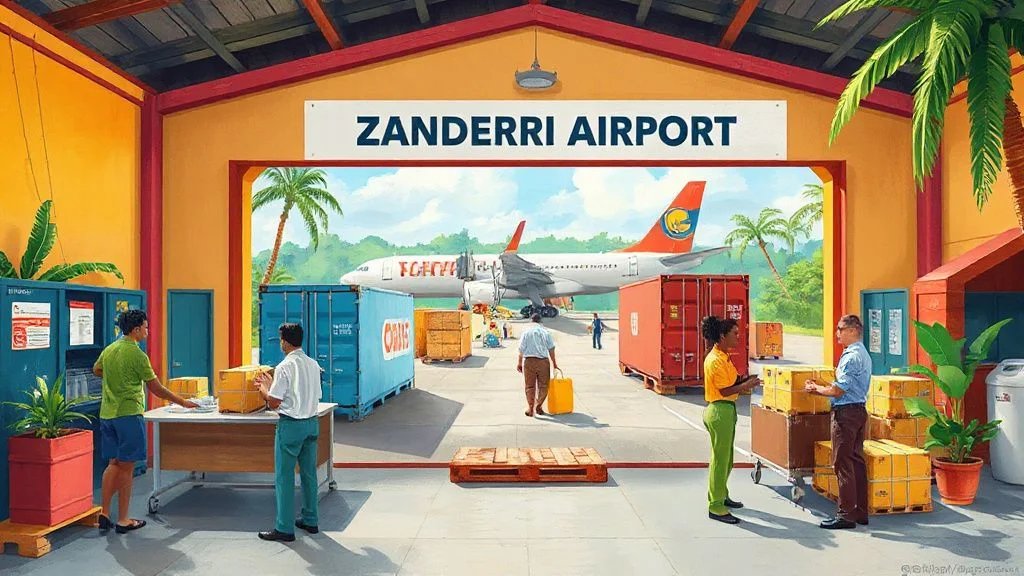
When shipping goods into Suriname, understanding the customs clearance process at Zanderij Airport's cargo terminal is essential for a hassle-free experience. This guide will help you navigate the agreements you need to make with customs agents, ensuring that your cargo is processed efficiently and in compliance with Surinamese law.
Understanding the Role of Customs Agents
Customs agents at Zanderij Airport play a crucial role in the clearance of cargo shipments. They are responsible for ensuring that all imported goods comply with Surinamese laws and regulations. When you arrive at the cargo terminal, you will typically need to engage with a customs agent to facilitate the clearance process. This engagement involves several key agreements that can significantly impact the speed and efficiency of your cargo release.
Choosing Between Self-Clearance and Using a Broker
One of the first decisions you will need to make is whether to handle the customs clearance yourself or to hire a customs broker. If you choose to go the self-clearance route, you will need to agree with the customs agent on the necessary documentation and procedures to follow. This typically includes providing a packing list, commercial invoice, and any required health or safety certificates.
On the other hand, if you opt for a customs broker, you will need to agree on their fees and the scope of services they will provide. Brokers can simplify the process, especially for first-time importers, by handling all interactions with customs agents on your behalf. Ensure you understand their fee structure, which may vary depending on the complexity of your shipment.
Key Documentation Requirements
Regardless of whether you choose self-clearance or a broker, you must prepare specific documents to present to the customs agent. These documents are vital for ensuring that your cargo complies with Surinamese regulations. During your initial discussions with the customs agent, clarify which documents are necessary for your specific shipment.
Essential Documents to Prepare
- Packing List: This document should detail the contents of your shipment, including item descriptions, quantities, and weights. Make sure it matches the actual cargo to avoid discrepancies that could lead to delays.
- Commercial Invoice: If you are importing commercial goods, a commercial invoice is mandatory. This document should outline the value of the goods and confirm the transaction between you and the seller.
- Health Certificates: Depending on the nature of your cargo, you may need specific health or safety certificates, especially for food products. Discuss these requirements with the customs agent to ensure compliance.
- Customs Document (EXA/T1): This customs declaration form is crucial for your shipment's clearance. It provides customs officials with all relevant details about your cargo.
Agreeing on Duties and Fees
Another critical aspect of your agreement with the customs agent involves understanding and agreeing on any applicable duties and fees. Customs duties in Suriname can vary significantly based on the type and value of the goods being imported. During your discussions, ask the customs agent to clarify the duty rates that will apply to your shipment.
Understanding Import Duties
Which duty applies depends on the tariff classification of the goods, and this article reproduces no rate for it. VAT is charged on imports under the Wet BTW 2022 (S.B. 2022 no. 121); the standard rate is 10 percent, but that law also sets 5 percent and 25 percent rates for goods listed in its annexes, so one shipment can carry more than one rate. Ask the customs agent which annex your goods fall under before you budget. It's essential to have a clear understanding of these costs before your cargo arrives to avoid unexpected expenses. The customs agent can provide guidance on how these duties are calculated and any additional fees that may apply.
Timing and Collection Procedures
Timing is another critical factor to discuss with the customs agent. The customs office at Zanderij Airport operates during standard business hours, and it is advisable to collect your shipment as soon as possible after its arrival to avoid incurring storage fees. During your agreement discussions, clarify the expected timeline for clearance and collection of your cargo.
Collection Process and Identification
When you arrive to collect your shipment, you will need to present valid identification, such as your passport or residency card. Discuss with the customs agent any additional identification requirements they may have. Furthermore, ensure you understand the collection process, including where to go and what to expect upon arrival at the cargo terminal.
Practical Tips for Expatriates
Navigating the customs clearance process can be daunting, especially for newcomers unfamiliar with the rules that apply. Here are some practical tips to help you successfully engage with customs agents at Zanderij Airport:
Engage Early and Be Prepared
Start your engagement with customs agents as soon as your shipment is on its way. Having all necessary documents prepared and understanding the customs process will save you time and reduce stress. If you are unsure about any requirements, consider consulting with a customs broker who can provide expert guidance.
Stay Informed About Regulations
Customs regulations can change, so staying informed about the latest requirements is crucial. Regularly check with official sources or your customs broker to ensure you have the most up-to-date information regarding duties, fees, and documentation requirements.
Conclusion
Successfully navigating the customs clearance process at Zanderij Airport requires clear agreements with customs agents regarding documentation, duties, and collection procedures. By understanding these aspects and preparing adequately, you can ensure a smooth experience when importing goods into Suriname. Engaging with customs agents early and being well-informed will help you avoid potential pitfalls and streamline the clearance of your cargo.