When shipping goods to Suriname, understanding the role of freight forwarders and their licensing is crucial for ensuring a smooth customs clearance process. This article will explore whether freight forwarders clearing at Nieuwe Haven are licensed, the implications of this licensing, and practical advice for navigating the shipping landscape in Suriname.
Understanding Freight Forwarding in Suriname
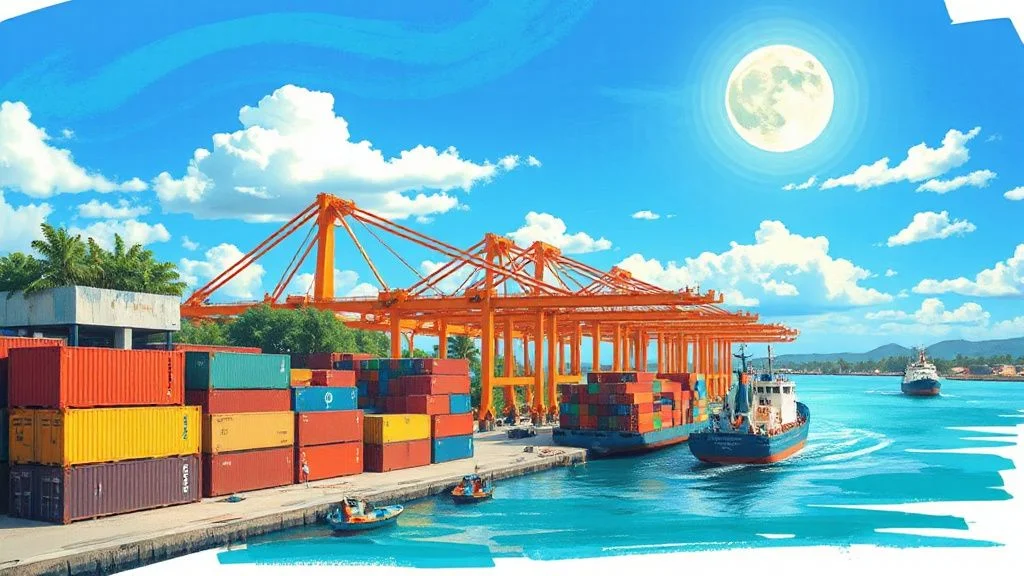
Freight forwarding is a vital service for businesses and individuals looking to import or export goods. In Suriname, the primary port for freight is the Nieuwe Haven, located in Paramaribo. This river port is essential for handling various cargo types, including consumer goods, machinery, and project cargo. However, the effectiveness of freight forwarding services largely depends on the licensing of the forwarders operating in this region.
What is a Freight Forwarder?
A freight forwarder acts as an intermediary between the shipper and various transportation services. They manage the logistics of shipping goods, including booking cargo space, preparing shipping documents, and ensuring compliance with local regulations. In Suriname, freight forwarders are particularly important due to the complexities of the customs process and the specific requirements for importing goods.
Licensing Requirements for Freight Forwarders
Yes, and the regime has a name, which is more than most guidance on this subject offers. The person who files a customs declaration on your behalf is a douane-expediteur, a customs forwarding agent, and admission to that role is assessed by a commission for the admission of customs forwarding agents operating under the Ministry of Finance and Planning. Admission is not a formality: in the round whose information session was held on 11 January 2023, the government information service reported 432 applications of which 81 people were admitted. There is also a practical test you can apply yourself, which is worth more than asking to see a certificate. Customs declarations run through ASYCUDA World, and the user registration form of the tax administration treats douane-expediteur as a registration category whose applicant must meet the licence and function requirements attached to it. An agent who can file for you in that system has been admitted; one who has to route your declaration through somebody else has not. What this article cannot give you is the published rulebook of that commission or the statutory provision it sits on, which are not available in any public summary, so treat the registration question as the one to ask the forwarder rather than a detail to skip. Earlier descriptions of this process as a review of business practices and financial stability describe no procedure anyone can check. What is checkable is the forwarder's business practices, financial stability, and understanding of customs regulations. It is essential to verify that your chosen freight forwarder is licensed to avoid potential delays or legal issues during the shipping process.
The Role of Customs Clearance at Nieuwe Haven
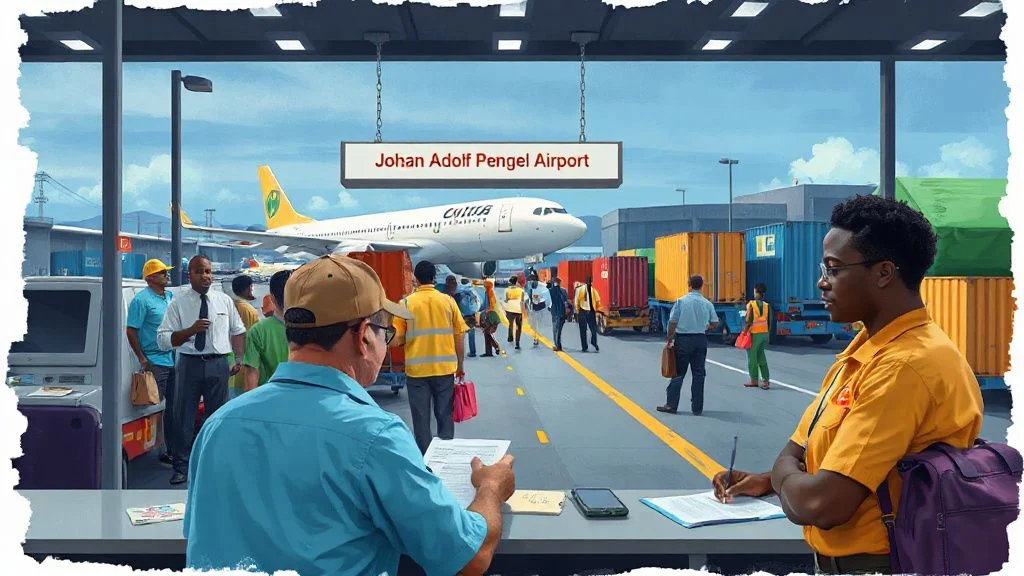
Customs clearance is a critical step in the shipping process, particularly at Nieuwe Haven. The customs authorities in Suriname require all shipments to be declared, and specific documentation must be submitted to facilitate this process. Licensed freight forwarders are typically well-versed in these requirements and can help ensure that all necessary paperwork is completed accurately and submitted on time.
Documentation Needed for Customs Clearance
When shipping goods to Suriname, several documents are required for customs clearance. These typically include:
- Commercial Invoice: This document provides a detailed description of the goods, their value, and the terms of sale.
- Packing List: This outlines the contents of each package, including weights and dimensions.
- Bill of Lading: A contract between the shipper and the carrier, this document serves as proof of shipment.
- Import License: Certain goods may require an import license, particularly those on the negative list.
Ensuring that all these documents are prepared correctly is essential, as any discrepancies can lead to delays or additional fees. A licensed freight forwarder can assist in gathering and verifying these documents.
Customs Duties and Taxes
In addition to the documentation, importers must be aware of the customs duties and taxes applicable to their shipments. Suriname's customs duties can range from 0% to 50%, depending on the type of goods being imported. Additionally, a 10% VAT is applied to most imports. Understanding these costs ahead of time can help in budgeting for your shipment and avoiding unexpected expenses.
Choosing a Licensed Freight Forwarder
When selecting a freight forwarder to handle your shipments at Nieuwe Haven, it is essential to choose one that is licensed and has a good reputation. Here are some practical tips for finding a reliable freight forwarder:
Research and Recommendations
Start by researching freight forwarders that operate in Suriname. Look for online reviews, testimonials, and ratings from previous clients. Additionally, ask for recommendations from other businesses or individuals who have experience shipping to Suriname. A forwarder with a solid track record is more likely to provide reliable service.
Verify Licensing and Credentials
Before engaging a freight forwarder, verify their licensing status. This can typically be done through the local customs authority or trade association. Ensure that the forwarder has the necessary qualifications and experience to handle your specific shipping needs, particularly if you are dealing with specialized cargo.
Common Challenges in Freight Forwarding
Shipping to Suriname can present several challenges, particularly for those unfamiliar with the local customs process. Here are some common issues that may arise and how to address them:
Delays in Customs Clearance
One of the most significant challenges in freight forwarding is delays in customs clearance. These delays can occur due to incomplete documentation, discrepancies in declared values, or issues with import licenses. To mitigate these risks, work closely with your freight forwarder to ensure that all paperwork is accurate and complete before shipment.
Hidden Costs and Fees
Importing goods can come with hidden costs that may not be immediately apparent. These can include handling fees, storage fees at the port, and additional charges for customs inspections. Discuss potential fees with your freight forwarder upfront to avoid surprises later in the process.
Practical Tips for Expats Shipping to Suriname
For expats and individuals new to shipping in Suriname, here are some practical tips to ensure a smooth experience:
Plan Ahead
Shipping can take time, especially when navigating customs. Plan your shipments well in advance to account for potential delays. This is particularly important for time-sensitive goods or projects.
Stay Informed About Regulations
Customs regulations can change, so it is essential to stay informed about any updates that may affect your shipments. Regularly check with your freight forwarder or local customs authority for the latest information.
Consider Insurance
Shipping goods always carries some risk. Consider purchasing insurance for your shipments to protect against loss or damage during transit. Your freight forwarder can often assist in arranging appropriate coverage.
Conclusion
Understanding the licensing requirements for freight forwarders at Nieuwe Haven is essential for anyone looking to ship goods to Suriname. By choosing a licensed forwarder, ensuring proper documentation, and being aware of potential challenges, you can navigate the customs clearance process with confidence. With careful planning and the right support, shipping to Suriname can be a smooth and efficient experience.