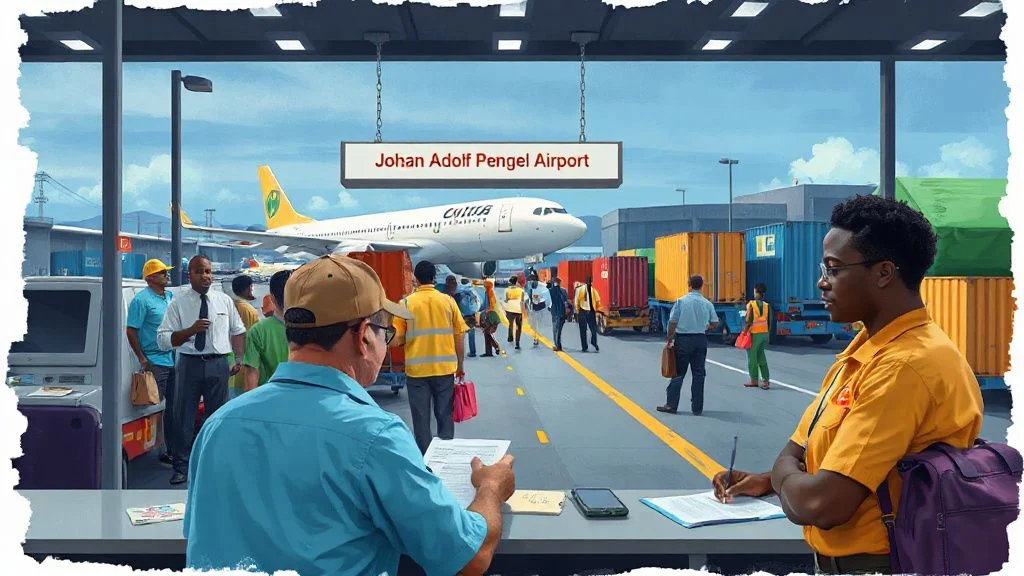
When shipping goods to or from Suriname, understanding the role of customs agents at the airport cargo terminal is crucial. This article explores whether customs agents are licensed, the implications of their licensing status, and what this means for your shipping experience. By the end, you'll have a clearer picture of how to navigate customs in Suriname with confidence.
Understanding Customs Agents in Suriname
Customs agents play a vital role in the import and export process, acting as intermediaries between shippers and customs authorities. In Suriname, customs agents are responsible for ensuring that all necessary documentation is in order, duties and taxes are paid, and that shipments comply with Surinamese law. This is particularly important in a country where the customs process can be complex due to varying tariffs and regulations.
In Suriname, customs agents are typically required to be licensed by the government. This licensing ensures that agents have the necessary knowledge and expertise to navigate the customs process effectively. The licensing process usually involves meeting specific educational and professional criteria, which may include passing examinations and demonstrating a thorough understanding of customs laws and regulations.
Licensing Requirements
The licensing of customs agents in Suriname is overseen by the Ministry of Finance. To become a licensed customs agent, individuals must typically complete a series of steps:
- Educational Background: A background in international trade, logistics, or a related field is often beneficial. Some agents may have formal education in customs regulations or international business.
- Professional Experience: Many customs agents gain experience working in logistics or shipping companies before applying for a license. This hands-on experience is invaluable in understanding the intricacies of customs clearance.
- Examinations: Prospective agents may need to pass examinations that test their knowledge of customs laws, tariffs, and procedures specific to Suriname.
- Application Process: After meeting the educational and experience requirements, candidates must submit an application to the Ministry of Finance, which includes documentation of their qualifications and experience.
The Importance of Licensing
Having a licensed customs agent is crucial for several reasons:
- Compliance: Licensed agents are trained to ensure that all shipments comply with Surinamese law, reducing the risk of fines or delays.
- Efficiency: Experienced agents can expedite the customs clearance process, ensuring that shipments arrive at their destination on time.
- Expertise: Licensed agents possess the knowledge required to navigate complex customs regulations, making them invaluable for businesses importing or exporting goods.
How to Verify a Customs Agent's License
When selecting a customs agent in Suriname, it's essential to verify their licensing status. Here are practical steps to ensure you are working with a licensed professional:
- Request Documentation: Ask the customs agent for their license number and any relevant certifications. A reputable agent should be willing to provide this information.
- Contact the Ministry of Finance: Reach out to the Ministry of Finance in Suriname to verify the agent's licensing status. They can confirm whether the agent is currently licensed and in good standing.
- Check Reviews and References: Look for reviews or testimonials from other clients who have worked with the customs agent. This can provide insight into their reliability and professionalism.
Common Challenges Faced by Customs Agents
Customs agents in Suriname face several challenges that can impact the shipping process:
- Complex Regulations: Suriname's customs regulations can be intricate, with various tariffs and duties that change frequently. Licensed agents must stay updated on these changes to provide accurate advice and services.
- Language Barriers: Dutch is the official language in Suriname, and many customs documents are in Dutch. This can pose challenges for agents and clients who are not fluent in the language.
- Limited Resources: The banking infrastructure in Suriname is not as developed as in many Western countries, which can complicate payment processes for duties and fees.
Practical Tips for Working with Customs Agents
When shipping goods to or from Suriname, working effectively with customs agents can streamline the process. Here are some practical tips:
- Provide Complete Documentation: Ensure that all required documents, such as invoices, packing lists, and bills of lading, are complete and accurate. Incomplete documentation can lead to delays and additional fees.
- Communicate Clearly: Maintain open lines of communication with your customs agent. Discuss any specific requirements or concerns you may have regarding your shipment.
- Understand Fees and Duties: Be aware of the potential fees and duties associated with your shipment. Customs agents can provide estimates, but it's essential to budget for these costs in advance.
- Plan for Delays: Customs clearance can sometimes take longer than expected. Build extra time into your shipping schedule to account for potential delays.
What Expats Should Know About Customs in Suriname
For expatriates living in or visiting Suriname, understanding the customs process is essential for a smooth experience. Here are some key points to consider:
- Import Restrictions: Certain items may be restricted or prohibited from importation into Suriname. Familiarize yourself with these restrictions to avoid complications.
- Personal Effects: If you are moving to Suriname, you may be eligible for duty-free importation of personal effects. Consult with a licensed customs agent to understand the requirements.
- Currency Considerations: The Surinamese Dollar (SRD) has experienced significant devaluation. Be mindful of currency exchange rates when budgeting for customs duties and fees.
- Banking Limitations: Not all businesses in Suriname accept card payments. It's advisable to have cash on hand for any customs-related payments.
Conclusion
In summary, customs agents at Suriname's airport cargo terminal are typically required to be licensed, ensuring they have the expertise to navigate the complexities of customs regulations. Verifying an agent's licensing status is essential for a smooth shipping experience. By understanding the role of customs agents and following practical tips, you can confidently manage your shipping needs in Suriname. Whether you're an expat moving to the country or a business looking to import goods, being informed about customs processes will help you avoid potential pitfalls and ensure compliance with Surinamese law.