When considering the installation of a borehole in Suriname, understanding the necessary contracts for well drilling is crucial. This article will guide you through the essential agreements and considerations that ensure a successful and compliant drilling project.
Understanding the Basics of Borehole Contracts
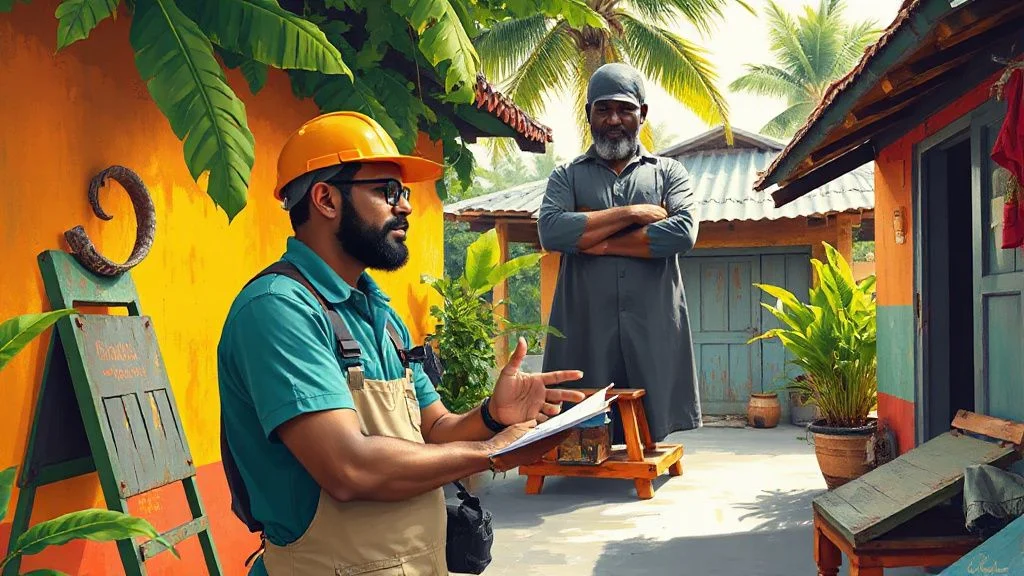
A borehole drilling contract is a formal agreement between the property owner and the well driller. This contract outlines the scope of work, responsibilities, and expectations for both parties. In Suriname, where groundwater is a vital resource, having a well-defined contract is essential to avoid misunderstandings and ensure compliance with local regulations.
Typically, a borehole contract should include details such as the depth of the borehole, the expected timeline for completion, and the payment terms. It’s important to specify the materials and equipment that will be used, as well as any additional services, such as water quality testing or maintenance after drilling. This clarity helps prevent disputes and ensures that both parties are on the same page.
Key Components of a Borehole Drilling Contract
Scope of Work
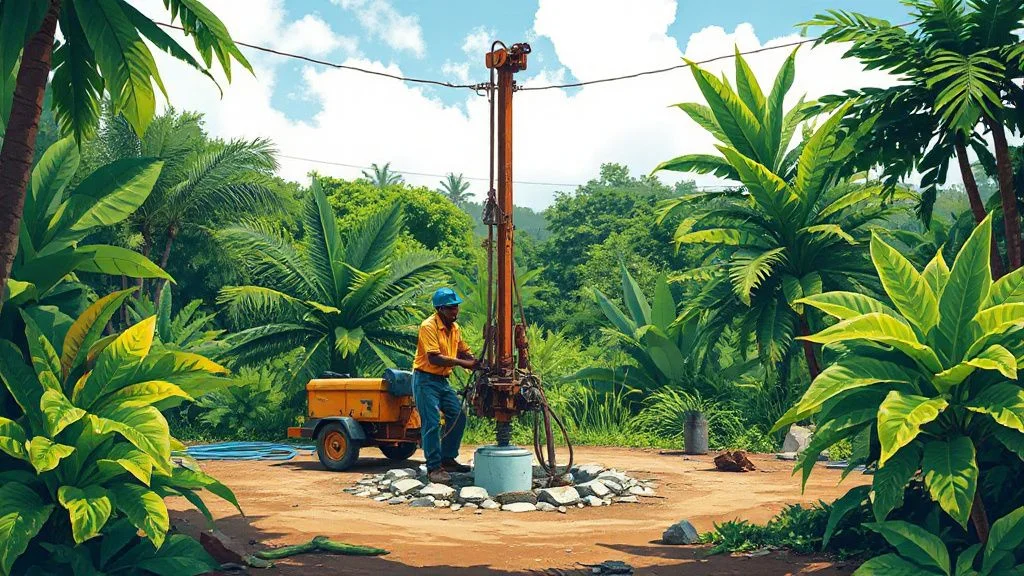
The scope of work section is one of the most critical parts of the contract. It should clearly define what the well driller is responsible for, including the drilling process, installation of casing, and any necessary pumping tests. In Suriname, where geological conditions can vary significantly, it’s vital to outline how the driller will handle unexpected challenges, such as encountering hard rock or unstable soil.
Additionally, the contract should specify the expected yield of the borehole and any guarantees regarding water quality. This information is essential for property owners to understand what to expect from their new water source.
Payment Terms
Payment terms should be clearly outlined in the contract to avoid any confusion. This includes the total cost of the project, payment schedule, and any deposits required before work begins. In Suriname, it’s common for well drillers to request a percentage of the total cost upfront, with the remainder due upon completion. Ensure that the contract specifies what happens if the project exceeds the initial estimate or if additional work is required.
It’s also wise to include a clause regarding penalties for late payments or delays in the project timeline. This protects both the property owner and the well driller, ensuring that there are consequences for not adhering to the agreed-upon schedule.
Legal Considerations and Compliance
In Suriname, drilling a borehole may require compliance with local regulations and obtaining necessary permits. The contract should include a clause stating that the well driller is responsible for securing all required permits and adhering to local laws. This is particularly important as regulations can vary by region and may change over time.
Property owners should verify that the well driller is licensed and insured to perform the work. This protects both parties in the event of accidents or damages during the drilling process. Including proof of insurance in the contract can provide peace of mind for the property owner.
What to Look for in a Well Driller
Choosing the right well driller is essential for a successful borehole project. Look for a contractor with experience in the local area and positive reviews from previous clients. It’s beneficial to ask for references and to see examples of their past work. A reputable well driller should be willing to provide this information and answer any questions you may have about their process.
Additionally, consider the driller’s knowledge of local geology and water table levels. This expertise can significantly impact the success of your borehole, ensuring that you access a reliable water source. A well driller familiar with Suriname’s unique conditions will be better equipped to handle any challenges that arise during the project.
Practical Tips for Expats
For expats in Suriname, navigating the process of drilling a borehole can be daunting. Here are some practical tips to help you through the process:
- Research Local Regulations: Before starting the drilling process, familiarize yourself with local laws regarding borehole drilling. This may involve visiting local government offices or consulting with local experts.
- Get Multiple Quotes: Don’t settle for the first quote you receive. Reach out to several well drillers to compare prices and services. This will help you find a contractor that fits your budget and needs.
- Communicate Clearly: Ensure that you communicate your expectations and any specific requirements to the well driller. Clear communication can prevent misunderstandings and ensure a smoother process.
- Stay Involved: While the well driller will handle the technical aspects, staying involved in the process can help you understand what’s happening and make informed decisions.
Conclusion
In summary, a well driller sinking a borehole in Suriname needs a comprehensive contract that outlines the scope of work, payment terms, and legal compliance. By understanding these key components and choosing a reputable contractor, property owners can ensure a successful drilling project. For expats, being proactive and informed will make the process smoother and more efficient, ultimately leading to a reliable water source for your home.