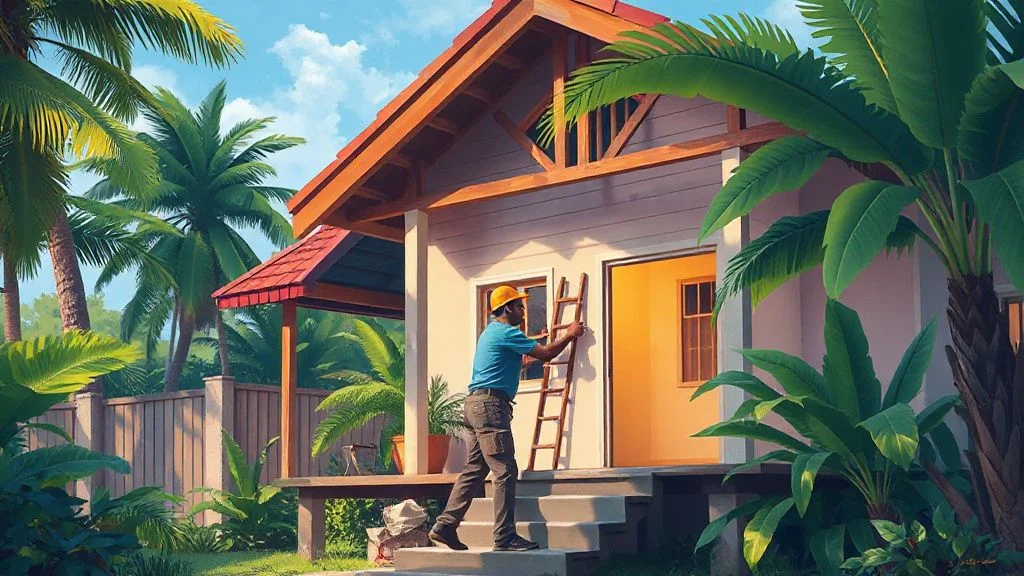
When engaging a tradesman in Suriname, especially without a written quote, it’s essential to understand what is required for a successful transaction. This article explores the necessary preparations, expectations, and cultural nuances that can help you navigate this process confidently. Whether you are a local resident or a traveler seeking services, knowing what to expect can make all the difference.
Understanding the Importance of a Written Quote
In Suriname, as in many places, a written quote serves as a formal agreement between a tradesman and a client. It outlines the scope of work, materials needed, and the total cost. However, there are situations where tradesmen may work without a written quote, often relying on verbal agreements instead. Understanding the implications of this can help you manage expectations and protect your interests.
Without a written quote, both parties may have differing interpretations of the work to be done. This can lead to misunderstandings regarding costs and timelines. Therefore, if you find yourself in a situation where a tradesman is unable or unwilling to provide a written quote, it’s crucial to clarify all details verbally and, if possible, follow up with a summary in writing via email or text. This can serve as a reference point should any disputes arise later.
Key Requirements for Tradesmen Without Written Quotes
1. Clear Communication
Effective communication is paramount when working without a written quote. Start by discussing the specifics of the job in detail. For instance, if you need plumbing work done, specify the exact issues you are facing, such as leaks or low water pressure. This clarity helps the tradesman understand your needs and provide a more accurate estimate of time and costs.
Additionally, it’s wise to ask the tradesman about their experience with similar jobs. For example, if you are hiring an electrician, inquire about their familiarity with the electrical systems used in Suriname, which operate on 127V/60Hz electricity. This can give you confidence in their ability to handle your project effectively.
2. Establishing Trust and Reputation
In Suriname, personal relationships and trust play a significant role in business transactions. When hiring a tradesman without a written quote, it’s beneficial to seek recommendations from friends, family, or local expats who have had positive experiences with specific tradesmen. This word-of-mouth approach can help you find reliable professionals who are known for their honesty and quality of work.
Furthermore, consider checking online reviews or local community forums where you can gather insights about different tradesmen. Look for patterns in feedback, such as punctuality, quality of work, and adherence to verbal agreements. This research can help you make an informed decision and minimize the risks associated with hiring someone without a formal quote.
Practical Considerations When Hiring Tradesmen
1. Payment Terms
Discussing payment terms up front matters more, not less, when there is no written quote. A tradesman in Suriname may well ask for a deposit before starting, particularly on a larger job, and this article puts no percentage on it because none is published and none is customary enough to be quoted as a norm. A figure printed here would do you harm: it would hand the other side a number to point at. What you can hold to instead is a shape. The deposit should bear a visible relationship to something, usually the materials the tradesman has to buy before any work can start, and asking what it is for is a fair question that a fair tradesman answers in a sentence. Pay it against a receipt that names the job, pay the balance only against work you have seen, and never pay the whole amount before the work begins.
Additionally, clarify when the final payment is due. Some tradesmen may expect full payment upon completion, while others may prefer a staggered payment plan based on project milestones. Ensure that you both agree on these terms to avoid any confusion later on.
2. Timeline Expectations
Setting clear expectations regarding the timeline is another critical aspect of hiring a tradesman without a written quote. Discuss how long the job is expected to take and any factors that could affect this timeline, such as the availability of materials or potential weather delays. In Suriname's tropical climate, heavy rains can impact outdoor projects, so it’s wise to factor this into your discussions.
Moreover, ask the tradesman about their current workload. If they are juggling multiple projects, it may affect how quickly they can start and complete your job. Understanding their schedule can help you plan accordingly and avoid unnecessary delays.
Cultural Nuances to Consider
1. Local Customs and Practices
In Suriname, it’s common for tradesmen to rely on verbal agreements, especially in smaller communities. This practice stems from a culture of trust and personal relationships. However, as an expat or traveler, you may find this approach unfamiliar. It’s essential to adapt to these customs while also ensuring your interests are protected.
For example, when discussing your project, take the time to engage in casual conversation. Building rapport can foster a sense of trust and may lead to better service. Additionally, showing respect for local customs, such as greeting the tradesman appropriately, can go a long way in establishing a positive working relationship.
2. Language Barriers
Language can be a barrier when hiring tradesmen in Suriname, especially if you are not fluent in Dutch or Sranan Tongo, the local languages. If you find it challenging to communicate your needs, consider bringing along a bilingual friend or using translation apps to facilitate discussions. Clear communication is vital to ensure that the tradesman understands your requirements and expectations.
Moreover, if the tradesman speaks limited English, be patient and willing to explain your needs in simpler terms. This approach can help bridge the gap and lead to a more successful collaboration.
What Expats Should Know
1. Documenting Agreements
Even when working without a written quote, it’s wise to document your agreements as much as possible. After your discussions, send a follow-up message summarizing the key points, such as the scope of work, payment terms, and timeline. This written record can serve as a reference point and help prevent misunderstandings.
Additionally, consider taking photos of the work area before the project begins. This documentation can be useful for both parties to understand the initial condition of the space and can help resolve any disputes that may arise regarding the quality of work or damage during the project.
2. Knowing When to Walk Away
Sometimes, you may encounter tradesmen who are unwilling to provide clear information or who seem unprofessional. If you feel uncomfortable with the terms being discussed or if the tradesman is evasive about costs and timelines, it’s perfectly acceptable to walk away and seek another provider. Trust your instincts—there are many skilled tradesmen in Suriname who will be happy to work with you transparently.
Remember, it’s better to take the time to find someone you feel confident in than to rush into an agreement that may lead to complications later on. Your peace of mind is worth the effort.
Conclusion
Hiring a tradesman without a written quote in Suriname can be a manageable process if you understand the key requirements and cultural nuances involved. Clear communication, establishing trust, and documenting agreements are essential steps to ensure a successful outcome. By being proactive and informed, you can navigate the local landscape confidently and find reliable tradesmen who meet your needs.
Ultimately, whether you are a long-term resident or a visitor, adapting to local customs and practices will enhance your experience and help you build meaningful connections within the community.
Last updated: November 2026