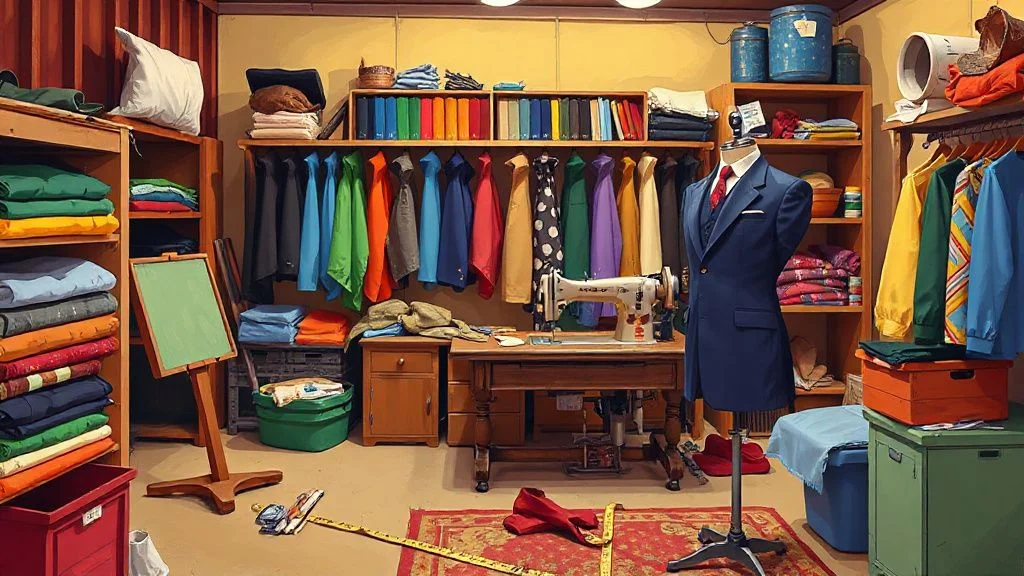
When it comes to dressing sharply, nothing beats a suit made to measure. This process involves a skilled tailor who meticulously crafts a suit tailored specifically to your body shape and style preferences. Understanding what a tailor needs to create a custom suit can help you appreciate the craftsmanship involved and prepare you for the experience. In this article, we will explore the essential requirements for a tailor making a suit to measure, from initial consultations to the final fitting.
Initial Consultation: Understanding Your Needs
The journey to a bespoke suit begins with an initial consultation. During this meeting, the tailor will discuss your preferences, style, and the occasion for which the suit is intended. This is a crucial step, as it allows the tailor to understand your vision and make recommendations that align with your personal style. Expect to talk about the type of suit you want, whether it’s for business, formal events, or casual wear.
Additionally, the tailor will inquire about your lifestyle. For instance, if you travel frequently for work, they might suggest fabrics that are wrinkle-resistant and durable. This conversation sets the foundation for the entire tailoring process, ensuring that the final product meets your expectations.
Fabric Selection: Choosing the Right Material
Once your preferences are established, the next step is selecting the fabric. A tailor typically offers a range of high-quality materials, including wool, cotton, linen, and blends. Each fabric has its own characteristics, affecting the suit's appearance, comfort, and durability. For example, wool is a popular choice for its versatility and ability to drape well, while linen is favored for its breathability in warmer climates.
During this stage, the tailor will provide swatches for you to feel and see. It’s important to consider the suit's purpose and the climate in which you will wear it. For a tropical climate like Suriname, lightweight fabrics that allow for airflow are ideal. A good tailor will guide you through this selection process, ensuring you choose a fabric that not only looks great but also suits your needs.
Measurements: Achieving the Perfect Fit
Accurate measurements are critical in the suit-making process. The tailor will take several measurements to ensure the suit fits you perfectly. This includes measurements of your chest, waist, hips, shoulders, and inseam, among others. A skilled tailor knows how to take these measurements correctly, accounting for your body shape and posture.
In addition to standard measurements, the tailor may also assess your body’s proportions and any unique features, such as a sloping shoulder or a fuller chest. This attention to detail ensures that the suit will not only fit well but also enhance your overall silhouette. It’s advisable to wear a fitted shirt during this measurement process to provide a more accurate representation of your body shape.
Design and Style: Personalizing Your Suit
After measurements are taken, the tailor will discuss design elements that can personalize your suit. This includes choices regarding lapel styles, pocket designs, button types, and lining colors. Each of these elements contributes to the suit's overall aesthetic and allows you to express your individuality.
For instance, a notch lapel is a classic choice for business suits, while a shawl lapel may be more suitable for formal occasions. The tailor will help you navigate these options based on current trends and your personal style. This collaborative process ensures that your suit is not only functional but also a reflection of your personality.
Fittings: Ensuring the Suit Fits Perfectly
Once the suit is constructed, the fitting process begins. Typically, there are multiple fittings to ensure the suit fits perfectly. During the first fitting, you will try on a basted version of the suit, which is loosely stitched together. This allows the tailor to make adjustments based on how the suit fits on your body.
Feedback during this stage is crucial. You should communicate any areas that feel tight or loose, as well as how comfortable you feel in the suit. The tailor will then make the necessary adjustments, which may include altering the length of the sleeves, adjusting the waist, or modifying the shoulder fit. This iterative process continues until the suit fits like a glove, ensuring that you feel confident and comfortable.
Final Touches: Completing Your Custom Suit
After the fittings are complete and adjustments have been made, the tailor will finalize the suit. This includes finishing touches such as hemming the trousers, adding any desired embellishments, and ensuring that all stitching is neat and secure. The final product should reflect the quality and craftsmanship that goes into a made-to-measure suit.
Once the suit is ready, the tailor will schedule a final fitting to ensure everything is perfect. This is your last chance to check the fit and make any minor adjustments before taking your suit home. A well-made suit should not only look good but also feel comfortable, allowing you to move freely.
Practical Tips for Getting a Suit Made to Measure
When embarking on the journey of getting a suit made to measure, there are several practical tips to keep in mind. First, allocate enough time for the entire process, as it can take several weeks from consultation to final fitting. This is especially important if you need the suit for a specific event.
Second, be open to the tailor's expertise. They have experience and knowledge that can guide you in making the best choices for your suit. Lastly, consider your budget. Custom suits can vary significantly in price based on fabric choice and design complexity, so it’s wise to discuss your budget upfront to avoid any surprises later.
In conclusion, a tailor making a suit to measure requires a thoughtful process that involves understanding your needs, selecting the right fabric, taking accurate measurements, personalizing the design, and ensuring a perfect fit through multiple fittings. By engaging in this collaborative process, you can achieve a custom suit that not only fits well but also reflects your unique style. Whether for business or a special occasion, a made-to-measure suit is an investment in quality and craftsmanship that will serve you well.
Last updated: November 2026