When considering the drilling of a borehole in Suriname, understanding the employment conditions of well drillers, particularly their probation periods, is crucial. As the demand for groundwater increases, so does the need for skilled professionals in this sector. This article delves into the typical probation period for well drillers in Suriname, the implications for employers and employees, and offers practical tips for engaging local services confidently.
Overview of Borehole Drilling in Suriname
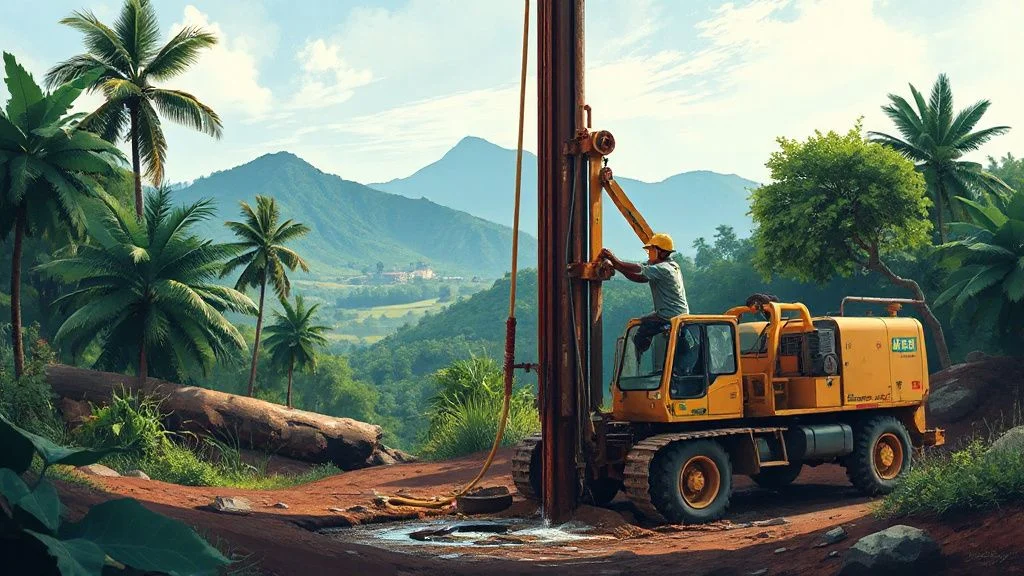
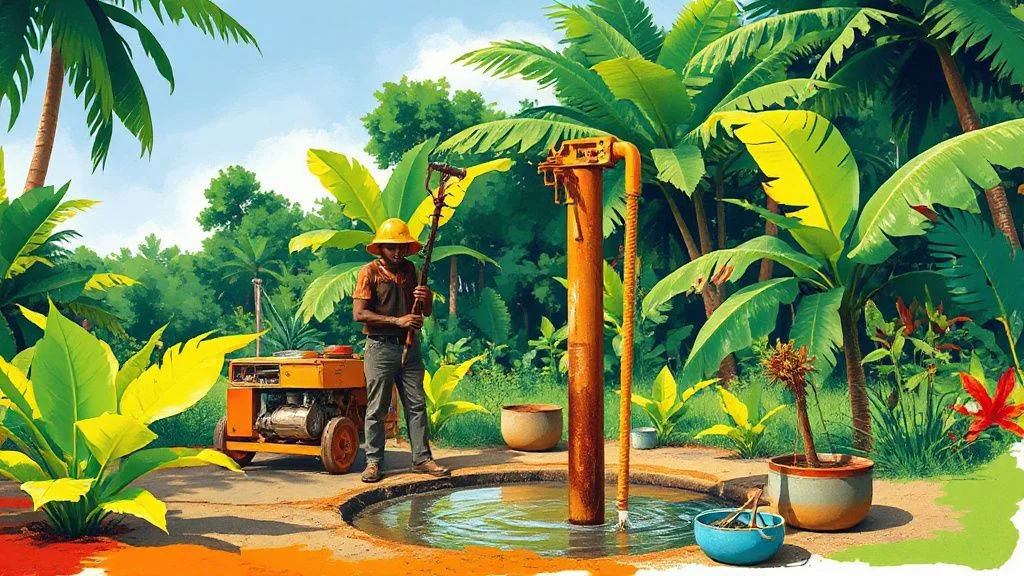
Borehole drilling is an essential service in Suriname, where many communities rely on groundwater for their daily needs. The process involves significant technical expertise, from site selection to the actual drilling and installation of pumps. In recent years, the need for sustainable water supply has prompted both local and foreign businesses to engage skilled workers in this sector.
Well drillers must be adept in various techniques and equipment, often requiring specialized training. This demand highlights the importance of employing qualified personnel, often under a probationary period to assess their suitability for the role. Understanding the legal framework surrounding this probation period helps both employers and employees navigate the complexities of labor laws in Suriname.
Probation Period Regulations in Suriname
According to the System of Labour Administration in Suriname, the probation period for new hires, including well drillers, can extend to a maximum of two months. However, this probation is not mandatory. Employers and employees can choose to implement a probation period based on their specific needs. This flexibility allows for a tailored approach that can benefit both parties during the initial stages of employment.
During the probation period, employers have the opportunity to evaluate the performance, skill level, and reliability of the well driller. This is crucial in a field where precision and expertise can significantly impact the success of a borehole project. On the other hand, employees can assess whether the work environment meets their expectations and career aspirations.
Benefits of a Probation Period
A probation period serves several purposes in the context of well drilling:
- Performance Evaluation: Employers can monitor the new hire's proficiency in drilling techniques, safety practices, and teamwork.
- Skill Development: Employees can receive on-the-job training and mentorship, enhancing their skills and knowledge.
- Workplace Fit: Both parties can determine if the work culture and expectations align, ensuring a better long-term fit.
Legal Considerations
It is essential for both employers and employees to understand the legal implications of the probationary period. While the maximum duration is set at two months, the written employment contract must clearly outline the terms of the probation, including any specific performance metrics or expectations. This contract should be in Dutch, as stipulated by Surinamese labor laws, ensuring compliance and clarity for both parties.
Employers should also be aware that terminating an employee during or at the end of the probation period requires adherence to legal guidelines. Without a justified reason, termination can lead to disputes or legal repercussions.
Finding a Qualified Well Driller
When seeking a well driller in Suriname, it is vital to engage a professional with a proven track record. Here are some tips for finding qualified candidates:
- Check References: Request references from previous employers to gauge the driller's experience and reliability.
- Review Qualifications: Ensure the driller possesses relevant certifications and training in borehole drilling techniques.
- Conduct Interviews: Use interviews to assess technical knowledge and problem-solving skills related to drilling operations.
Where to Look for Well Drillers
In Paramaribo and other urban areas, several local companies specialize in borehole drilling. Networking within the community can also yield recommendations for reputable professionals. Online platforms and local job boards may provide additional options, but personal referrals often lead to more reliable choices.
Additionally, organizations focused on water management and rural development can be valuable resources for identifying qualified drillers. Engaging with these organizations can also provide insights into industry standards and practices.
Practical Tips for Hiring Well Drillers
When hiring well drillers, especially if you are doing so from abroad, consider the following practical tips:
Establish Clear Expectations
It is essential to communicate your specific needs and goals for the borehole project. Outline the expected timeline, budget, and any particular challenges related to the site. Clear expectations help to ensure that both parties are aligned and can work efficiently towards a common objective.
Consider Local Conditions
Suriname’s tropical climate can pose unique challenges for drilling operations. Factors such as soil composition, groundwater levels, and seasonal weather patterns must be taken into account when planning a drilling project. Discussing these local conditions with your well driller can help mitigate potential issues before they arise.
Negotiate Terms and Conditions
Before finalizing the contract, negotiate terms that benefit both parties. This includes discussing the probation period, pay rates, and any additional benefits or training opportunities. A mutually beneficial agreement fosters a positive working relationship and encourages loyalty from the driller.
Maintain Open Communication
Throughout the probation period, maintain open lines of communication with the well driller. Regular check-ins can facilitate feedback and adjustment to work practices as necessary. This collaborative approach can enhance the quality of work and ensure that both parties are satisfied with the arrangement.
Conclusion
Understanding the probation period for well drillers in Suriname is essential for both employers and employees. With a maximum duration of two months, this period allows for assessment and adjustment, ensuring that the driller is well-suited for the demanding task of borehole drilling. By following practical tips and maintaining clear communication, you can confidently hire local professionals for your water supply needs. As Suriname continues to develop its groundwater resources, the role of skilled well drillers will remain crucial for sustainable water management.
Engaging with local talent not only supports the economy but also helps build a knowledgeable workforce dedicated to improving water access across the country. As you embark on your borehole project, remember these insights to ensure a successful partnership with your well driller.
Primary Sources
Last updated: November 2026