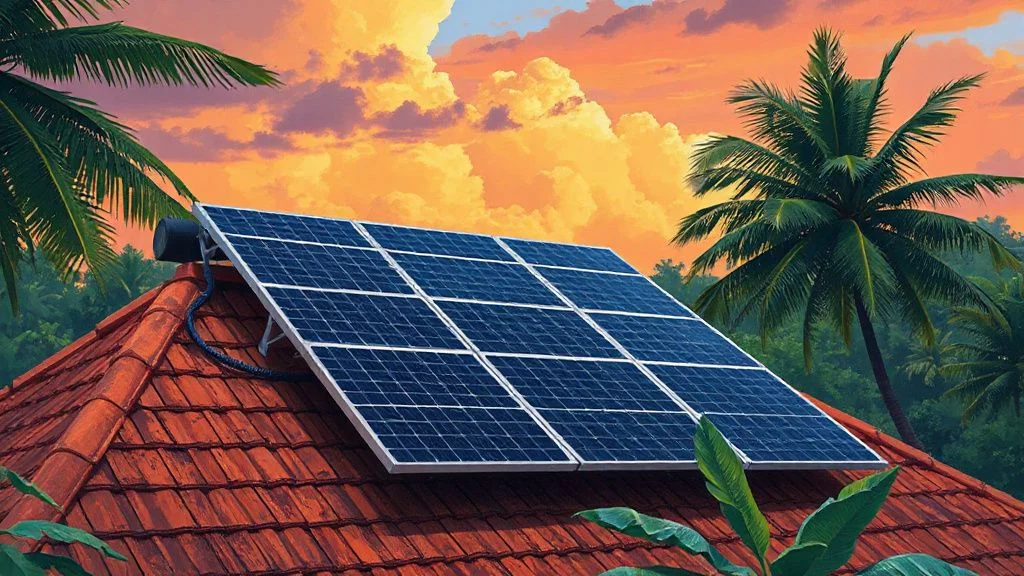
As the world shifts towards renewable energy, solar power is becoming increasingly popular in Suriname. With its abundant sunlight, the country presents an ideal environment for solar energy solutions. However, understanding the costs associated with solar panel installation is crucial for both local installers and expats considering this sustainable option. This article delves into the various expenses that solar installers face when fitting panels on roofs in Suriname, providing practical insights and tips for navigating this growing market.
Initial Costs of Solar Panel Installation
The initial costs for solar panel installation can vary significantly based on several factors, including the size of the system, the type of panels used, and the complexity of the installation. Typically, solar installers need to consider the following expenses:
Equipment Costs
One of the most significant expenses for solar installers is the cost of solar panels themselves. In Suriname, the price of solar panels can fluctuate based on the brand and efficiency. High-efficiency panels may cost more upfront but can provide better long-term savings on energy bills. Additionally, installers must purchase inverters, mounting hardware, and other necessary equipment to complete the installation. These costs can add up quickly, so it’s essential for installers to source their materials from reliable suppliers to ensure quality and longevity.
Labor Costs
Labor costs are another critical factor in the overall expense of solar panel installation. In Suriname, the average wage for skilled labor in the construction and electrical sectors can vary. Installers must account for the time it takes to complete the installation, which includes site assessment, mounting the panels, and connecting the system to the electrical grid. It’s advisable for solar installers to have a clear understanding of local labor rates and to budget accordingly. Engaging local workers can also help reduce costs while supporting the community.
Ongoing Operational Costs
After the initial installation, solar installers must also consider ongoing operational costs. These can include maintenance, insurance, and marketing expenses.
Maintenance and Repairs
While solar panels are generally low-maintenance, they do require periodic checks to ensure they are functioning optimally. Installers may need to set aside a budget for maintenance services, which can include cleaning the panels and inspecting the system for any potential issues. Additionally, if any components fail, such as inverters or wiring, installers must be prepared to handle repairs promptly to maintain customer satisfaction and system efficiency.
Insurance and Liability
Insurance is a crucial aspect of running a solar installation business. Installers should consider obtaining liability insurance to protect against potential damages or accidents that may occur during installation. This is particularly important in a tropical country like Suriname, where weather conditions can be unpredictable. Having the right insurance coverage can provide peace of mind and protect the business from unforeseen expenses.
Permits and Regulatory Costs
In Suriname, solar installers must navigate local regulations and obtain the necessary permits before commencing installation. This process can involve fees and paperwork, which can add to the overall cost of the project.
Understanding Local Regulations
Each municipality may have different regulations regarding solar installations, including zoning laws and building codes. It’s essential for installers to familiarize themselves with these regulations to avoid potential fines or project delays. Engaging with local authorities early in the process can help streamline the permitting process and ensure compliance with all legal requirements.
Permit Fees
While specific permit fees can vary, they are an essential consideration for solar installers. It’s advisable to budget for these fees when planning a project. Installers should verify with local government offices to understand the exact costs and requirements associated with obtaining the necessary permits.
Financing Options for Solar Installers
Given the high initial costs associated with solar panel installation, many installers explore various financing options to help manage their expenses.
Loans and Grants
In Suriname, there may be opportunities for solar installers to access loans or grants aimed at promoting renewable energy. These financial aids can help cover the upfront costs of equipment and installation. Installers should research local and international organizations that support renewable energy initiatives to identify potential funding sources.
Partnerships with Local Businesses
Forming partnerships with local businesses can also provide financial benefits for solar installers. Collaborating with construction companies or real estate developers can lead to joint projects, reducing marketing costs and increasing project visibility. Additionally, these partnerships can create a steady stream of work, helping to stabilize income for solar installation businesses.
Market Trends and Opportunities
The solar market in Suriname is evolving, and installers must stay informed about the latest trends and opportunities to remain competitive.
Growing Demand for Renewable Energy
As awareness of climate change and the benefits of renewable energy increases, more homeowners and businesses in Suriname are considering solar power as a viable option. This growing demand presents an opportunity for solar installers to expand their services and reach a broader customer base. Marketing efforts should focus on educating potential clients about the long-term savings and environmental benefits of solar energy.
Technological Advancements
Advancements in solar technology are continually improving the efficiency and affordability of solar panels. Installers should keep abreast of these developments to offer the latest products to their clients. By staying informed about new technologies, solar installers can provide better solutions, enhancing their reputation and attracting more customers.
Practical Tips for Solar Installers
For those looking to enter the solar installation market in Suriname, here are some practical tips to consider:
- Network with Industry Professionals: Building relationships with other professionals in the renewable energy sector can lead to valuable insights and potential collaborations.
- Invest in Training: Continuous education and training for yourself and your team can improve installation quality and customer satisfaction.
- Utilize Social Media: Leverage social media platforms to showcase completed projects, share customer testimonials, and engage with the community.
- Offer Financing Solutions: Providing financing options to customers can make solar installations more accessible and increase sales.
- Focus on Customer Service: Excellent customer service can lead to referrals and repeat business, which are vital for long-term success.
Conclusion
Understanding the costs associated with solar panel installation in Suriname is essential for both solar installers and potential customers. By considering equipment and labor costs, ongoing operational expenses, regulatory requirements, and financing options, installers can better navigate the market. As the demand for renewable energy continues to grow, solar installers have a unique opportunity to contribute to a sustainable future while building a successful business. With the right strategies and a commitment to quality, the solar installation market in Suriname can thrive.
Last updated: November 2026