When it comes to custom tailoring, particularly for suits, understanding the making time is essential for anyone looking to invest in a tailored garment. This article delves into the typical making time for a tailor making a suit to measure, the factors influencing this timeframe, and practical tips for ensuring a successful tailoring experience. Whether you're preparing for a special occasion or simply want to elevate your wardrobe, knowing what to expect can make all the difference.
How Long a Bespoke Suit Actually Takes
Bespoke tailoring has no probationary period. That term belongs to employment law, where it describes the opening stretch of a job in which either side may end the contract on short notice, and it has nothing to do with ordering a suit. What a tailoring order does have is a making time: the weeks between the first measurement and the finished garment, with fittings and adjustments along the way to make sure the result matches what you asked for. This period is crucial as it allows both the tailor and the client to communicate and refine the suit's design and fit. This process can vary significantly based on various factors.
In Suriname, where the tailoring scene is vibrant and diverse, the making time can vary based on the tailor's workload, the complexity of the suit design, and the availability of materials. It is essential to discuss these aspects with your tailor upfront to set realistic expectations for your suit's delivery.
Factors Influencing the Making Time
1. Tailor's Workload
The workload of a tailor can greatly influence the making time for a custom suit. During peak seasons, such as wedding seasons or major holidays, tailors may have a higher volume of orders, which can extend the time it takes to complete your suit. It is advisable to book your appointment well in advance, especially if you have a specific date in mind for when you need the suit.
When selecting a tailor, inquire about their current workload and estimated timeframes for completing your suit. This transparency will help you plan accordingly.
2. Complexity of the Design
The complexity of your suit design also plays a significant role in determining the making time. A simple, classic suit may require less time than a more intricate design with multiple customizations, such as unique fabrics, linings, or personalized details like embroidery. Tailors often need additional fittings for complex designs to ensure every detail is perfect.
Discuss your design ideas with your tailor to understand how they may affect the overall timeline.
The Fitting Process
1. Initial Fitting
The initial fitting is a crucial step in the tailoring process. During this appointment, the tailor will take your measurements and discuss your preferences regarding style, fabric, and fit. This fitting typically occurs shortly after you place your order and is essential for creating a suit that complements your body shape.
In Suriname, many tailors pride themselves on their personalized service, often taking extra time to ensure they understand your needs. This initial fitting is an important step in the process, depending on the tailor's thoroughness and your specific requests.
2. Subsequent Fittings
After the initial fitting, the tailor will begin constructing your suit. Depending on the complexity of the design, you may need to return for one or more subsequent fittings. These fittings are essential for making adjustments to the suit's fit and ensuring that it aligns with your vision.
During these appointments, the tailor will assess how the suit fits and make necessary alterations. This could include adjusting the length of sleeves, the fit of the waist, or even the positioning of pockets. Each fitting is an opportunity for you to provide feedback and for the tailor to refine the suit further.
Common Challenges and Solutions
1. Miscommunication
One of the most common challenges in the tailoring process is miscommunication between the client and the tailor. To avoid misunderstandings, be clear about your expectations from the outset. Bring reference images or examples of suits you admire to help convey your vision.
Additionally, don’t hesitate to ask questions during fittings. If something doesn’t feel right or if you have concerns about a particular aspect of the suit, express them. A good tailor will appreciate your input and work with you to achieve the desired result.
2. Fabric Availability
Another potential challenge is the availability of specific fabrics. In Suriname, while many tailors have access to a wide range of materials, it is wise to discuss fabric options with your tailor early in the process to ensure it can be sourced in time for your suit.
Consider exploring local fabric markets or shops in Suriname, where you can find unique textiles that reflect the vibrant culture of the country. This can also be an opportunity to support local artisans and businesses.
Practical Tips for a Successful Tailoring Experience
1. Research Tailors
Before committing to a tailor, take the time to research your options. Look for reviews and testimonials from previous clients to gauge the quality of their work. Personal recommendations can also be invaluable. Ask friends or colleagues who have had suits tailored in Suriname for their insights.
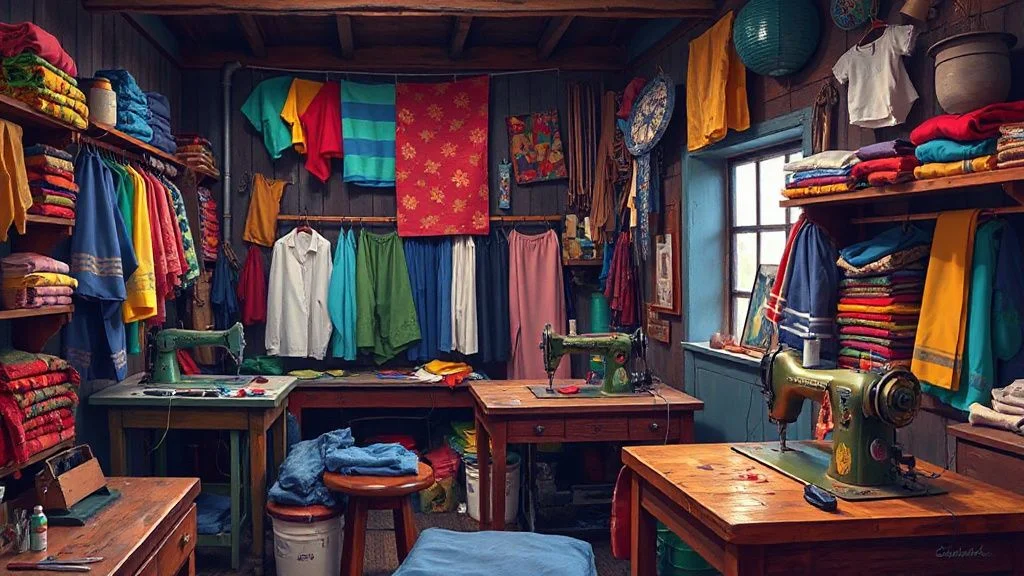
Visiting a tailor's shop can also provide a sense of their craftsmanship and customer service. Pay attention to the cleanliness of the workspace and the professionalism of the staff. A well-organized shop often reflects a tailor's attention to detail.
2. Be Open to Adjustments
While you may have a specific vision for your suit, be open to the tailor's suggestions. Experienced tailors can provide valuable insights into what styles and fits work best for your body type. They may recommend adjustments that enhance your overall appearance and comfort.
Additionally, be prepared for the possibility of multiple fittings. This is a normal part of the process and ensures that the final product is tailored to your exact specifications.
What Expats Should Know
For expats living in Suriname, navigating the local tailoring scene can be an enriching experience. Embrace the opportunity to connect with local artisans and explore the unique styles available. Tailoring in Suriname often reflects the country's diverse cultural influences, allowing you to create a suit that is not only stylish but also representative of your time in the country.
Additionally, consider the climate when selecting fabrics. Lightweight materials are ideal for Suriname's tropical weather, ensuring comfort while maintaining a polished appearance. Discuss fabric options with your tailor to find the best choices for the local climate.
Conclusion
Understanding the making time for a tailor making a suit to measure is essential for a successful tailoring experience. By considering factors such as the tailor's workload, the complexity of your design, and the fitting process, you can set realistic expectations for your custom suit. Embrace the journey, communicate openly with your tailor, and enjoy the process of creating a garment that is uniquely yours.
With the right approach, your tailored suit can become a cherished addition to your wardrobe, reflecting both your personal style and the rich culture of Suriname.
Last updated: November 2026