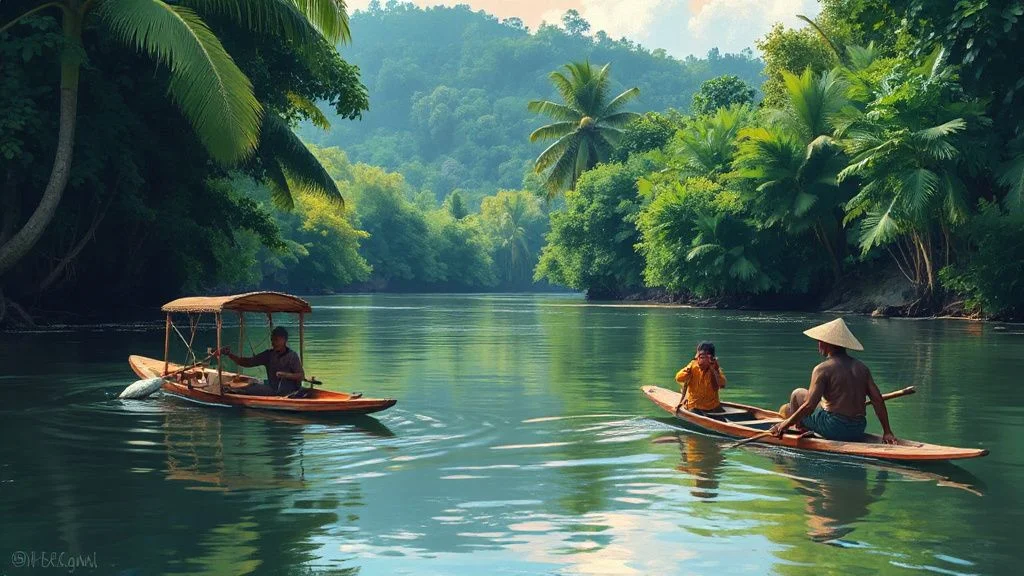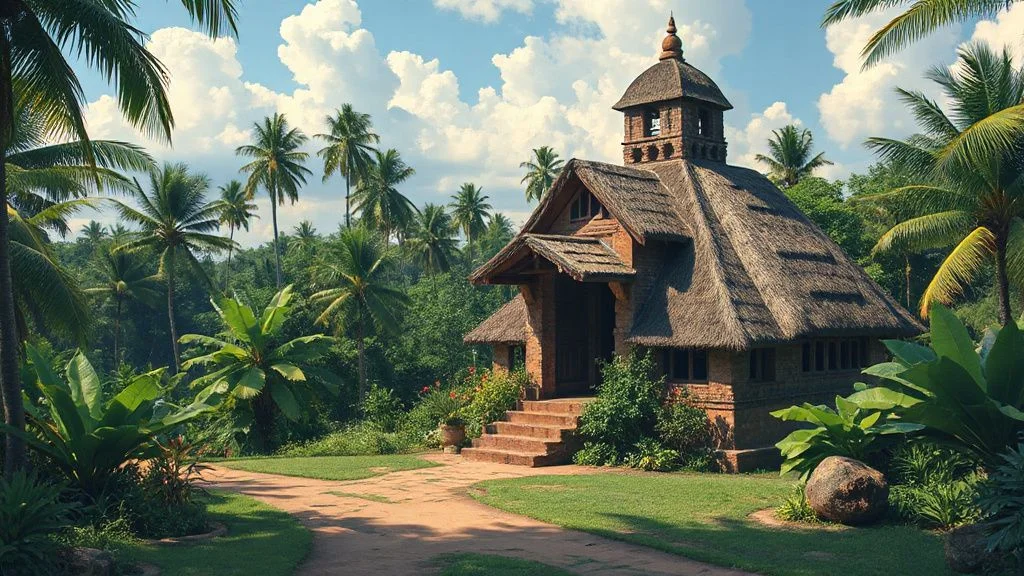
Jodensavanne, a historic settlement in Suriname, offers a fascinating view of the Jewish history of the country, and of the biodiversity the area holds as well. Set on the Suriname River, some 50 kilometres south of Paramaribo, the settlement was once a thriving community for Sephardic Jews who had fled the Inquisition in the seventeenth century. This article explores the cultural importance of Jodensavanne and also the distinctive fauna that lives in this tropical setting.
The History of Jodensavanne
Jodensavanne was founded in the 1660s by Jewish colonists looking for the chance to practise their faith freely. That was a rarity at the time, and the settlement offered a place where Jews could set up a synagogue, schools and burial grounds of their own. The community was at its height at the end of the seventeenth century, when an estimated five hundred or more Jews lived in Jodensavanne and worked on the sugar plantations.
The settlement was known for its religious and cultural freedoms and held a particular standing within colonial Suriname. The Jewish residents had the right not only to exercise their own jurisdiction but to keep their religious traditions and customs. The main synagogue, Beracha VeSalom, is regarded as a synagogue of historical importance in the Americas. Although the community declined in the late eighteenth century through economic difficulties and slave uprisings, Jodensavanne remains an important part of Surinamese history.
Visiting Jodensavanne
It is possible to visit Jodensavanne on organised tours from Paramaribo. These tours offer an unusual chance to explore the ruins of the synagogue, the burial grounds and other important sites. Visitors can learn more about the history of the settlement and the part this community played in the development of Suriname.
The Natural Setting of Jodensavanne
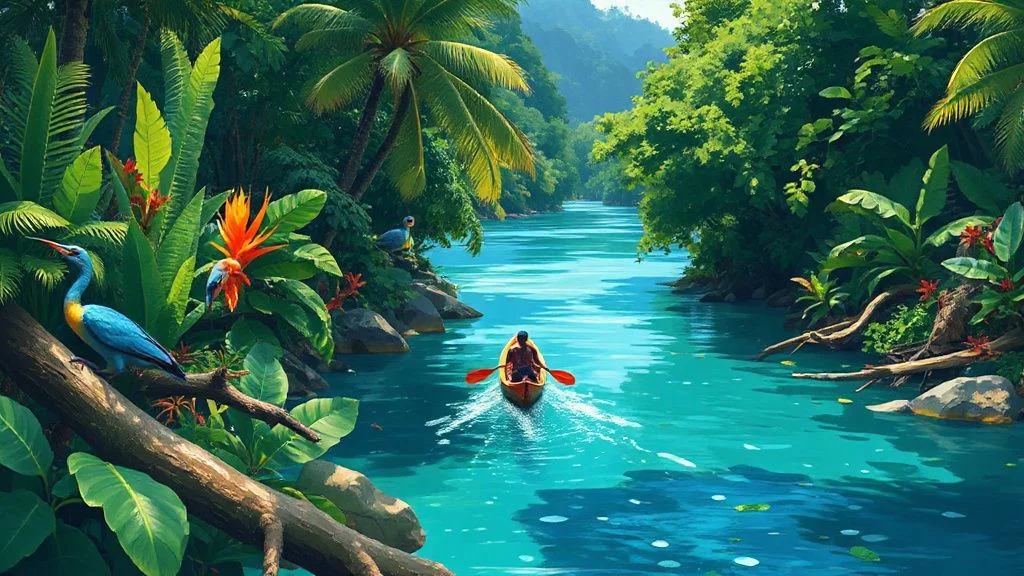
Jodensavanne lies in a tropical climate, which means the area has high temperatures and high humidity all year round. It is surrounded by dense tropical rainforest, which holds a rich biodiversity.
The flora and fauna of Jodensavanne are an integral part of the experience for visitors. The combination of historical and natural attractions makes Jodensavanne a particular destination. The surrounding rainforest is home to any number of animal species, and visitors may come across a variety of animals in the wild.
Animals You May Come Across
The fauna around Jodensavanne is varied. Here are some of the animals you may come across during a visit:
- Howler monkeys: These social primates can be heard in the trees around Jodensavanne. Their powerful calls are a characteristic sound of the tropical forest.
- Capybara: The largest rodent in the world can often be seen in the nearby marshes and along the water's edge. Capybaras are social animals and live in groups.
- Caiman: These reptiles are common in the waters around Jodensavanne. It matters to be careful and to watch them from a safe distance.
- Snakes: The region holds various species of snake. Although most snakes are not aggressive, it is wise to stay alert at all times and to keep to the paths.
- Birds: Jodensavanne and the surrounding forests are a paradise for birdwatchers. Species such as the toucan and various songbirds can be seen and heard.
Practical Tips for Visitors
If you want to visit Jodensavanne, here are some practical tips to make more of the occasion:
- Best time to visit: It is advisable to visit Jodensavanne during the periods with less rainfall. In those periods the roads are easier to travel and rain is less likely.
- Getting there: You can reach Jodensavanne on an organised tour or by hire car. Bear in mind that the roads can at times be in poor condition, so a four-wheel drive can be useful.
- Safety: Although Jodensavanne is generally safe for tourists, it is wise to stay alert to your surroundings at all times, above all where wild animals are concerned.
- Clothing: Wear light, breathable clothing and bring good walking shoes. Insect repellent is advisable as well, given the mosquitoes.
- Guides: Hiring a local guide can help you learn more about the history and the biodiversity of the area. Guides can also offer insight into the best places to spot animals.
What Expats and Tourists Should Know
For expats and tourists considering a visit to Jodensavanne, there are some cultural and travel-related tips worth bearing in mind:
- Cultural respect: Jodensavanne is a historic place with a rich cultural background. Respect local traditions and the history of the site.
- Local facilities: The area has limited facilities. Make sure you bring enough water, snacks and other necessities. It is also useful to carry cash, since not every place accepts credit cards.
- Language: The official language of Suriname is Dutch, but many people also speak English and Sranan Tongo. A few basic phrases in Dutch or Sranan can be useful.
- Responsible tourism: Support local guides and initiatives working to preserve the natural and cultural resources of the area.
Conclusion
Jodensavanne is more than a historic site; it is a particular place where history and nature come together. From the fascinating stories of the Jewish community to the varied fauna that populates the area, there is a great deal for visitors to discover. By being well prepared and choosing a responsible way of travelling, you can enjoy a memorable time in this remarkable part of Suriname.