Jodensavanne, a historic place in Suriname, offers a fascinating view of the country's Jewish history and is a must-see for any traveller. This article looks at the rich background of Jodensavanne and gives practical tips about the best periods to visit this distinctive destination, as well as important information to help you make the most of your visit.
What is Jodensavanne?
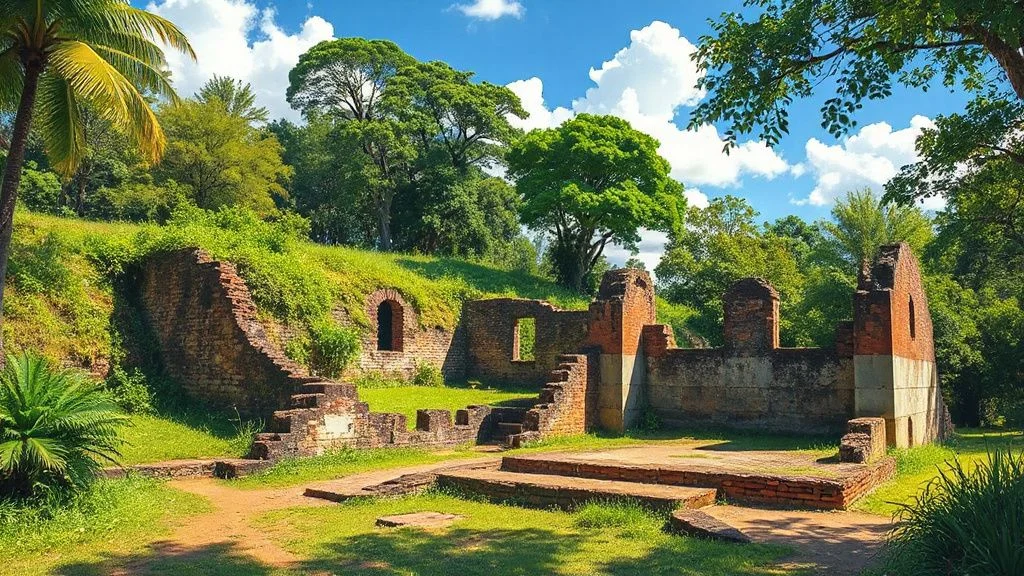
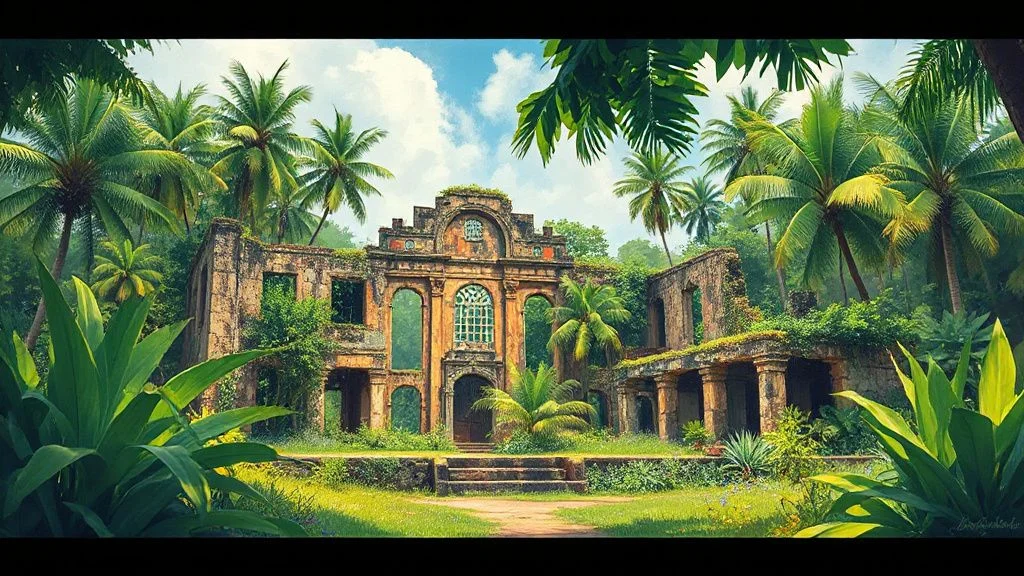
Jodensavanne, about 60 kilometres south of Paramaribo, was the first Jewish settlement in Suriname, founded in the 17th century. The community flourished at a time when Jews were moving from Europe to the New World in search of religious freedom and economic opportunity. The remains of this settlement are still visible, with the ruins of the synagogue and the old Jewish cemetery telling a rich history.
One of the most impressive aspects of Jodensavanne is the headstones in the cemetery, which often carry symbolic images and texts documenting the lives of the dead. These headstones are of historical importance and also of artistic importance, with distinctive designs that reflect Jewish culture.
Why Visit Jodensavanne?
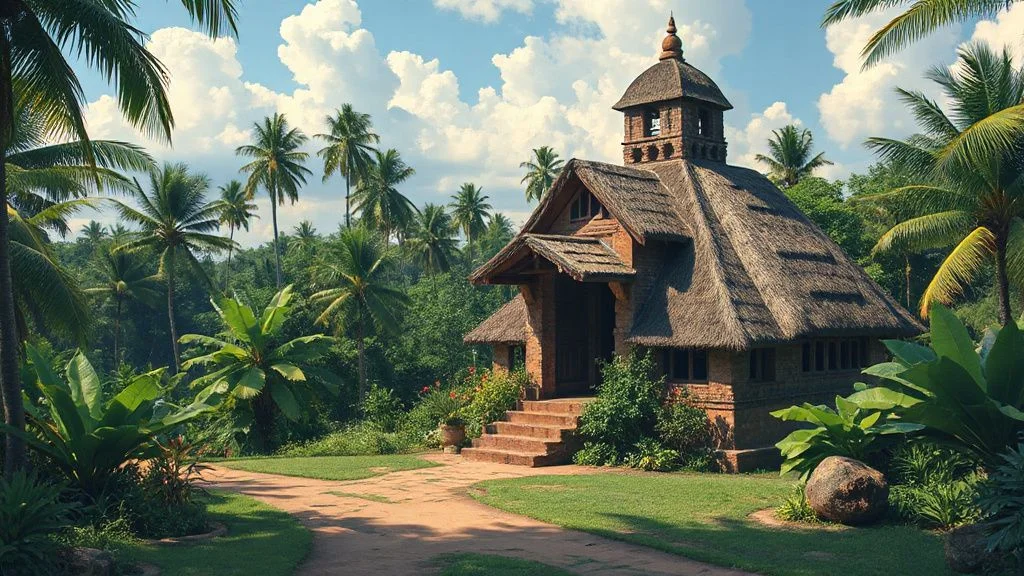
A visit to Jodensavanne offers more than just a view of history. The setting is striking as well, surrounded by lush nature and tropical flora. Tourists can enjoy a combination of culture, history and nature, which makes this destination distinctive.
Visitors can join guided tours that explain the history of the Jewish community in Suriname in detail and the part it played in the country's development. These tours also include various stops along the way, such as at a medicinal spring and at Colakreek, where you can swim and relax in natural surroundings.
Activities and Sights
- Historical tours: Various local operators organise tours to Jodensavanne, where expert guides share the rich history of the area.
- A visit to the cemetery: The Jewish cemetery is a highlight of the tour and offers a striking view of the history.
- Colakreek: A popular stop for swimmers, ideal for relaxing after a guided tour.
- Medicinal springs: Visit these springs for a distinctive experience in natural surroundings.
The Best Period to Visit
Suriname has a tropical climate, which means it is warm all year round, with temperatures between 27 and 32°C. The best time to visit Jodensavanne, however, depends heavily on the seasons.
There are two main seasons in Suriname: the rainy season (from April to August and from November to February) and the dry season (from February to April and from August to November). For a visit to Jodensavanne it is advisable to go during the dry season. This is the period when the chance of rain is much lower, which makes exploring the area easier.
In February and March the days are generally sunny and pleasant, which is ideal for outdoor activities such as walking and sightseeing. The dry season is also a good opportunity to enjoy the natural surroundings around Jodensavanne, such as the flora and fauna found in the area.
Activities by Season
Your choice of season can affect your experience at Jodensavanne. Here are a few considerations:
- Dry season: Excellent for exploring the ruins and the natural surroundings. The paths are more accessible, and the chance of seeing wildlife is greater.
- Rainy season: Visiting Jodensavanne is possible, but roads can be muddy and some activities may be limited. The rainy season has its charm nonetheless, with lush green nature.
Practical Tips for Your Visit
For a trouble-free and enjoyable experience at Jodensavanne, here are some tips:
- Transport: Renting a car is a practical way to reach Jodensavanne. There are also organised tours that provide transport from Paramaribo, which is a convenient option for travellers without their own vehicle.
- Guides: Consider hiring a local guide who specialises in the history of Jodensavanne. That can enrich your experience by sharing deeper insight and stories you would otherwise miss.
- Look after your safety: Jodensavanne is generally a safe place to visit, but it is always good to stay alert and keep valuables safely stored.
- Bring enough water: Make sure you bring plenty of water, particularly if you plan to walk in the hot sun.
- Respect the culture: It is important to show respect for the historical and cultural value of the site. Follow your guide's instructions and do not leave waste behind.
What Expatriates Should Know
If you are an expat or staying in Suriname for a longer period, here are a few additional tips worth considering:
- Local events: Allow for local festivals and events taking place around the time of your visit. These can be an excellent chance to learn more about Surinamese culture and history.
- Networking: Make use of local networks and social media to get in touch with other expatriates or local residents who can tell you more about Jodensavanne and other sights in the area.
- Logistics: Make sure you plan your trip in advance, particularly during the high season when it can be busier. It is advisable to book accommodation and transport well ahead.
Conclusion
A visit to Jodensavanne is a distinctive chance to experience the rich history and culture of the Jewish community in Suriname. By allowing for the best periods to visit and following practical tips, you can make the most of your trip. Whether you are interested in history, in nature or simply looking for a distinctive experience, Jodensavanne offers all of it.
Plan your visit carefully, and let the beauty and heritage of this remarkable place inspire and enrich you.