The historic inner city of Paramaribo, Suriname's capital, is a distinctive piece of cultural heritage whose value has been recognised through its inscription on the UNESCO World Heritage list. This city, with its rich history, architectural diversity and lively culture, offers visitors a fascinating view of the country's colonial and post-colonial history. This article looks at the main features of the inner city, its history, its cultural significance, and practical tips for travellers wanting to explore this remarkable place.
A Look at the History
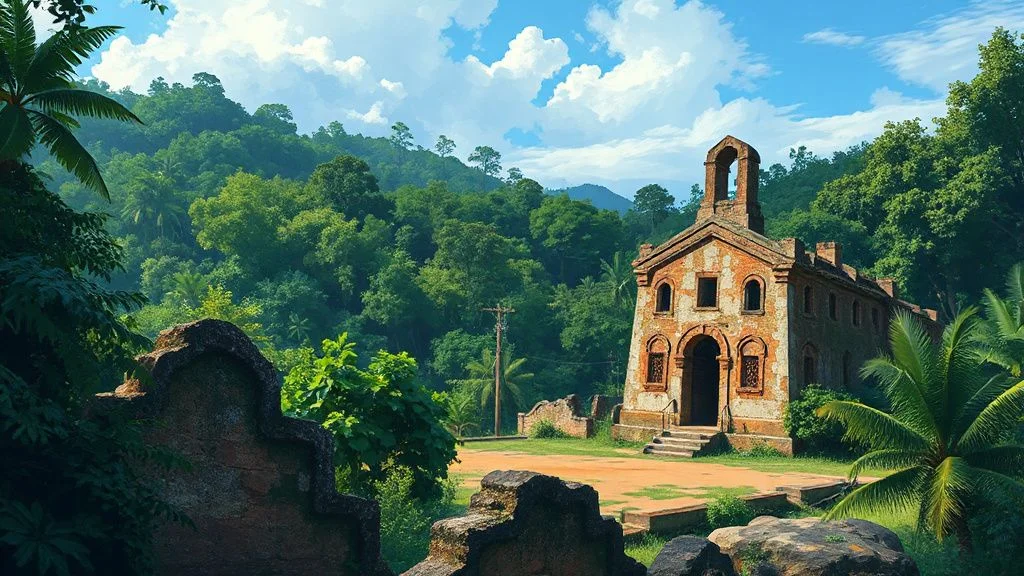
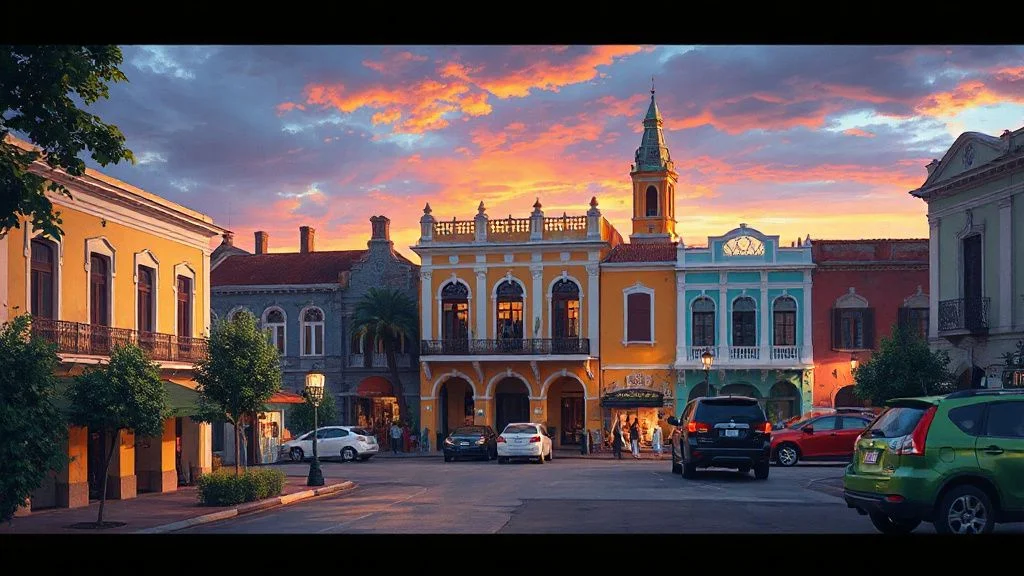
Paramaribo has played a central part in Suriname's history since its founding. The city has a diverse population, with influences from the indigenous population and from Europeans, Africans and Asians, which makes for a rich cultural mix. The architecture of the inner city reflects that diversity, with colonial buildings built in various styles, from neoclassical to art deco.
UNESCO World Heritage status
The historic inner city of Paramaribo is recognised as UNESCO World Heritage. That recognition follows from the distinctive combination of architecture, culture and history the city has to offer. The status underlines the need to protect and preserve this valuable cultural site for future generations. The buildings in the inner city are important not only for their aesthetic value; they also tell the story of the various communities that shaped Suriname.
Important Sights
The inner city of Paramaribo offers a wealth of sights worth exploring. Below are some of the most notable buildings and places that visitors really should not miss.
St. Peter and Paul Cathedral
This impressive cathedral, built in the late 19th century, is an important symbol of Suriname's religious diversity, where different faiths exist side by side. The interior is decorated with fine wooden detail and stained-glass windows. Inside, visitors can experience a sense of calm and admire the fine craftsmanship.
Fort Zeelandia
Fort Zeelandia played an important part in defending Paramaribo against attacks by other colonial powers. The fort now houses a museum that sets out Suriname's history, including the period of slavery and the independence movement. A visit to the fort offers not only a view of the past but also fine views over the Suriname River.
The Waterkant
The Waterkant is a lively boulevard along the Suriname River, where visitors can enjoy the local atmosphere. Here you will find various places to eat and market stalls serving traditional Surinamese dishes. It is an ideal place to relax and take in the local culture. The Waterkant is also a popular place for events and festivities.
Culture and Events
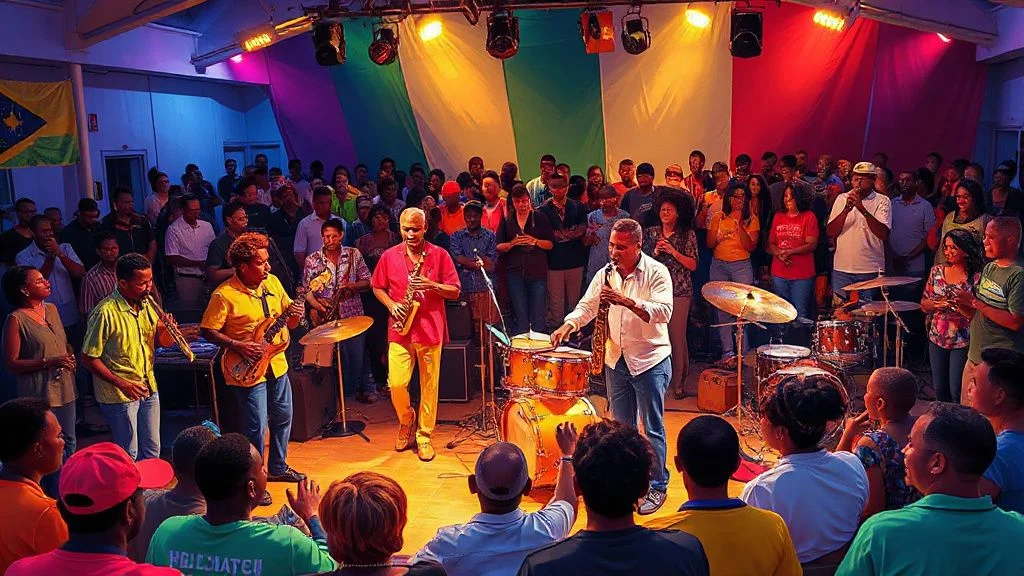
The historic inner city of Paramaribo is not only a place of architectural beauty but also a centre of culture and tradition. The annual festival celebrated by the Hindustani community draws many visitors and residents into the city's streets.
Keti Koti
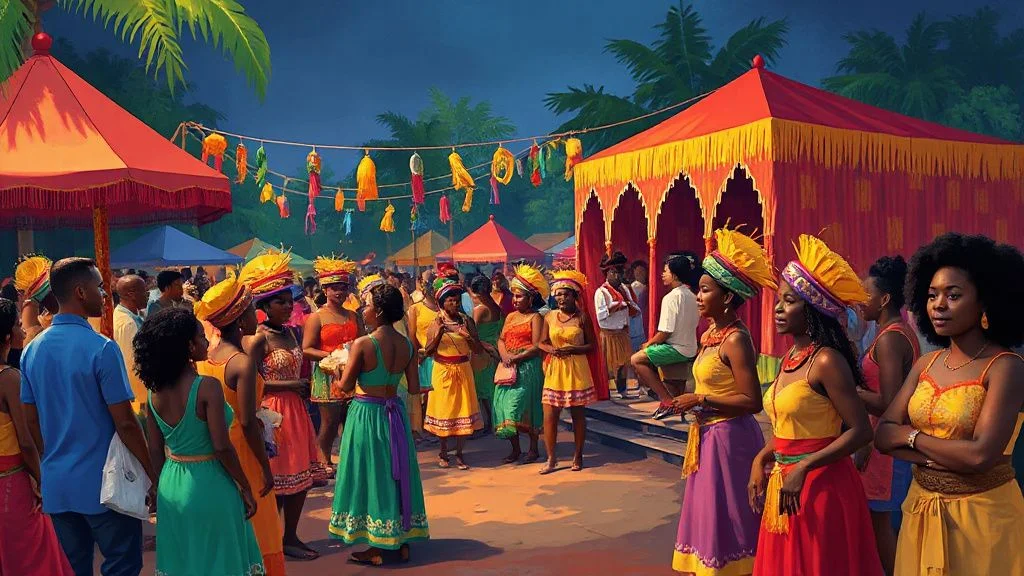
Keti Koti is Suriname's most important national holiday. It is a time of reflection, celebration and community. During this festival there are parades, cultural performances and traditional dishes. Visitors are encouraged to take part in the festivities and experience Suriname's rich history.
Phagwa
Phagwa, the Hindustani festival of Holi, is known for its colourful celebrations in which people sprinkle one another with coloured powder. The celebration symbolises the arrival of spring and the victory of good over evil. It is a festival of joy and togetherness, where visitors can enjoy music, dance and excellent food.
Practical Tips for Visitors
For travellers wanting to explore the historic inner city of Paramaribo, here are some practical tips to make for a smooth and enjoyable visit.
Transport and Access
The inner city of Paramaribo is easy to reach by public transport, by taxi and even on foot, since many of the main sights are close together. For an authentic experience, visitors might consider hiring a local guide who can give them valuable information and context about the city's history and culture.
Respect for Culture and Traditions
When visiting religious places such as St. Peter and Paul Cathedral it is important to dress respectfully. That often means covering shoulders and knees. It is also worth knowing that photography may be restricted in some churches and at certain cultural events. Always ask permission if you want to photograph people, particularly during ceremonies and festivals.
What Expats Should Know
Expats living in or visiting Paramaribo can make use of a few insider tips to enrich their experience.
Taste the Local Cuisine
Surinamese cooking is a melting pot of flavours and cultures. Try local dishes such as roti, pom, and various fish and meat dishes. Visit local restaurants and places to eat for an authentic food experience. The Waterkant is an excellent place to try these dishes, often freshly prepared and served with fine views over the river.
Explore the Local Market
The Central Market of Paramaribo is a must-visit for any traveller. Here you will find an abundance of fresh produce, spices and crafts. It is the ideal place to buy souvenirs and experience the local culture at close quarters. Do not forget to talk to the local traders and learn more about their products and traditions.
The historic inner city of Paramaribo offers a distinctive combination of history, culture and natural beauty. With its UNESCO World Heritage status and a range of sights, events and food experiences, it is a destination travellers should not miss. Given the rich history and the diverse cultural influences that shaped the city, a visit to Paramaribo will leave a lasting impression.
Conclusion
The historic inner city of Paramaribo is a valuable piece of world heritage that offers its visitors a view of Suriname's rich history and culture. From the fine architecture and important museums to the lively festivals and excellent food, there is something for everyone. In exploring this city, visitors will enjoy not only its beauty but also the depth of the cultural diversity Suriname has to offer.