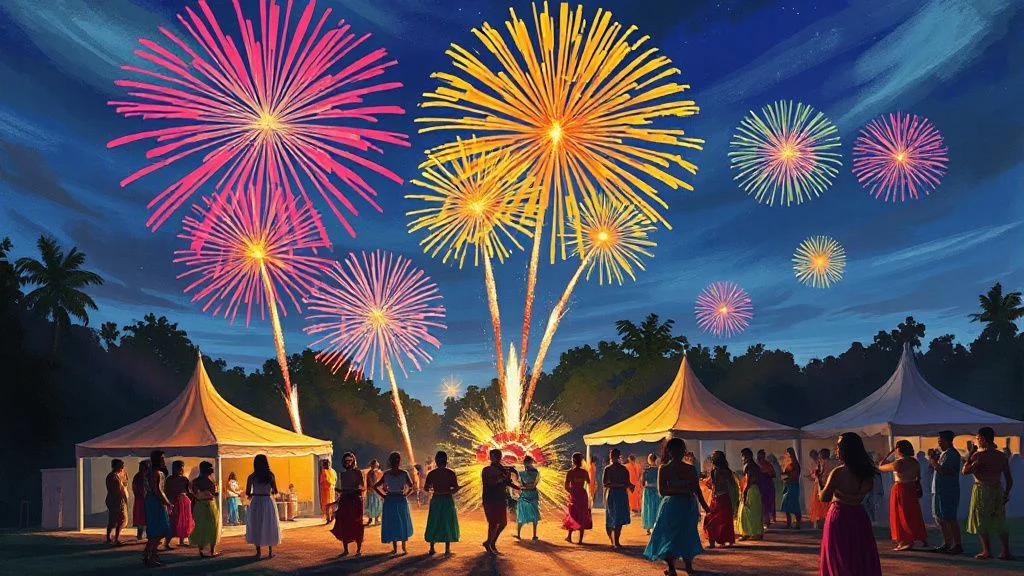
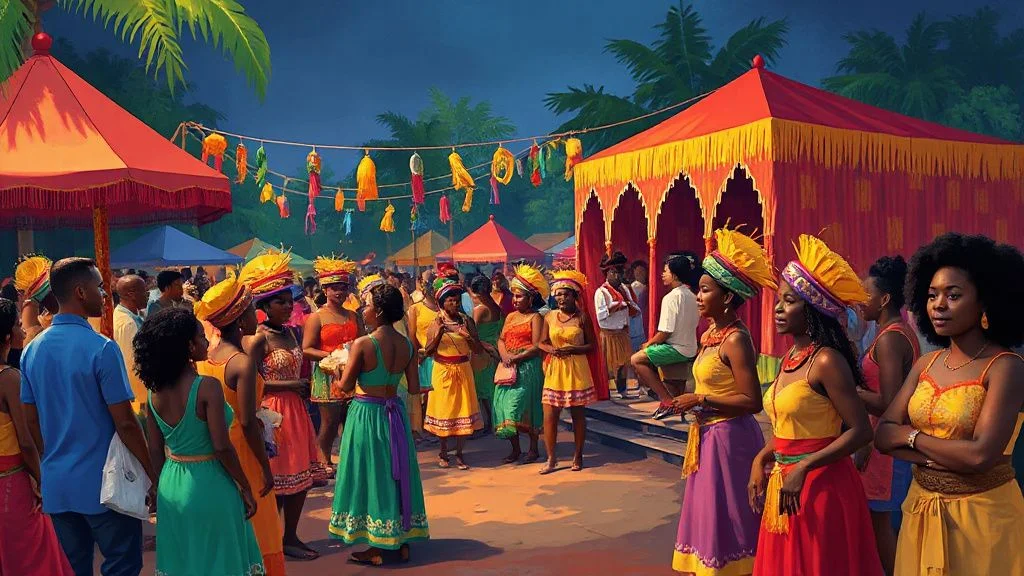
Suriname is a tapestry of cultures, woven together through its rich history and diverse population. Among the many celebrations that reflect this multicultural heritage, Keti Koti stands out as the most significant public holiday. This article delves into Keti Koti and other important public holidays in Suriname, providing visitors with insights into the traditions, events, and etiquette surrounding these vibrant celebrations.
Keti Koti: The Abolition of Slavery
Keti Koti commemorates the abolition of slavery in Suriname. This day is a poignant reminder of the struggles faced by enslaved people and their descendants. The name "Keti Koti" translates to "the chain is cut," symbolizing freedom and the end of oppression. The holiday is marked by various events, including parades, cultural performances, and communal gatherings, where people reflect on the past and celebrate the resilience of their ancestors.
During Keti Koti, the streets of Paramaribo come alive with music, dance, and vibrant displays of traditional attire. The celebration often features drumming, storytelling, and the sharing of traditional dishes, such as pom and roti. Visitors are encouraged to participate in these festivities, as they offer a unique opportunity to experience the warmth and hospitality of Surinamese culture. Engaging with locals during this time can provide deeper insights into the significance of the holiday and the history it represents.
Phagwa: The Festival of Colors
Phagwa, also known as Holi, is celebrated by the Hindustani community in Suriname. This vibrant festival marks the arrival of spring and is characterized by the playful throwing of colored powders and water. Phagwa is a time for joy, renewal, and the celebration of love and friendship. The festival's origins can be traced back to Hindu mythology, where it symbolizes the victory of good over evil.
During Phagwa, communities come together to sing, dance, and enjoy traditional foods. Visitors can join in the festivities, but it is essential to dress in clothes that can get stained, as the colored powders can be challenging to wash out. Participating in Phagwa offers a unique glimpse into the cultural practices of the Hindustani community and fosters connections with locals who are eager to share their traditions.
Diwali: The Festival of Lights
Diwali, or Divali, is another significant celebration for the Hindustani community. This festival of lights symbolizes the triumph of light over darkness and good over evil. Diwali is marked by the lighting of oil lamps, the decoration of homes with colorful rangoli, and the exchange of sweets and gifts among family and friends.
In Suriname, Diwali is celebrated with great enthusiasm, featuring community events, cultural performances, and religious ceremonies. Visitors can witness the beauty of illuminated streets and participate in local festivities, which often include traditional music and dance. Engaging with the Hindustani community during Diwali can enhance your understanding of their customs and the importance of this festival in their cultural identity.
Eid al-Fitr and Eid al-Adha: Celebrations of the Muslim Community
Eid al-Fitr and Eid al-Adha are significant religious holidays observed by the Javanese-Muslim and other Muslim communities in Suriname. Eid al-Fitr marks the end of Ramadan, the holy month of fasting, and is a time for communal prayers, feasting, and giving to charity. Eid al-Adha, also known as the "Festival of Sacrifice," commemorates the willingness of Ibrahim (Abraham) to sacrifice his son in obedience to God. This holiday involves the ritual sacrifice of animals and is a time for family gatherings and sharing meals.
During these celebrations, visitors may notice special prayers held at mosques and community centers, as well as festive meals shared among families and friends. It is respectful for visitors to dress modestly and to be mindful of the religious significance of these holidays. Engaging with the local Muslim community during Eid can provide valuable insights into their traditions and the importance of these celebrations in their lives.
Understanding Suriname's Multicultural Landscape
Suriname's population is a blend of various ethnic groups, contributing to the country's rich tapestry of traditions, languages, and customs. This diversity is reflected in the country's public holidays, each celebrating different cultural heritages and traditions. Understanding this multicultural landscape is essential for visitors looking to immerse themselves in the local culture.
Each ethnic group in Suriname contributes to the country's rich tapestry of traditions, languages, and customs. Visitors should be aware of the cultural nuances and practices of different communities, as this knowledge can enhance their travel experience and foster respectful interactions with locals.
Practical Tips for Visitors
When visiting Suriname during public holidays, there are several practical tips to keep in mind:
- Plan Ahead: Many businesses and services may close or operate on limited hours during public holidays. Check local schedules and plan your activities accordingly.
- Participate Respectfully: Engage in local celebrations with an open heart and mind. Be respectful of cultural practices and traditions, and follow any guidelines provided by locals.
- Dress Appropriately: For festivals like Phagwa and Diwali, wear clothing that can get stained or damaged. Modest attire is recommended for religious celebrations like Eid.
- Learn Basic Phrases: Familiarize yourself with a few phrases in Sranan Tongo or Dutch to enhance your interactions with locals. Simple greetings can go a long way in building rapport.
In conclusion, Suriname's public holidays, particularly Keti Koti, Phagwa, Diwali, and Eid, offer visitors a unique opportunity to experience the country's rich cultural heritage. By understanding the significance of these celebrations and engaging respectfully with local communities, travelers can create memorable experiences that deepen their appreciation for Suriname's vibrant multicultural landscape.