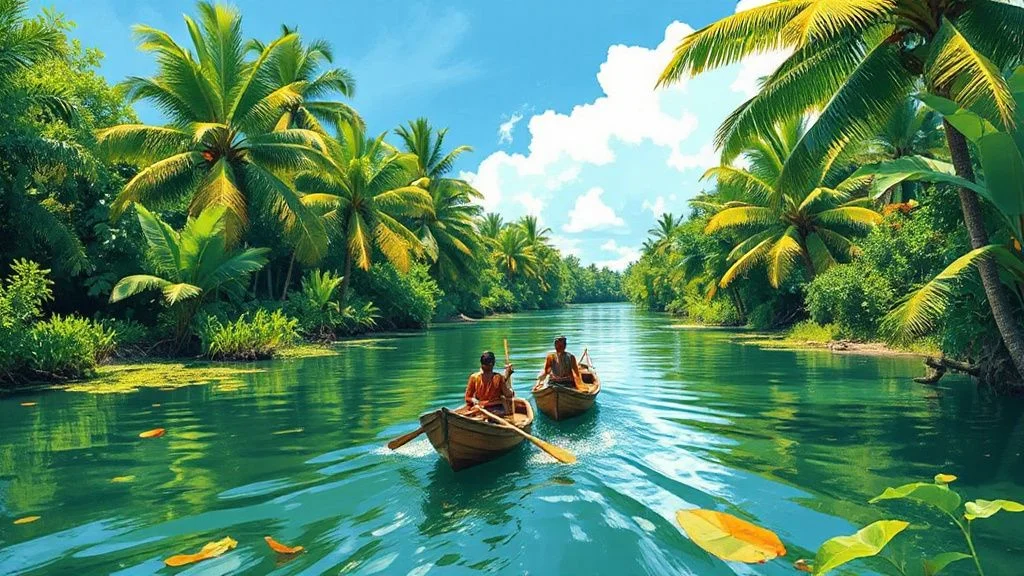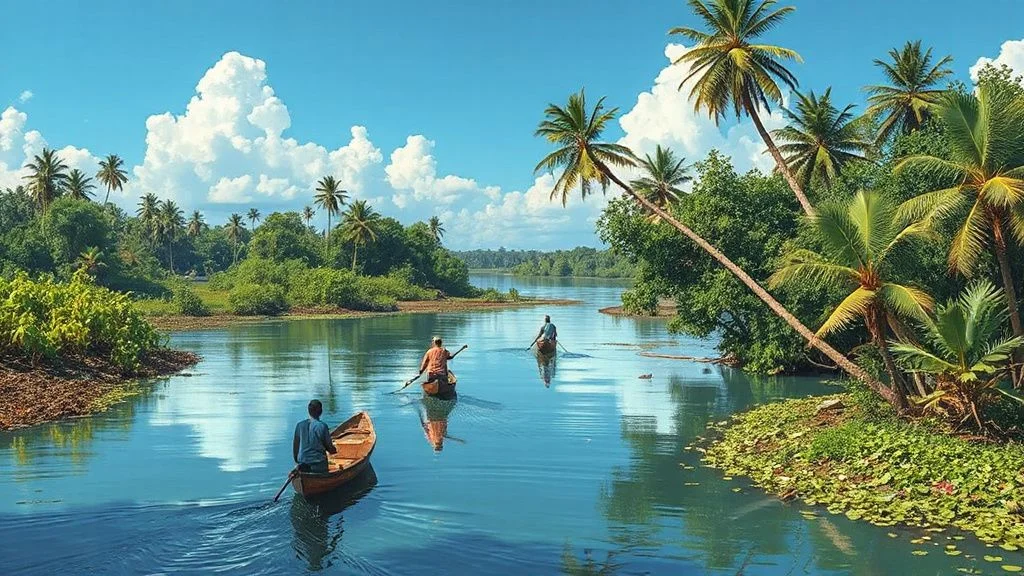
The Corantijn River, which forms the border between Suriname and Guyana, is not only an important waterway but also a source of livelihood for the local population. In this article we look at the ecology of the Corantijn, the various fish species caught there, and the effect this fishing has on the community.
The Corantijn River: An Important Waterway
The Corantijn River runs for about 724 kilometres, playing a central part in the region's ecosystem. The river begins in the mountains of Suriname and flows north to the Atlantic Ocean. The area around the Corantijn is rich in biodiversity, with dense forest and a variety of flora and fauna. The river itself is a lifeline for the communities living along its banks, where fishing is an essential part of how people make a living.
The Corantijn can be reached from various parts of Suriname, with Paramaribo as the main point of departure. Travellers can reach the river by local boat or on organised tours, which often also offer the chance to explore the local culture and natural surroundings. It is worth knowing that the best time to visit the river is usually during the dry season, from February to April and from August to November, when water levels are lower and access is easier.
Fish Species in the Corantijn
The Corantijn River is home to a variety of fish species that matter a great deal to the local population. Among the most common are salmon, snook and tilapia. These fish are important not only as a source of food but also to the local economy, since they are often traded at markets in the region.
Salmon, for instance, is a popular species often caught by local fishermen. This fish is known for its rich flavour and is often prepared in the traditional way. Snook is another species in high demand, often caught in the shallower waters of the river. Tilapia, which lives in fresh water, is also an important source of food and is often farmed in local ponds.
Traditional Fishing Methods
Residents along the Corantijn use various traditional methods to catch fish. Many fishermen use nets and lines, while others apply techniques such as fishing with bait or using traditional traps. These methods are often matched to the particular species and the seasons, which helps make the fishing sustainable.
It is also common for fishermen to share their catch with the community, which strengthens social cohesion. This sharing of food is an important part of the local culture and helps to strengthen the ties between residents.
The Economic Effect of Fishing
Fishing on the Corantijn has a considerable effect on the local economy. Fishermen sell their catch at local markets, where it is an important source of income for many families. The sale of fish contributes to the region's economic stability and provides work for many people.
There are also initiatives focused on sustainable fishing practice, which helps maintain fish populations and protect the river's ecology. That matters, given the pressure from commercial fishing and the environmental changes that threaten the Corantijn's biodiversity.
Tourism and Fishing
Tourism also plays a part in the Corantijn's fishing sector. More and more visitors come to explore the river, which brings growing demand for local fish dishes in restaurants and other places to eat. That offers an additional source of income for fishermen and their families, while also promoting the local culture and cuisine.
Tourists can join fishing excursions, where they have the chance to fish themselves and learn more about the traditional methods of the local population. Experiences of this kind strengthen the bond between visitors and the community and also contribute to keeping local traditions alive.
Practical Tips for Visitors
If you plan to visit the Corantijn River, here are some practical tips to keep in mind:
- The best time to visit: The dry seasons (February-April and August-November) are ideal for a visit, with better access and weather conditions.
- Transport: Consider hiring a local guide or joining organised tours to make the most of your experience.
- Respect for the culture: Be respectful towards local people and their traditions. Try local dishes and take part in community activities.
- Safety: Stay on the paths and follow your guide's instructions to stay safe in the natural surroundings.
Conclusion
The Corantijn River is a vivid and essential source of life for the local population of Suriname. Fishing plays a central part in the community's economy and culture. In exploring the distinctive fish species and traditional methods of catching them, visitors can enjoy not only the river's natural beauty but also experience the rich cultural traditions of its residents. A visit to the Corantijn is a worthwhile chance to understand and appreciate the connection between people and nature.
Last updated: November 2026