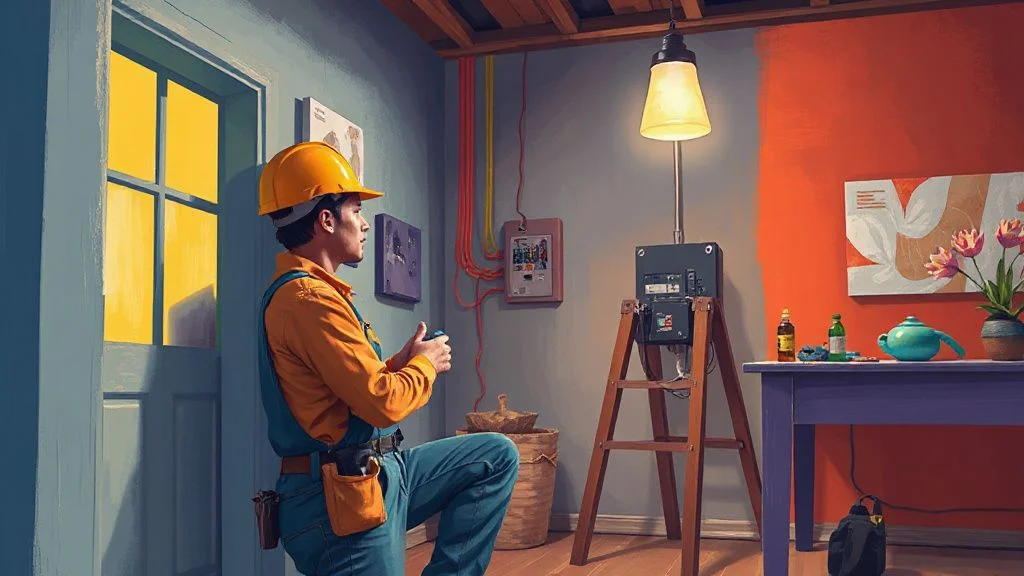
When planning a new electrical installation in Suriname, understanding who is authorized to certify that work is crucial for ensuring safety and compliance with Surinamese law. This article will explore the qualifications required for electricians in Suriname, the certification process, and practical tips for expatriates and locals alike.
Understanding Electrical Certification in Suriname
Electrical certification is a critical step in any new installation, ensuring that the work meets safety standards and complies with Surinamese law. In Suriname, the certification process is governed by the Ministry of Public Works, Transport, and Communication (Ministerie van Openbare Werken, Transport en Communicatie). This body sets the standards for electrical installations and oversees the licensing of electricians.
Typically, only licensed electricians who have completed the necessary training and certification can certify new electrical installations. This requirement is in place to protect both the property owner and the general public from potential hazards associated with faulty electrical work. The certification process involves a thorough inspection of the installation to verify that it adheres to the established safety codes.
Who is Qualified to Certify Electrical Installations?
In Suriname, the qualifications for certifying electrical installations generally include a combination of formal education, practical experience, and licensing. Electricians must typically complete a recognized training program, which may include both theoretical and hands-on components. This training often covers essential topics such as electrical theory, safety practices, and the installation standards they will have to work to.
Once they have completed their training, electricians usually must pass a licensing exam administered by the relevant authorities. This exam assesses their knowledge of electrical systems, safety regulations, and installation practices. Only after passing this exam can they obtain a license to operate as a certified electrician in Suriname.
It is important to note that not all electricians are qualified to certify installations. Some may specialize in specific areas, such as residential wiring or industrial systems, and may not have the necessary credentials to perform certification. Therefore, when seeking an electrician for a new installation, it is essential to verify their qualifications and ensure they are licensed to certify the work.
The Certification Process
The certification process for a new electrical installation in Suriname typically involves several key steps. First, the electrician must complete the installation according to the relevant safety codes and standards. Once the installation is complete, the electrician will conduct a thorough inspection to ensure everything is functioning correctly and safely.
After the inspection, the electrician will fill out a certification form, which includes details about the installation, such as the type of work completed, the materials used, and the date of the installation. This form must be submitted to the Ministry of Public Works for approval. The Ministry may conduct its inspection to verify that the work meets all necessary standards.
Once the installation is approved, the Ministry will issue a certification document, which serves as proof that the installation has been inspected and meets safety standards. This document is essential for homeowners and businesses, as it may be required for insurance purposes or when selling the property.
Common Challenges in the Certification Process
While the certification process is designed to ensure safety and compliance, there can be challenges that both electricians and property owners face. One common issue is the lack of clarity about what the rules require. New expatriates or those unfamiliar with Suriname's electrical codes may find it challenging to navigate the certification process.
Additionally, some electricians may not have the most up-to-date knowledge of the latest safety standards or may not be familiar with specific requirements for certain types of installations. This gap in knowledge can lead to delays in the certification process or, worse, unsafe installations.
To mitigate these challenges, property owners should take the time to find out what applies in Suriname and seek out electricians with a solid reputation and proven experience in the field. Asking for references and checking online reviews can help ensure that you are hiring a qualified professional.
What Expats Should Know
For expatriates living in Suriname, understanding the local electrical certification process is vital for ensuring the safety of their homes and businesses. Here are some practical tips to keep in mind:
- Check What Applies in Suriname: Familiarize yourself with the electrical codes and regulations in Suriname. This knowledge will help you understand what to expect during the certification process and ensure that your installation complies with local standards.
- Hire Qualified Electricians: When selecting an electrician, ensure they are licensed and have experience with the type of installation you require. Ask for proof of their qualifications and inquire about their previous work.
- Request a Detailed Quote: Before hiring an electrician, request a detailed quote that outlines the scope of work, materials to be used, and estimated completion time. This transparency will help prevent misunderstandings later in the process.
- Stay Involved: Stay engaged throughout the installation process. Regular communication with your electrician will help you stay informed about progress and any potential issues that may arise.
- Verify Certification: Once the installation is complete, ensure that the electrician provides you with the certification document. This document is essential for your records and may be required for insurance or resale purposes.
Conclusion
Understanding who can certify a new electrical installation in Suriname is crucial for ensuring safety and compliance with Surinamese law. Licensed electricians who have completed the necessary training and passed the required exams are typically the only professionals authorized to certify electrical work. By familiarizing yourself with the certification process and hiring qualified electricians, you can ensure that your electrical installations are safe and compliant. For expatriates, taking the time to find out what applies and to maintain open communication with your electrician will help you navigate the process smoothly, ultimately leading to a safe and efficient electrical system in your home or business.
Last updated: November 2026