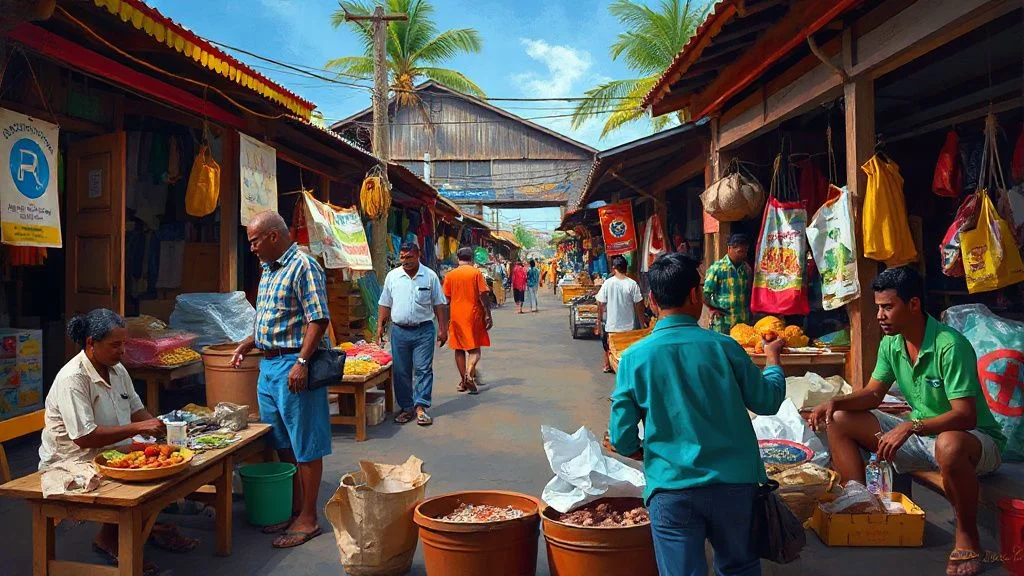
When engaging tradesmen in Suriname, understanding the implications of working without a written quote is crucial for both locals and expatriates. This article delves into who may operate in this manner, the potential risks involved, and practical advice for ensuring a smooth experience when hiring services. Whether you're looking for home repairs, landscaping, or other trades, knowing the ins and outs can help you navigate the local market effectively.
Understanding the Context of Tradesmen in Suriname
Suriname, with its rich cultural diversity and growing economy, has a vibrant community of tradesmen offering various services. From electricians and plumbers to carpenters and landscapers, these professionals play a vital role in maintaining and enhancing homes and businesses. However, the practice of working without a written quote can be common in certain situations, particularly in informal settings.
In many cases, tradesmen may not provide a formal written quote for small jobs or urgent repairs. This can be due to a variety of reasons, including the nature of the work, the urgency of the situation, or the informal nature of the tradesman’s business. For expatriates unfamiliar with local customs, this can lead to confusion and potential misunderstandings regarding pricing and service expectations.
Who Can Work Without a Written Quote?
Typically, anyone providing a service can work without a written quote, especially in informal settings. This includes independent tradesmen, small business owners, and even individuals offering their skills on a freelance basis. In Suriname, many tradesmen operate on a word-of-mouth basis, relying on personal relationships and trust rather than formal contracts.
For instance, a local plumber may be called to fix a leaking pipe and may provide a verbal estimate based on the job's urgency and complexity. In such cases, it is essential for the homeowner or client to clarify the expected costs and scope of work before any service begins. This verbal agreement can serve as a basis for understanding, but it lacks the legal protection that a written quote would provide.
The Risks of Not Having a Written Quote
Engaging a tradesman without a written quote carries several risks. One of the primary concerns is the potential for misunderstandings regarding pricing. Without a documented agreement, clients may find themselves facing unexpected charges once the work is completed. This can lead to disputes and dissatisfaction, particularly if the final bill exceeds the initial verbal estimate.
Additionally, without a written quote, there is little recourse if the work is subpar or if the tradesman fails to complete the job. In Suriname, where legal recourse can be complicated and time-consuming, having a written agreement can provide peace of mind and a clear path for resolution if issues arise.
Practical Advice for Engaging Tradesmen
When hiring tradesmen in Suriname, especially those who may not provide written quotes, there are several practical steps you can take to protect yourself and ensure a positive experience. Here are some actionable tips:
- Ask for Recommendations: Before hiring a tradesman, seek recommendations from locals or expatriates who have had positive experiences. This can help you find reliable professionals who are known for their quality work.
- Clarify Expectations: When discussing the job, be clear about your expectations regarding the scope of work, materials to be used, and timelines. This will help minimize misunderstandings later on.
- Request a Rough Estimate: Even if a tradesman does not provide a formal written quote, ask for a rough estimate of costs. This can be a verbal agreement, but ensure both parties understand the terms.
- Document Everything: Keep a record of all communications, including text messages or emails, that outline the agreed-upon terms. This can serve as a reference point if disputes arise.
- Negotiate Payment Terms: Discuss payment terms upfront. Some tradesmen may require a deposit before starting work, while others may prefer payment upon completion. Agree on these terms to avoid confusion.
- Inspect Work Before Payment: Once the job is completed, inspect the work thoroughly before making the final payment. Ensure that it meets your expectations and that any agreed-upon tasks have been completed.
Understanding Local Customs and Practices
In Suriname, the approach to trades and services can differ significantly from what expatriates may be accustomed to in their home countries. Understanding these local customs can enhance your experience and help you navigate the market more effectively.
For example, many tradesmen in Suriname may not have formal business licenses or certifications, especially in informal sectors. While this does not necessarily reflect the quality of their work, it is essential to assess their skills and experience through personal recommendations or previous work examples. Engaging with tradesmen who have established reputations in the community can provide reassurance.
Cultural Nuances in Communication
Communication styles in Suriname can also differ from those in Western cultures. Many locals value personal relationships and may prefer face-to-face discussions over formal contracts. Building rapport with tradesmen can lead to better service and a more positive experience. Take the time to engage in casual conversation, as this can foster trust and open communication.
Additionally, be aware that timeframes may be more flexible in Suriname. While you may expect a job to be completed within a specific timeframe, local tradesmen may have different priorities or schedules. Patience and understanding can go a long way in ensuring a harmonious working relationship.
What Expats Should Know
As an expatriate in Suriname, navigating the local trades market can be challenging but rewarding. Here are some key takeaways to keep in mind:
- Research the National Rules: Familiarize yourself with any national regulations or requirements regarding trades and services. This can help you understand what to expect and ensure compliance with Surinamese law.
- Be Cautious with Payments: When making payments, consider using secure methods. Avoid paying large sums upfront, and instead, negotiate a fair deposit if necessary.
- Learn Basic Phrases: Learning a few basic phrases in Dutch or Sranan Tongo can enhance your communication with tradesmen and show respect for local culture.
- Trust Your Instincts: If something feels off during the hiring process, trust your instincts. It’s okay to walk away and seek another tradesman if you feel uncomfortable.
Conclusion
Engaging tradesmen in Suriname without a written quote can be a common practice, but it comes with its risks. Understanding who may operate in this manner and taking proactive steps can help expatriates navigate the local market confidently. By seeking recommendations, clarifying expectations, and documenting agreements, you can protect yourself and ensure a positive experience when hiring services. Embracing local customs and communication styles can further enhance your interactions, making your time in Suriname more enjoyable and fulfilling.