As solar energy gains popularity in Suriname, many homeowners and businesses are considering the installation of solar panels. However, understanding who is qualified to fit these panels on your roof is crucial for ensuring a safe and efficient installation. This article will explore the qualifications, certifications, and considerations for selecting a solar installer in Suriname, along with practical tips for a successful installation.
Understanding Solar Panel Installation
Solar panel installation involves several steps, including site assessment, system design, installation, and maintenance. Each of these steps requires specific skills and knowledge, making it essential to hire qualified professionals. In Suriname, the tropical climate and unique building styles also necessitate a tailored approach to solar panel installation.
What Does a Solar Installer Do?
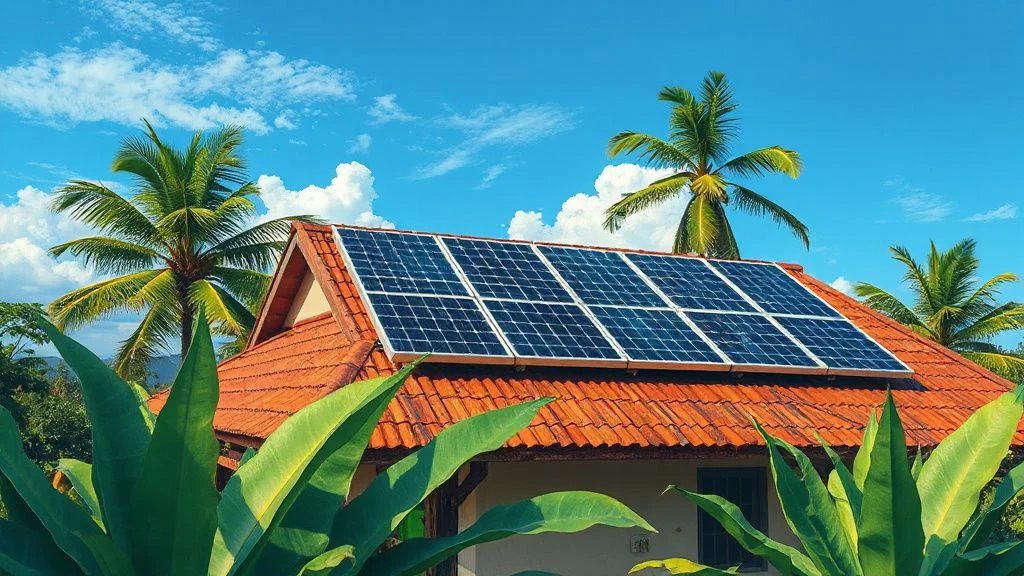
A solar installer is responsible for assessing your property, designing a solar energy system that meets your energy needs, and physically installing the solar panels. This includes mounting the panels on your roof, connecting them to the electrical system, and ensuring compliance with the Electriciteitswet 2016 (S.B. 2016 no. 42), which the Energie Autoriteit Suriname (EAS) supervises, and the safety standards set under it. A qualified installer will also provide guidance on system maintenance and troubleshooting.
Types of Solar Installers
There are generally two types of solar installers: independent contractors and companies specializing in solar energy solutions. Independent contractors may offer more personalized service, but it’s essential to verify their qualifications and experience. On the other hand, established solar companies often have a team of certified professionals and a proven track record, which can provide peace of mind.
Qualifications and Certifications
In Suriname, there are no specific national regulations governing solar panel installation; however, several international certifications can indicate a qualified installer. Look for installers who have certifications from recognized organizations, such as the North American Board of Certified Energy Practitioners (NABCEP) or similar entities. These certifications demonstrate that the installer has undergone rigorous training and adheres to industry best practices.
Local Knowledge and Experience
In addition to certifications, it’s crucial to choose an installer with local knowledge. Suriname's climate, characterized by high humidity and heavy rainfall, can impact the performance and longevity of solar panels. An experienced local installer will understand how to position panels to maximize sunlight exposure while minimizing potential damage from weather conditions. They will also be familiar with the national building regulations, ensuring a compliant installation.
Insurance and Warranties
Before hiring a solar installer, verify that they carry liability insurance and worker’s compensation. This protects you from potential liabilities in case of accidents during installation. Additionally, inquire about warranties on both the installation work and the solar panels themselves. A reputable installer will offer warranties that cover both materials and workmanship, providing you with added security for your investment.
Finding a Trusted Solar Installer in Suriname
Finding a reliable solar installer in Suriname can be challenging, especially for expats unfamiliar with the local market. Start by seeking recommendations from friends, family, or colleagues who have installed solar panels. Online forums and social media groups focused on sustainable living in Suriname can also be valuable resources for finding trusted providers.
Conducting Interviews
Once you have a list of potential installers, conduct interviews to gauge their expertise and customer service. Ask about their experience with solar installations in Suriname, their approach to project management, and how they handle potential challenges. A good installer will be transparent about their process and willing to answer your questions thoroughly.
Requesting Quotes
After narrowing down your options, request detailed quotes from at least three installers. Ensure that the quotes include a breakdown of costs, timelines, and the specific components of the solar system. This will help you compare offers and make an informed decision. Be cautious of quotes that seem significantly lower than others, as they may indicate subpar materials or workmanship.
Preparing for Installation
Once you’ve selected a solar installer, it’s time to prepare for the installation process. This involves several steps to ensure a smooth experience and optimal performance of your solar energy system.
Site Assessment
Your installer will conduct a site assessment to evaluate your roof's suitability for solar panels. This includes checking the roof's orientation, angle, and structural integrity. They will also assess any potential shading from trees or nearby buildings that could impact solar energy production. Make sure to address any concerns about your roof’s condition before installation begins.
Permits and Regulations
While Suriname may not have strict regulations regarding solar installations, it’s still essential to check if any local permits are required. Your installer should handle this process, but it’s good to stay informed. Ensure that all necessary permits are obtained before installation to avoid any legal issues down the line.
Post-Installation Considerations
After your solar panels are installed, there are several important considerations to keep in mind to ensure the longevity and efficiency of your system.
Regular Maintenance
Solar panels require minimal maintenance, but regular checks are essential to ensure they operate efficiently. This includes cleaning the panels to remove dust and debris, especially during the dry season when dust can accumulate. Additionally, monitor your energy production to identify any significant drops that may indicate a problem. Your installer should provide guidance on maintenance practices and may offer maintenance services as part of their package.
Monitoring Performance
Many modern solar systems come with monitoring tools that allow you to track energy production in real-time. This can help you understand your energy usage patterns and optimize your consumption. If your system is underperforming, contact your installer for troubleshooting assistance. Keeping an eye on your system's performance can help you maximize your investment in solar energy.
Practical Tips for Expats
As an expat in Suriname, navigating the local market for solar installations can be daunting. Here are some practical tips to help you through the process:
- Learn Local Terms: Familiarize yourself with local terminology related to solar energy and installation. This will help you communicate effectively with your installer and understand the technical aspects of your system.
- Network with Locals: Engage with local communities and expat groups to gather insights and recommendations on trusted solar installers. Personal experiences can guide you in making informed decisions.
- Be Culturally Sensitive: Understand that business practices may differ from what you are used to. Patience and open communication can go a long way in establishing a good working relationship with your installer.
In conclusion, selecting a qualified solar installer in Suriname requires careful consideration of their qualifications, experience, and local knowledge. By following the steps outlined in this article, you can ensure a smooth installation process and enjoy the benefits of solar energy in your home or business. Remember to conduct thorough research, ask the right questions, and maintain open communication with your chosen installer to maximize your investment in solar technology.