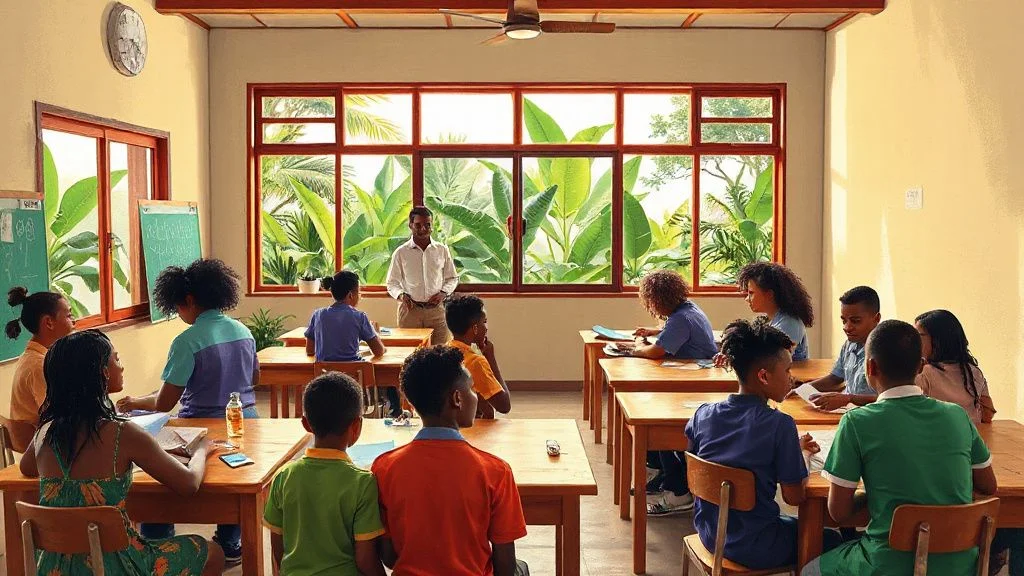
For newcomers to Suriname, learning Dutch can be an essential step in integrating into the local culture and community. As the official language, Dutch is widely spoken in government, education, and daily life. This article explores who can teach Dutch at language schools in Suriname, the qualifications they typically hold, and what newcomers should know about the language learning process.
Understanding the Language Education Landscape in Suriname
Suriname's language education system is diverse, reflecting its multicultural society. Various language schools offer Dutch language courses tailored to different proficiency levels, from beginners to advanced speakers. These institutions often employ a mix of local and expatriate teachers, each bringing unique perspectives and teaching styles to the classroom.
Language schools in Suriname are typically located in urban areas, with many concentrated in Paramaribo, the capital. These schools may offer a range of courses, including intensive programs, evening classes, and private tutoring. The flexibility in scheduling allows newcomers to choose options that best fit their lifestyle and commitments.
Who Can Teach Dutch?
Teaching Dutch in Suriname is not limited to native speakers. While many teachers are indeed fluent in Dutch as their first language, several factors contribute to who may teach at language schools. Here are some common profiles of Dutch language instructors:
1. Native Dutch Speakers
Native speakers of Dutch often have a deep understanding of the language's nuances, idioms, and cultural references. Many of these teachers may have relocated to Suriname for work or personal reasons and are passionate about sharing their language and culture with newcomers. Their firsthand experience of living in Suriname can provide valuable insights into the local context, making lessons more relatable and engaging.
Native speakers typically hold degrees in education or linguistics, which equips them with the pedagogical skills necessary for effective teaching. They are often familiar with various teaching methodologies, enabling them to cater to different learning styles.
2. Bilingual Educators
Many language schools also employ bilingual educators who are fluent in both Dutch and another language, such as Sranan Tongo or English. These instructors can bridge the gap for students who may feel more comfortable learning in their native language initially. Bilingual teachers can explain complex grammatical concepts and vocabulary in a way that resonates with students, making the learning process smoother.
These educators often have experience teaching in multicultural environments, which can enhance their ability to connect with students from diverse backgrounds. They may also incorporate cultural elements from both languages into their lessons, enriching the learning experience.
3. Experienced Language Instructors
In addition to native speakers and bilingual educators, many language schools hire instructors with extensive experience teaching Dutch as a second language. These teachers may come from various backgrounds, including linguistics, education, or even other fields. Their expertise in language acquisition allows them to design effective curricula and adapt their teaching methods to meet the needs of their students.
Experienced instructors often use a communicative approach, focusing on practical language use rather than rote memorization. This method encourages students to engage in conversations, practice speaking, and develop their listening skills in real-life scenarios.
Qualifications and Training
While there is no single certification required to teach Dutch in Suriname, many language schools prefer instructors with specific qualifications. Common qualifications include:
1. Teaching Degrees
Many language schools look for teachers with formal education in teaching or linguistics. A degree in education provides a solid foundation in pedagogy, classroom management, and curriculum development. Teachers with such qualifications are often better equipped to handle the challenges of language instruction.
2. Language Teaching Certifications
Certifications in teaching Dutch as a second language can enhance a teacher's employability. These certifications demonstrate a teacher's commitment to professional development and their understanding of effective language teaching methodologies. Various organizations offer training programs that focus on teaching Dutch to non-native speakers, covering topics such as lesson planning, assessment, and cultural sensitivity.
Cultural Insights and Language Learning
Learning Dutch in Suriname goes beyond mastering vocabulary and grammar; it involves understanding the cultural context in which the language is spoken. Teachers often incorporate cultural elements into their lessons, helping students navigate social norms, customs, and etiquette. For example, understanding how to greet someone in a culturally appropriate manner can significantly enhance a newcomer’s social interactions.
Moreover, instructors may share local expressions and colloquialisms that are commonly used in everyday conversations. This exposure to authentic language use can help students feel more comfortable and confident when speaking with locals.
Practical Tips for Newcomers
As a newcomer, embarking on the journey of learning Dutch can be both exciting and challenging. Here are some practical tips to enhance your language learning experience:
1. Choose the Right Language School
Research various language schools in Paramaribo and consider factors such as class size, teaching style, and course offerings. Some schools may specialize in intensive courses, while others may focus on conversational skills. Reading reviews and seeking recommendations from other expats can help you find a school that aligns with your learning goals.
2. Engage with the Community
Practice makes perfect, and engaging with the local community can provide valuable opportunities to use your language skills. Attend local events, join clubs, or participate in cultural activities where you can interact with native speakers. This immersion will not only improve your language proficiency but also help you build connections and friendships.
3. Utilize Online Resources
In addition to formal classes, consider using online resources to supplement your learning. Language learning apps, websites, and online courses can provide additional practice and exposure to the language. Many of these resources offer interactive exercises, vocabulary quizzes, and even conversation practice with native speakers.
Conclusion
Teaching Dutch in Suriname is a multifaceted endeavor, involving native speakers, bilingual educators, and experienced instructors. Each brings unique strengths to the classroom, enriching the language learning experience for newcomers. By understanding the qualifications of teachers and the cultural context of the language, newcomers can make informed decisions about their language education. Engaging with the local community and utilizing various resources can further enhance the learning journey, making it a rewarding experience. Embrace the opportunity to learn Dutch, and you will find it opens doors to deeper connections and a more fulfilling life in Suriname.