Building an extension to your home in Suriname can be an exciting venture, especially if you're looking to create more space or enhance your property’s value. However, understanding who is qualified to undertake such a project is crucial. This article will guide you through the types of contractors available, the skills they should possess, and the regulations that govern building extensions in Suriname.
Understanding the Role of Contractors
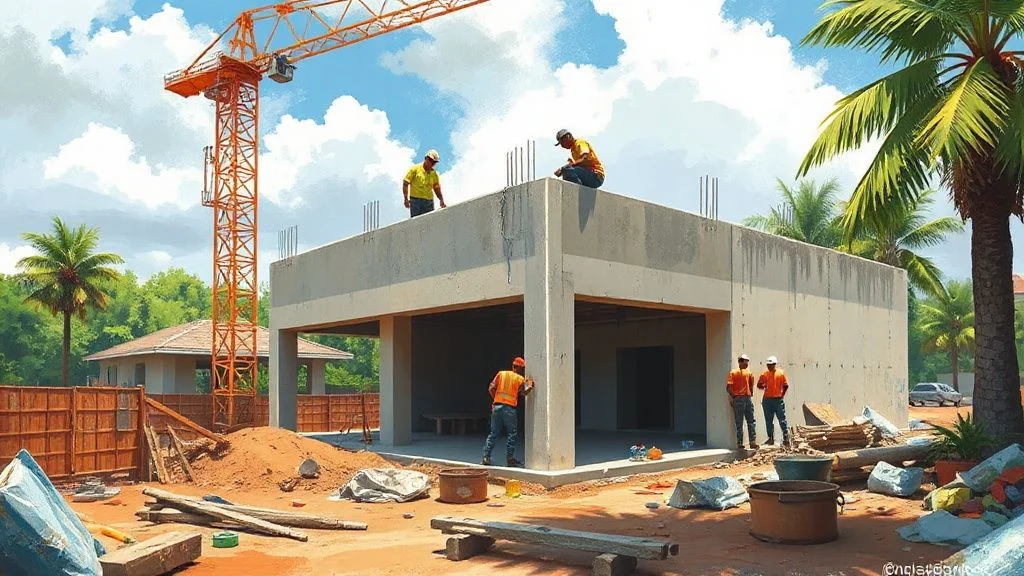
Contractors are essential to any construction project, including building extensions. They are responsible for managing the entire process, from planning and obtaining permits to hiring subcontractors and overseeing the construction work. In Suriname, several types of contractors may be involved in building a concrete extension, each with specific roles and expertise.
General Contractors
General contractors are the primary point of contact for homeowners looking to build an extension. They coordinate all aspects of the project, including scheduling, budgeting, and compliance with local building codes. In Suriname, a reputable general contractor should have a solid understanding of the local construction landscape, including access to reliable suppliers and skilled labor.
When selecting a general contractor, look for one with experience in residential projects similar to your planned extension. Ask for references and examples of previous work to gauge their capability. A good contractor will also be familiar with the necessary permits and regulations, ensuring that your project adheres to local laws.
Specialized Contractors
In addition to general contractors, you may need specialized contractors for specific tasks. For a concrete extension, this could include concrete masons, electricians, and plumbers. Each of these specialists brings unique skills that are crucial for the successful completion of your project.
Concrete masons, for instance, are skilled in pouring and finishing concrete, ensuring that the structure is not only durable but also aesthetically pleasing. When hiring a concrete mason, inquire about their previous projects and ask for examples of their work. This will help you assess their skill level and suitability for your extension.
Qualifications and Licensing
In Suriname, there are no strict national licensing requirements for contractors, but it is advisable to hire those who are registered with local authorities or professional associations. This registration often indicates a level of professionalism and adherence to industry standards.
When evaluating potential contractors, consider their qualifications. Look for those who have undergone formal training in construction management or a related field. Additionally, certifications from recognized organizations can be a good indicator of a contractor's commitment to quality and safety.
Insurance and Liability
Another critical aspect to consider is insurance. A reputable contractor should carry liability insurance, which protects you in case of accidents or damage during the construction process. Verify that the contractor has adequate coverage and ask for proof of insurance before signing any contracts.
In Suriname, construction sites can be hazardous, and having a contractor with insurance not only protects them but also safeguards your investment. If an accident occurs, you want to ensure that you are not held liable for any injuries or damages.
Local Regulations and Permits
Before starting any construction project, it is essential to understand the local regulations that govern building extensions in Suriname. These regulations are designed to ensure safety, environmental protection, and compliance with zoning laws.
Typically, you will need to obtain a building permit from the local municipality before commencing work. This process often involves submitting detailed plans of your proposed extension, which must comply with local building codes. A knowledgeable contractor will assist you in navigating this process, ensuring that all necessary documentation is submitted correctly.
Building Codes and Safety Standards
Building codes in Suriname dictate the standards for construction, including structural integrity, safety, and environmental impact. These codes are crucial for ensuring that your extension is safe and durable. A qualified contractor will be familiar with these codes and will ensure that your project adheres to them.
For example, the use of quality materials and proper construction techniques is essential for a concrete extension to withstand the tropical climate of Suriname. A contractor should be able to explain how they will meet these standards and the materials they plan to use.
Cost Considerations
While specific costs can vary widely based on the scope of your project, materials used, and contractor fees, it’s important to have a clear understanding of your budget before starting. A reputable contractor will provide a detailed estimate that outlines all costs associated with the project, including labor, materials, and permits.
In Suriname, the cost of materials can fluctuate based on availability and demand. It’s advisable to discuss potential price changes with your contractor and include a contingency budget in your planning. This will help you manage unexpected expenses that may arise during the construction process.
Payment Structures
When hiring a contractor, it’s essential to agree on a payment structure that works for both parties. Many contractors in Suriname may require a deposit upfront, followed by progress payments as the work is completed. Ensure that these terms are clearly outlined in your contract to avoid misunderstandings later.
Be cautious of contractors who request full payment upfront, as this can be a red flag. A trustworthy contractor will be willing to work with you on a payment plan that reflects the progress of the work being done.
Practical Tips for Expats
For expats living in Suriname, navigating the construction landscape can be challenging. Here are some practical tips to help you through the process of building an extension:
- Research Local Contractors: Take the time to research and meet with several contractors before making a decision. This will give you a better understanding of their work style and reliability.
- Ask for Recommendations: Reach out to fellow expats or locals who have completed similar projects. Their experiences can provide valuable insights and recommendations.
- Communicate Clearly: Ensure that you communicate your vision and expectations clearly to your contractor. This will help minimize misunderstandings and ensure that the project aligns with your goals.
- Stay Involved: Regularly check in on the progress of your project. This not only keeps you informed but also allows you to address any issues promptly.
Conclusion
Building a concrete extension in Suriname involves careful planning and consideration of various factors, including contractor qualifications, local regulations, and cost management. By understanding the roles of different contractors, verifying their qualifications, and staying informed about local building codes, you can ensure a successful project. For expats, leveraging local knowledge and maintaining clear communication with your contractor will further enhance your building experience. With the right approach, your extension can become a valuable addition to your home.