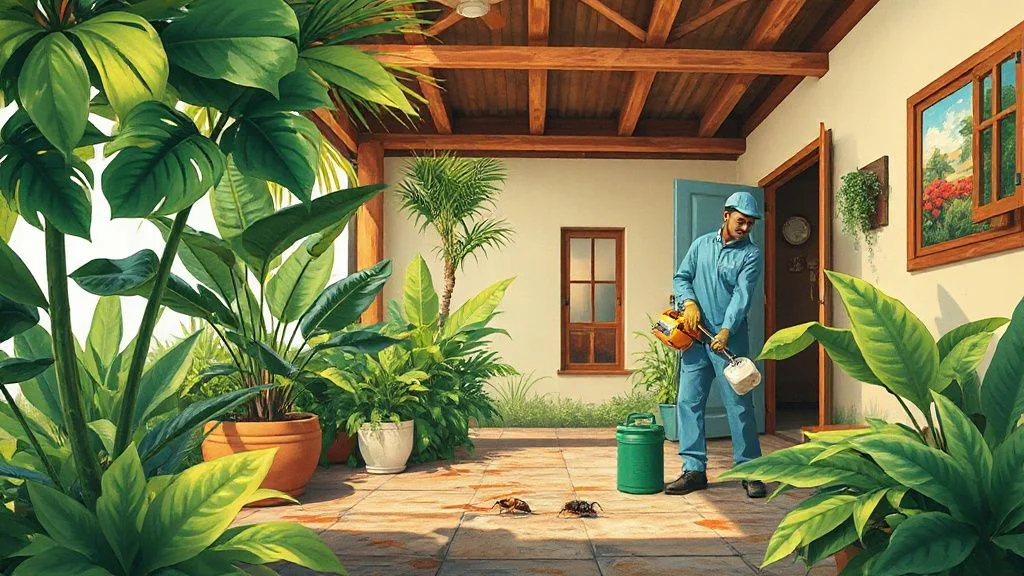
When dealing with termite infestations, it's crucial to engage a reputable pest control service that understands the unique challenges of treating these pests in Suriname's tropical environment. This article explores the essential contracts and agreements that a pest control service treating termites should have in place, ensuring both the service provider and the homeowner are protected. By understanding these contracts, you can make informed decisions when hiring a pest control service.
Understanding Pest Control Contracts
Pest control contracts are formal agreements between the service provider and the client. These contracts outline the scope of work, responsibilities, and expectations for both parties. In Suriname, where termite infestations can be particularly problematic due to the humid climate, having a clear contract is essential for effective treatment and long-term prevention.
Typically, a pest control contract will include several key components: the type of service being provided, the duration of the service, payment terms, and any guarantees or warranties offered. Understanding these components will help you evaluate potential pest control providers and ensure that you receive the best service possible.
Scope of Work
The scope of work section of a pest control contract details the specific services that will be performed. This can include an initial inspection, treatment methods, and follow-up visits. In Suriname, pest control services often use a combination of chemical treatments and baiting systems to effectively eliminate termites. It's important to ensure that the contract specifies the methods that will be used, as well as any safety precautions that will be taken during the treatment process.
For instance, if a pest control service plans to use liquid termiticides, the contract should outline the areas that will be treated, the concentration of the chemicals, and any necessary precautions for residents and pets. This transparency helps build trust between the client and the service provider, ensuring that both parties are on the same page regarding the treatment process.
Duration of Service
The duration of service is another critical aspect of a pest control contract. This section should specify how long the treatment will take and whether ongoing monitoring or maintenance is included. In many cases, termite treatments require multiple visits to ensure complete eradication and to monitor for any signs of re-infestation.
Make sure to discuss the frequency of follow-up visits and any additional costs that may be associated with them. Ongoing monitoring is particularly important in Suriname, where the warm climate can facilitate rapid termite activity.
Payment Terms
Payment terms are a crucial part of any pest control contract. This section should clearly outline the total cost of the services, payment methods accepted, and any deposit requirements. The contract should specify any potential additional costs that may arise during the treatment process. For instance, if further treatments are needed due to severe infestations or if additional inspections are required, these costs should be clearly outlined in the contract. This transparency helps prevent misunderstandings and ensures that you are not surprised by unexpected charges.
Guarantees and Warranties
Many pest control services offer guarantees or warranties as part of their contracts. This can provide peace of mind for homeowners, knowing that if termites return within a specified timeframe, the service will return to address the issue at no additional cost. In Suriname, where termite activity can be persistent, having a warranty can be particularly beneficial.
When reviewing a contract, pay close attention to the terms of any guarantees. Make sure to understand the conditions that must be met for the warranty to remain valid, such as the need for regular inspections or maintenance treatments.
Insurance and Licensing
Before signing a pest control contract, ask the provider which permits and which insurance it holds, and ask to see them. Which permit a termite treatment requires could not be established for this article, so a general claim of being licensed is something to be shown rather than assumed. That weighs most where chemicals are used.
Additionally, insurance protects both the service provider and the homeowner in case of accidents or damages that may occur during the treatment process. A reputable pest control service should be able to provide proof of insurance upon request. This not only safeguards your property but also gives you confidence in the professionalism of the service provider.
Client Responsibilities
Many pest control contracts will include a section outlining the responsibilities of the client. This may involve preparing the home for treatment, such as moving furniture away from walls or ensuring that access points are clear. Understanding your responsibilities can help facilitate a smoother treatment process and ensure that the pest control service can perform its work effectively.
For example, if a contract states that the homeowner must remove any items from the treatment area, it’s crucial to comply with this requirement to avoid delays or complications. Additionally, some contracts may require homeowners to maintain certain conditions, such as keeping the property free of moisture, which can attract termites.
Practical Tips for Homeowners
When engaging a pest control service for termite treatment in Suriname, there are several practical tips to consider. First, always obtain multiple quotes from different providers. This allows you to compare services, pricing, and contract terms, ensuring that you find the best option for your needs.
Additionally, don't hesitate to ask for references or reviews from previous clients. A reputable pest control service should have a track record of satisfied customers, and hearing about others' experiences can provide valuable insights into the quality of service you can expect.
What to Check Before You Sign
Which rules apply to pest control products in Suriname could not be traced for this article, so it names none. What you can do instead is concrete: ask the provider which product it will apply, who supplies that product, and under which permit it works, and have those answers written into the contract, where they bind the provider to you.
Moreover, consider the environmental impact of pest control methods. Many homeowners are increasingly concerned about the use of chemicals and their effects on the ecosystem. Look for pest control services that offer eco-friendly options or integrated pest management strategies that minimize chemical use while effectively addressing termite issues.
Conclusion
In summary, engaging a pest control service for termite treatment in Suriname involves understanding the essential contracts and agreements that protect both parties. Key components include the scope of work, duration of service, payment terms, guarantees, and the service provider's licensing and insurance. By being informed and proactive, homeowners can ensure they receive effective treatment and protection against termites. Always take the time to review contracts carefully and communicate openly with your pest control provider to achieve the best results.
Last updated: November 2026