When considering the installation of a borehole in Suriname, understanding the requirements for well drilling is crucial. This process involves various technical and logistical elements that ensure the successful extraction of groundwater. In this article, we will explore the essential equipment, permits, and considerations that a well driller needs to sink a borehole effectively in Suriname.
Understanding Borehole Drilling
Borehole drilling is a method used to access underground water sources. In tropical countries like Suriname, where rainfall is abundant, groundwater can be a reliable resource for households and businesses. However, the process of drilling a borehole is complex and requires specialized knowledge and equipment.
Before embarking on a borehole project, it is essential to understand the geological conditions of the area. Suriname's landscape varies from coastal plains to dense rainforest, and the type of soil and rock can significantly impact drilling methods. Local geological surveys or consultations with experienced drillers can provide valuable insights into the best approach for your specific location.
Essential Equipment for Borehole Drilling
The equipment required for drilling a borehole can vary depending on the depth and diameter of the borehole, as well as the geological conditions. Here are some of the key pieces of equipment typically used in the process:
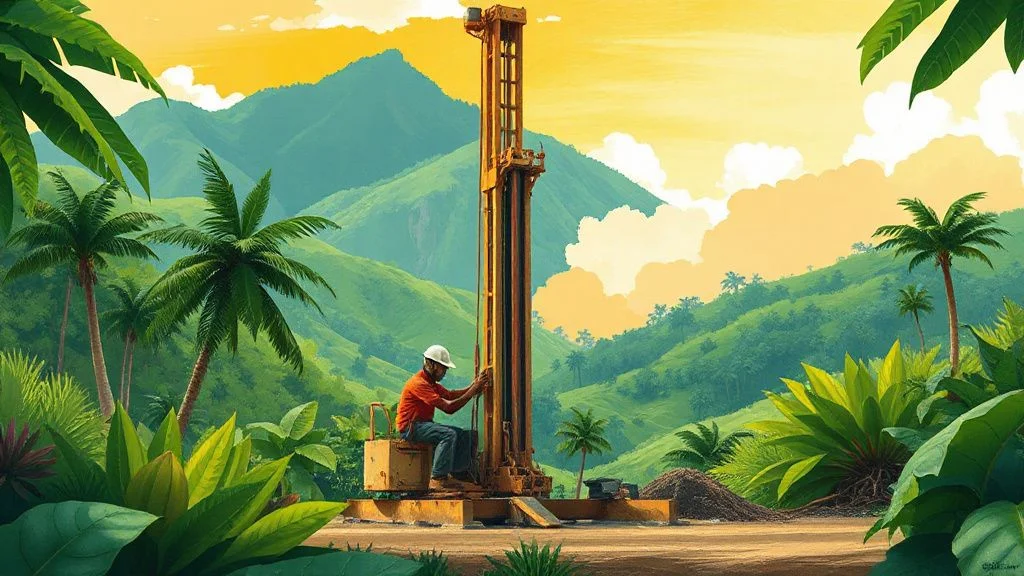
- Drilling Rig: A drilling rig is the primary piece of equipment used to bore into the ground. There are different types of rigs, including rotary and percussion rigs, each suited for specific conditions. Rotary rigs are commonly used for deeper boreholes, while percussion rigs may be more appropriate for shallower depths.
- Drill Bits: The choice of drill bit is crucial for effective drilling. Bits come in various sizes and designs, including diamond bits for hard rock and carbide bits for softer soil. The right bit will depend on the geological conditions encountered.
- Water Supply: Drilling requires a significant amount of water to cool the drill bit and remove cuttings from the borehole. A reliable water supply is essential, and in some cases, a temporary water storage tank may be necessary.
- Well Casing: Once the borehole is drilled, it needs to be lined with casing to prevent collapse and contamination. PVC or steel casings are commonly used, and the choice will depend on the expected groundwater quality and depth.
- Pumping Equipment: After drilling, a pump is needed to extract water from the borehole. Submersible pumps are often used for deeper boreholes, while surface pumps may suffice for shallower ones.
Permits and Regulations
Before drilling a borehole in Suriname, it is essential to obtain the necessary permits. The regulatory framework for groundwater extraction is governed by the Ministry of Natural Resources. The process typically involves submitting an application that outlines the purpose of the borehole, its location, and expected depth.
It is advisable to ask the Ministry of Natural Resources, which this article names as the regulator for groundwater, or a legal professional to ensure compliance with all regulations. Failure to obtain the required permits can result in fines or the forced closure of the borehole.
Logistical Considerations
Logistics play a significant role in the success of a borehole drilling project. Here are some factors to consider:
- Site Accessibility: Ensure that the drilling site is accessible for heavy machinery. In remote areas, this may require the construction of temporary access roads or clearing of vegetation.
- Environmental Impact: Consider the environmental impact of drilling. In Suriname, where biodiversity is rich, it is crucial to minimize disruption to local ecosystems. Conducting an environmental assessment may be necessary.
- Local Expertise: Hiring local drilling contractors can be beneficial. They possess knowledge of the regional geology and have experience navigating the regulatory landscape. Look for contractors with good reputations and positive reviews from previous clients.
Cost Considerations
The cost of drilling a borehole in Suriname can vary widely based on several factors, including the depth of the borehole, the type of equipment used, and the contractor's fees. While specific figures are not published, it is advisable to obtain quotes from multiple drilling companies to compare costs. Be sure to clarify what is included in the quote, such as the drilling process, casing installation, and pump setup.
Additionally, consider the long-term costs associated with maintaining the borehole. Regular maintenance, such as pump servicing and water quality testing, is essential to ensure the borehole remains functional and safe for use.
Practical Tips for Expats
For expatriates looking to drill a borehole in Suriname, here are some insider tips to navigate the process effectively:
- Research Local Providers: Take the time to research local drilling companies. Look for those with experience in your specific area and check for customer testimonials. Engaging with local expat forums can also provide recommendations.
- Understand Water Quality: Before drilling, consider conducting a water quality test in the area. This will help you understand the suitability of the groundwater for drinking or irrigation purposes. Local laboratories can assist with testing.
- Network with Locals: Building relationships with local residents can provide valuable insights into the drilling process. They may share experiences, recommend contractors, or tell you what the rules require.
- Plan for Delays: Be prepared for potential delays due to weather conditions or logistical challenges. The rainy season in Suriname can affect drilling schedules, so having a flexible timeline is advisable.
Conclusion
Sinking a borehole in Suriname requires careful planning, the right equipment, and compliance with Surinamese law. Understanding the geological conditions, obtaining necessary permits, and considering logistical challenges are essential steps in the process. By engaging with local experts and conducting thorough research, expatriates can navigate the complexities of borehole drilling and ensure a successful project that provides a reliable water source for years to come.
Last updated: November 2026