As the demand for renewable energy solutions grows in Suriname, many homeowners are considering solar panels as a viable option for reducing electricity costs and minimizing their carbon footprint. If you're planning to install solar panels on your roof, understanding what a solar installer requires is crucial for a successful project. This article will outline the tools, materials, and considerations involved in fitting solar panels, ensuring you’re well-prepared for the process.
Understanding the Basics of Solar Panel Installation
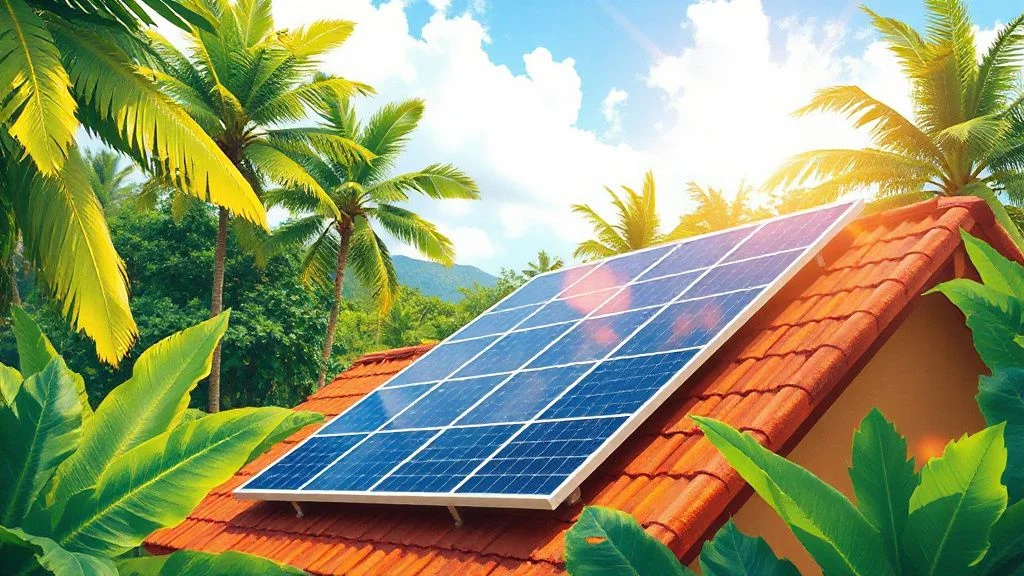
Solar panel installation involves several key steps, including site assessment, equipment selection, installation, and post-installation checks. Each step requires specific tools and materials to ensure the system operates efficiently and safely. Before diving into the requirements, it’s essential to understand the components of a solar power system. Typically, a solar system consists of solar panels, an inverter, mounting hardware, and wiring.
Site Assessment and Planning
The first step in solar panel installation is conducting a thorough site assessment. This involves evaluating the roof's orientation, angle, and shading to determine the optimal placement for the solar panels. A solar installer will typically use tools such as a solar pathfinder or shading analysis software to assess how much sunlight the roof receives throughout the day.
In Suriname, where the sun shines brightly year-round, it's crucial to maximize exposure to sunlight. Installers should also consider the building rules that apply, which may set requirements for solar panel installations. Ask the installer which permits the work needs, and ask at the office that handles building permits what it wants to see before you proceed.
Essential Tools for Solar Panel Installation
Once the site assessment is complete, the installer will gather the necessary tools for the job. Here are some of the essential tools typically required:
- Drills and Drill Bits: Used for creating holes in the roof for mounting brackets.
- Wrenches and Sockets: Necessary for securing bolts and nuts on the mounting hardware.
- Measuring Tape: For accurate measurements of the roof and panel placement.
- Level: Ensures that the panels are installed evenly and correctly.
- Safety Gear: Includes harnesses, helmets, and gloves to protect the installer while working at heights.
These tools are essential for ensuring that the installation is secure and meets safety standards. It's advisable to hire a professional installer who is familiar with the specific requirements and challenges of solar panel installation in Suriname.
Materials Required for Installation
In addition to tools, several materials are necessary for the installation of solar panels. These include:
- Solar Panels: The primary component of the system, which converts sunlight into electricity. In Suriname, installers often use high-efficiency panels to maximize energy production.
- Inverter: Converts the direct current (DC) generated by the solar panels into alternating current (AC) for household use.
- Mounting Hardware: Includes brackets, rails, and screws that secure the panels to the roof. The choice of mounting hardware depends on the roof type (flat or sloped).
- Wiring: Connects the solar panels to the inverter and the electrical system of the house. Proper wiring is crucial for safety and efficiency.
Homeowners should source these materials from reputable suppliers in Suriname to ensure quality and compliance with local standards. It's also beneficial to consult with the installer about the best options for your specific needs.
Installation Process: Step-by-Step
The installation process typically follows these steps:
- Preparation: The installer prepares the roof by cleaning the surface and ensuring it is structurally sound.
- Mounting the Hardware: The installer secures the mounting brackets to the roof, ensuring they are level and properly spaced for the solar panels.
- Installing the Solar Panels: The panels are attached to the mounting hardware, ensuring they are securely fastened.
- Wiring Connections: The installer connects the solar panels to the inverter and the electrical system, following safety protocols.
- Final Checks: The system is tested to ensure it operates correctly and efficiently.
Each of these steps requires attention to detail and adherence to safety standards. A qualified installer will ensure that all aspects of the installation are completed correctly, minimizing the risk of future issues.
Post-Installation Considerations
After the installation is complete, it’s important to conduct a thorough inspection of the system. This includes checking all connections, ensuring the inverter is functioning properly, and verifying that the solar panels are securely mounted. Homeowners should also familiarize themselves with the monitoring system, if available, to track energy production and consumption.
Regular maintenance is essential to keep the solar system operating efficiently. This may involve cleaning the panels, checking for debris or shading, and ensuring that all components are in good condition. Homeowners should consult with their installer for specific maintenance recommendations.
Practical Tips for Homeowners
For homeowners considering solar panel installation in Suriname, here are some practical tips to ensure a smooth process:
- Research Local Installers: Look for reputable solar installers in Suriname with positive reviews and a proven track record. Ask for references and check their certifications.
- Understand Financing Options: Explore financing options available for solar installations, including loans, leases, and incentives. Some local banks may offer specific products for renewable energy projects.
- Consider Energy Needs: Assess your household's energy consumption to determine the appropriate size of the solar system. This will help in selecting the right number of panels and inverter capacity.
- Stay Informed on Regulations: Keep up to date with the rules that apply to solar installations. This includes permits, inspections, and any incentives offered by the government.
By following these tips, homeowners can navigate the solar installation process with confidence, ensuring they make informed decisions that align with their energy goals.
Conclusion
Installing solar panels on your roof in Suriname can be a rewarding investment, providing long-term savings and environmental benefits. Understanding the requirements for installation, including the necessary tools, materials, and processes, is essential for a successful project. By working with qualified professionals and staying informed about the rules that apply, homeowners can enjoy the advantages of solar energy while contributing to a sustainable future.
Last updated: November 2026