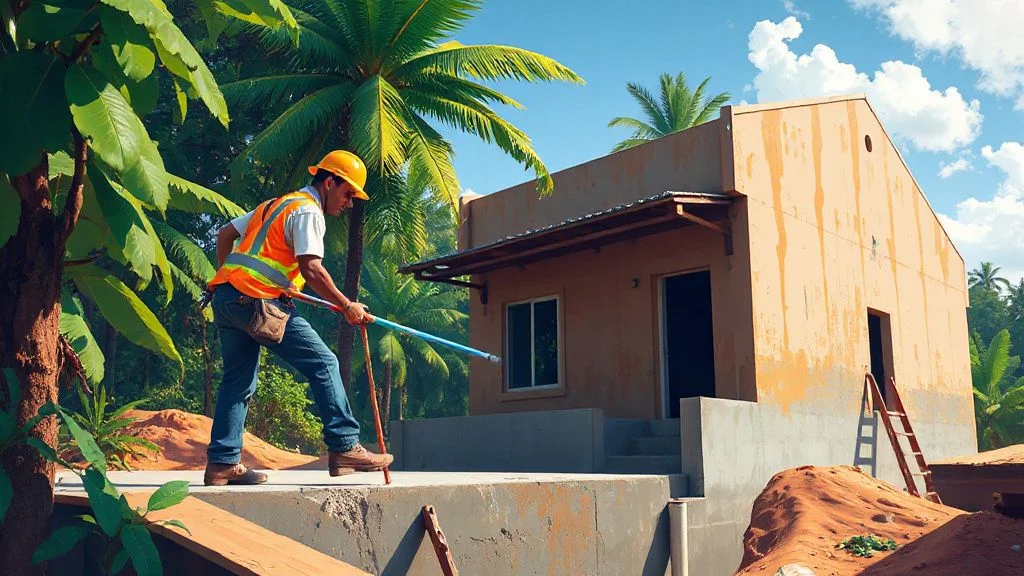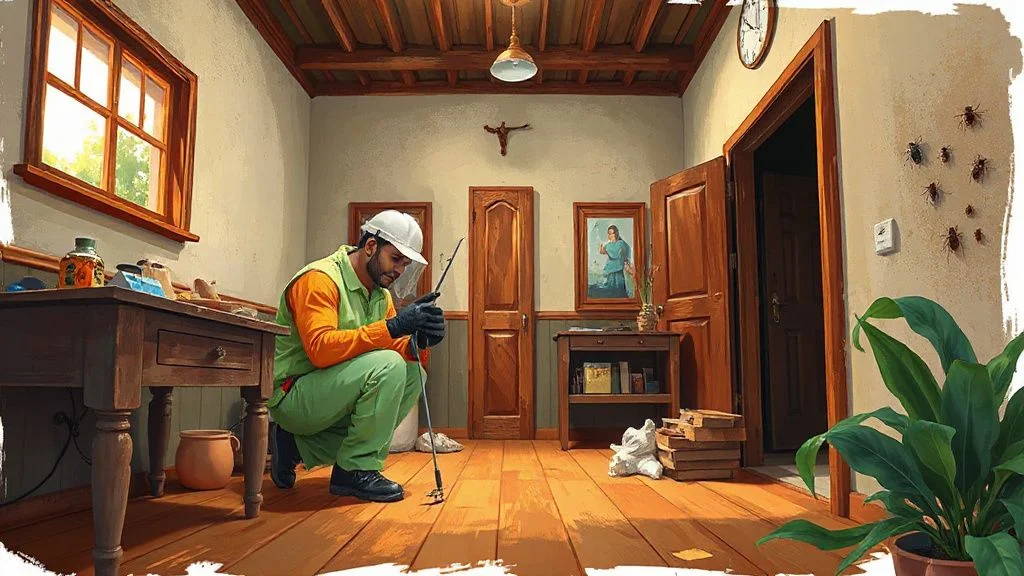
Termites are a significant concern for homeowners in Suriname, where the tropical climate creates an ideal environment for these pests. Understanding what a pest control service requires to treat termites effectively is crucial for homeowners looking to protect their properties. This article will explore the methods, tools, and considerations involved in termite treatment, providing valuable insights for residents and expatriates alike.
Understanding Termite Infestations
Termites are social insects that live in colonies, often hidden from view, making them particularly challenging to detect until significant damage has occurred. Recognizing the signs of a termite infestation is the first step in addressing the problem. Homeowners should look for mud tubes, discarded wings, and hollow-sounding wood. If you suspect a termite issue, contacting a pest control service promptly is essential to minimize damage.
Initial Assessment and Inspection
Before any treatment can begin, a thorough inspection by a pest control professional is necessary. This assessment typically involves checking both the interior and exterior of the property for signs of termite activity. Professionals will often use specialized equipment, such as moisture meters and thermal imaging cameras, to detect hidden infestations. The inspection process may vary in duration depending on the size of the property and the extent of the infestation.
During the inspection, the pest control technician will also evaluate the property for conditions that may attract termites, such as wood-to-soil contact, moisture issues, and structural vulnerabilities. This information is crucial for developing an effective treatment plan tailored to the specific needs of the property.
Methods of Treatment
Once the inspection is complete, the pest control service will recommend a treatment method. Common approaches include liquid treatments, baiting systems, and fumigation. Liquid treatments involve applying a chemical barrier around the foundation of the home to prevent termites from entering. This method is often used for subterranean termites and requires careful application to ensure effectiveness.
Baiting systems, on the other hand, involve placing bait stations around the property that attract termites. The termites consume the bait and carry it back to their colony, effectively eliminating the entire colony over time. This method is less intrusive and can be a long-term solution for termite management.
Fumigation is typically reserved for severe infestations, especially with certain types of termites. This method involves sealing the entire structure and introducing a gas that penetrates all wood surfaces, killing termites in the process. Fumigation requires homeowners to vacate the property for a period, making it a more disruptive option.
Tools and Equipment Used
Pest control services utilize a variety of tools and equipment to treat termite infestations effectively. Some of the essential tools include:
- Drills: Used to create holes for injecting treatment solutions into wooden structures.
- Sprayers: For applying liquid treatments around the foundation and in infested areas.
- Bait stations: Installed around the property to monitor and control termite activity.
- Protective gear: Ensures the safety of technicians while handling chemicals and performing treatments.
Each of these tools plays a vital role in ensuring that the treatment is thorough and effective, minimizing the risk of future infestations.
Post-Treatment Considerations
After the treatment has been completed, homeowners should follow specific guidelines to ensure the effectiveness of the pest control service. This may include avoiding certain areas of the home for a designated period, monitoring for any signs of termite activity, and maintaining proper moisture levels around the property. Regular inspections and maintenance are also recommended to catch any potential issues early.
Additionally, homeowners should consider implementing preventative measures, such as reducing wood-to-soil contact, fixing leaks, and ensuring proper ventilation in crawl spaces. These steps can significantly reduce the likelihood of future infestations.
What Expats Should Know
For expatriates living in Suriname, understanding the local pest control services and their practices is essential. It is advisable to choose a reputable pest control company with experience in treating termites specific to the tropical climate. Reading reviews and seeking recommendations from fellow expats can help in selecting a trusted provider.
Moreover, expats should be aware of the potential language barriers and cultural differences when communicating with service providers. Having a local contact or translator can facilitate smoother interactions and ensure that all concerns are adequately addressed.
Conclusion
Termite infestations can pose a serious threat to homes in Suriname, but understanding what a pest control service requires for effective treatment can empower homeowners to take action. From thorough inspections to various treatment methods, being informed allows residents to make confident decisions regarding pest management. By staying proactive and working with trusted local providers, homeowners can protect their properties from these destructive pests.
Last updated: November 2026