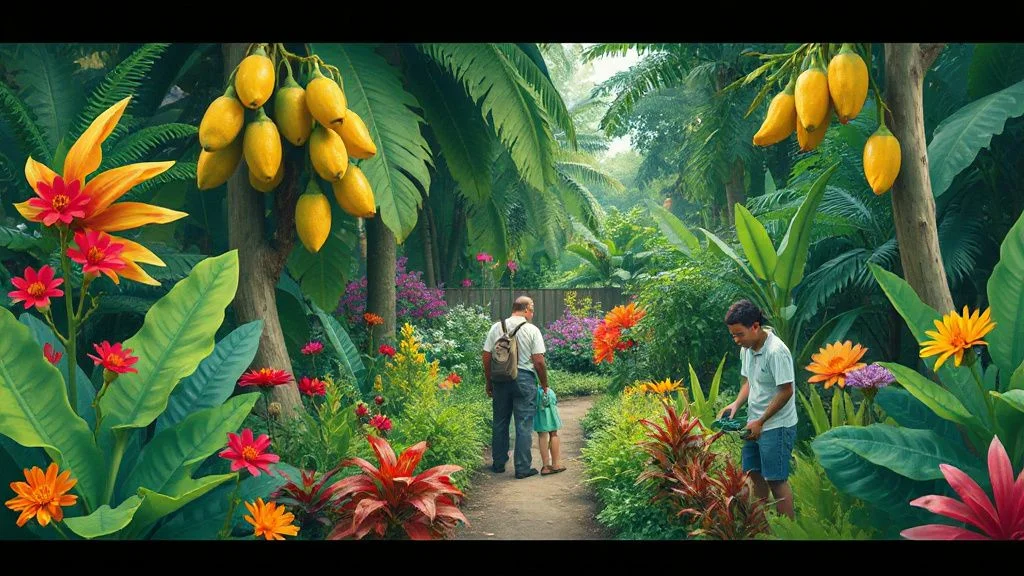
Maintaining a tropical garden in Suriname is a rewarding endeavor that requires specific tools, knowledge, and an understanding of the local climate. Whether you are an expat looking to cultivate a green oasis or a local resident wanting to enhance your outdoor space, knowing what a tropical plot requires can make all the difference. This article will explore the essential elements needed for successful gardening in Suriname, including tools, plant selection, soil management, and practical tips for keeping your garden thriving.
Essential Tools for Tropical Gardening
To effectively maintain a tropical garden, having the right tools is crucial. The humid and warm climate of Suriname can lead to rapid plant growth, meaning regular maintenance is necessary. Here are some essential tools every gardener should consider:
- Hand Tools: A good set of hand tools, including a trowel, pruners, and a weeder, is essential for planting, pruning, and weeding. These tools allow for precision work in tight spaces, which is often necessary in a tropical garden.
- Garden Hose and Sprinkler System: Given the high humidity and rainfall in Suriname, a reliable watering system is important. A garden hose with a spray nozzle can help target specific plants, while a sprinkler system can automate watering during dry spells.
- Shovel and Rake: These larger tools are necessary for preparing garden beds and managing soil. A shovel is useful for digging, while a rake helps level the soil and remove debris.
- Wheelbarrow: For transporting soil, plants, and other materials around your garden, a sturdy wheelbarrow is invaluable. It saves time and effort, especially when dealing with larger projects.
- Gloves and Protective Gear: Gardening can be tough on your hands, so a good pair of gardening gloves is essential. Additionally, consider wearing a wide-brimmed hat and sunscreen to protect yourself from the tropical sun.
Choosing the Right Plants for Tropical Gardens
Suriname's tropical climate allows for a diverse range of plants to thrive. When selecting plants for your garden, consider native species that are well-adapted to the local environment. Here are some popular choices:
- Fruit Trees: Tropical fruit trees such as mango, papaya, and guava flourish in Suriname. These trees not only provide delicious fruits but also add shade and beauty to your garden.
- Flowering Plants: Brightly colored flowers like hibiscus, bougainvillea, and orchids can bring vibrancy to your garden. These plants are known for their resilience and ability to thrive in tropical conditions.
- Foliage Plants: Consider incorporating lush foliage plants such as ferns and philodendrons. These plants add texture and greenery, creating a lush environment that is characteristic of tropical gardens.
- Herbs and Vegetables: Growing herbs like basil, cilantro, and lemongrass can enhance your culinary experiences. Additionally, vegetables such as okra and eggplant can thrive in the warm climate, providing fresh produce for your meals.
When selecting plants, it’s important to consider their growth habits and sunlight requirements. Some plants may require full sun, while others thrive in partial shade. Understanding these needs will help you create a balanced and thriving garden.
Soil Management and Fertilization
Soil quality plays a vital role in the health of your tropical garden. Suriname's soil can vary, so it’s important to assess and amend it as needed. Here are some tips for managing soil:
- Soil Testing: Conducting a soil test can provide valuable information about pH levels and nutrient content. This information can help you determine what amendments are necessary to create optimal growing conditions.
- Organic Matter: Adding organic matter such as compost or well-rotted manure can improve soil structure and fertility. This is particularly important in tropical gardens, where heavy rainfall can lead to nutrient leaching.
- Mulching: Applying a layer of mulch around your plants can help retain moisture, suppress weeds, and regulate soil temperature. Organic mulches, such as wood chips or straw, can also break down over time, adding nutrients back into the soil.
- Fertilization: Regular fertilization is important for tropical plants, as they often have high nutrient demands. Consider using a balanced fertilizer or one specifically formulated for tropical plants. Follow the manufacturer's instructions for application rates and frequency.
Watering Techniques for Tropical Gardens
In a tropical climate like Suriname, managing water is crucial for plant health. While the region receives significant rainfall, there are periods of dryness that require careful watering practices. Here are some effective techniques:
- Deep Watering: Instead of frequent shallow watering, aim for deep watering sessions that encourage roots to grow deeper into the soil. This can be achieved by watering less often but for longer durations.
- Rainwater Harvesting: Consider installing a rainwater collection system to take advantage of the frequent rains. This sustainable practice can provide a free source of water for your garden.
- Drip Irrigation: If you have a larger garden, a drip irrigation system can efficiently deliver water directly to the roots of your plants, reducing evaporation and waste.
Pest and Disease Management
Gardening in a tropical environment can present challenges with pests and diseases. Understanding common issues and how to manage them is essential for maintaining a healthy garden. Here are some strategies:
- Regular Monitoring: Keep a close eye on your plants for signs of pests or disease. Early detection can prevent larger infestations and allow for timely intervention.
- Natural Predators: Encourage beneficial insects, such as ladybugs and lacewings, that prey on common pests. Planting a variety of flowers can attract these helpful insects to your garden.
- Organic Pesticides: If pests become a problem, consider using organic pesticides that are less harmful to the environment. Neem oil and insecticidal soap are popular options for managing pests without harming beneficial insects.
Practical Tips for Expats and New Gardeners
For expats and those new to gardening in Suriname, there are several practical tips to ensure success:
- Join Local Gardening Groups: Connecting with local gardening communities can provide valuable insights and support. Many expats find that sharing experiences and tips with locals enhances their gardening knowledge.
- Learn About Local Flora: Familiarize yourself with the native plants and their growing conditions. This knowledge can help you make informed choices about what to plant and how to care for your garden.
- Be Patient: Gardening is a learning process, and it may take time to understand the unique challenges of a tropical environment. Embrace the journey and be open to experimenting with different plants and techniques.
- Utilize Local Resources: Take advantage of local nurseries and garden centers for plants and supplies. These establishments often have knowledgeable staff who can offer advice tailored to the local climate.
Conclusion
Maintaining a tropical garden in Suriname is a fulfilling endeavor that requires the right tools, knowledge, and care. By selecting appropriate plants, managing soil and water effectively, and staying vigilant against pests, you can create a thriving garden that enhances your living space. Whether you are an expat or a local, embracing the unique aspects of tropical gardening will lead to a vibrant and rewarding outdoor experience.
Last updated: November 2026