When shipping goods to Suriname, understanding the costs associated with freight forwarding at the Nieuwe Haven port in Paramaribo is crucial for both businesses and individuals. This article delves into the typical charges imposed by freight forwarders, the customs duties applicable, and practical tips for navigating the process efficiently.
Overview of Freight Forwarding in Suriname
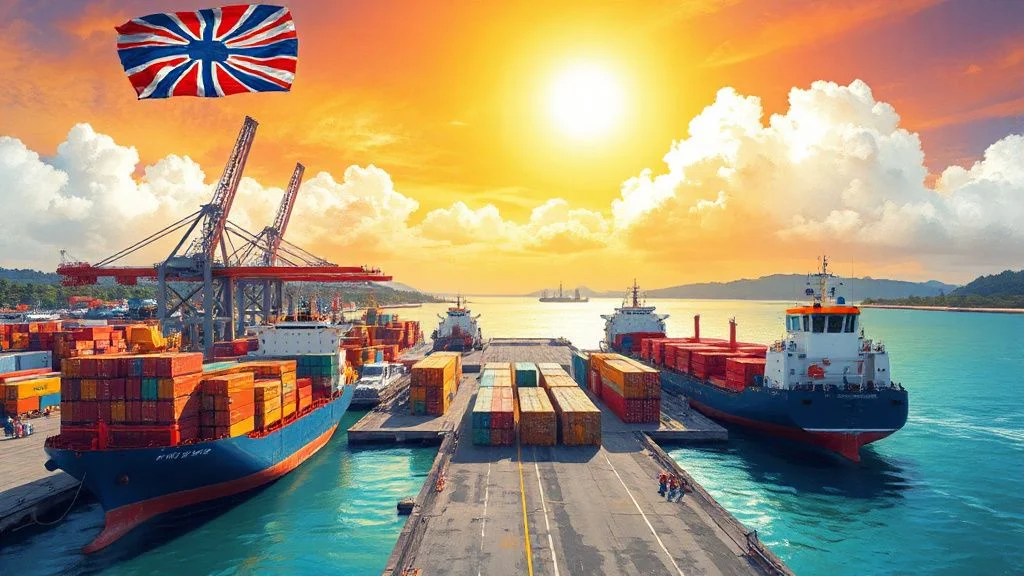
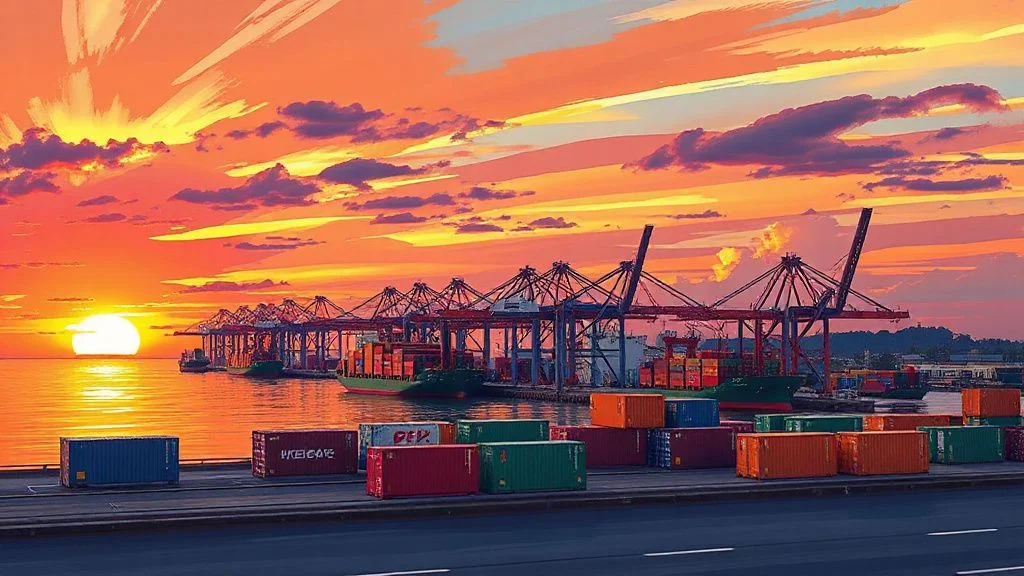
Freight forwarding is an essential service for anyone looking to import goods into Suriname. The Nieuwe Haven, located on the Suriname River, serves as the primary port for cargo entering the country. Given its limited draft and vessel size capabilities, the port primarily handles smaller feeder vessels, which can affect shipping times and costs. Understanding the charges associated with freight forwarding is vital for budgeting and planning your shipments effectively.
Freight forwarders act as intermediaries between shippers and carriers, managing the logistics of transporting goods. They handle various aspects of the shipping process, including documentation, customs clearance, and delivery. Typically, the charges incurred during this process can vary based on the nature of the goods, the shipping method, and the specific services required.
Typical Charges by Freight Forwarders
Customs Duties and Taxes
One of the primary costs associated with freight forwarding in Suriname is customs duties. Which duty applies follows the tariff classification of the goods, and this article reproduces no percentage for it. On top of the duty comes VAT under the Wet Belasting over de Toegevoegde Waarde 2022 (S.B. 2022 no. 121): 10 percent as the standard rate, with 5 percent and 25 percent for goods listed in that law's annexes. As of October 2026, it is essential to verify the specific duty rates applicable to your goods, as they can significantly impact the overall cost of shipping.
Furthermore, there are additional fees that may be charged by customs brokers, including the statistiekrecht and the consentrecht, which are charged on the value of the goods. This article gives no percentage for either, because no published rate for them has been traced for it; ask your customs agent to put both on the quote. Therefore, it is advisable to have a clear understanding of the total landed cost, which includes the cost of goods, shipping, customs duties, and additional fees.
Freight Forwarder Service Fees
Freight forwarders themselves charge service fees for their expertise and the management of the shipping process. These fees can vary widely based on the complexity of the shipment and the services provided. Common charges include documentation fees, handling fees, and fees for customs clearance. It is essential to discuss and clarify these fees with your freight forwarder upfront to avoid unexpected costs.
For example, documentation fees may cover the preparation of essential shipping documents such as the bill of lading, commercial invoice, and packing list. Handling fees are typically charged for the physical handling of goods at the port, including loading and unloading. Customs clearance fees are charged for the services of customs brokers who facilitate the clearance of goods through customs.
Factors Influencing Freight Forwarding Costs
Type of Goods
The type of goods being shipped can significantly influence the costs associated with freight forwarding. For instance, hazardous materials or perishable goods may require special handling, additional documentation, and compliance with specific regulations, leading to higher costs. It is crucial to classify your goods accurately and understand any additional requirements that may apply to them.
Additionally, goods on the negative list, which require an H-99 import license, may incur further costs and delays in the shipping process. Therefore, it is advisable to consult with your freight forwarder regarding the classification of your goods and any potential implications for shipping costs.
Shipping Method
The chosen shipping method also plays a vital role in determining costs. For example, Less than Container Load (LCL) shipments are typically charged based on volume or weight, while Full Container Load (FCL) shipments may offer a more predictable cost structure. Air freight, while faster, is generally more expensive than ocean freight. Understanding the pros and cons of each shipping method can help you make an informed decision that aligns with your budget and timeline.
Practical Tips for Budgeting and Planning
Research and Compare Providers
When planning your shipment, it is essential to research and compare different freight forwarders. Look for providers with experience in shipping to Suriname and those who can offer transparent pricing structures. Request quotes from multiple forwarders to get a sense of the typical costs involved and ensure you are getting a competitive rate.
Additionally, consider the reputation and reliability of the freight forwarder. Reading reviews and seeking recommendations from other businesses can help you identify trustworthy providers who will manage your shipment efficiently.
Prepare Documentation Early
Proper documentation is critical for smooth customs clearance and can help avoid delays and additional charges. Ensure that you have all necessary documents prepared in advance, including commercial invoices, packing lists, and any required licenses. Working closely with your freight forwarder to ensure all documentation is accurate and complete can save you time and money in the long run.
Conclusion
Understanding the charges associated with freight forwarding at Nieuwe Haven is essential for anyone looking to import goods into Suriname. By familiarizing yourself with customs duties, freight forwarder service fees, and the factors influencing costs, you can better plan your shipments and budget accordingly. Always conduct thorough research and prepare your documentation early to ensure a smooth and cost-effective shipping process.
Primary Sources
Last updated: November 2026