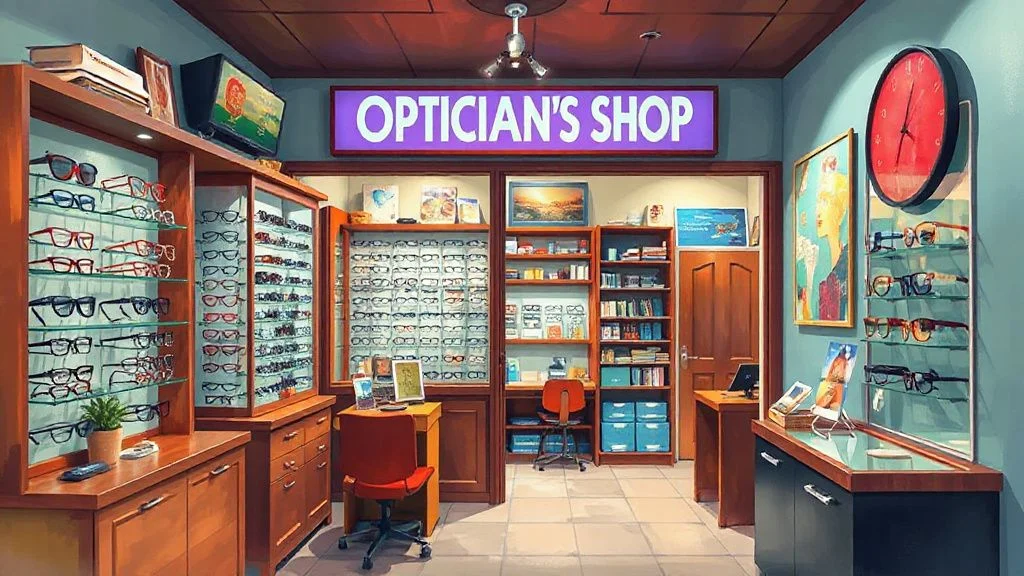
When it comes to obtaining prescription glasses, understanding the role of opticians and their licensing is crucial. This article delves into whether opticians who make glasses to prescription are licensed, the importance of this licensing, and what you should know when seeking optical services, particularly in Suriname.
What is an Optician?
Opticians are trained professionals who specialize in fitting and dispensing eyewear. They work closely with prescriptions provided by optometrists or ophthalmologists to create glasses that meet the specific vision needs of their clients. While opticians do not perform eye exams, they play a vital role in ensuring that the eyewear fits properly and functions as intended.
In Suriname, as in many countries, the role of an optician is essential in the healthcare system, particularly for those who require corrective lenses. Opticians are responsible for interpreting prescriptions, selecting appropriate frames, and ensuring that lenses are crafted to the correct specifications. This process requires a blend of technical skills and an understanding of fashion, as the right eyewear can significantly impact a person's appearance and comfort.
Licensing Requirements for Opticians
Licensing for opticians varies by country and region, and it is crucial for consumers to understand these requirements to ensure they are receiving quality care. Typically, regulations are put in place to protect consumers and ensure that only qualified individuals are providing optical services.
To become a licensed optician, individuals usually need to complete a formal education program in opticianry. This process ensures that they are competent in their field and capable of providing safe and effective services.
Importance of Choosing a Licensed Optician
Choosing a licensed optician is essential for several reasons. First and foremost, licensed opticians have undergone the necessary training and education to provide quality care. They are familiar with the latest technologies and techniques in eyewear, which can significantly impact the comfort and effectiveness of your glasses.
Additionally, licensed opticians are held to a professional standard, which includes adhering to ethical practices and maintaining up-to-date knowledge of industry advancements. This commitment to professionalism helps ensure that clients receive the best possible service and care for their vision needs.
How to Verify an Optician's License
When seeking optical services, it is important to verify that the optician you are considering is licensed. You can typically check with local health authorities or professional organizations that oversee the practice of opticianry. These organizations often maintain a registry of licensed professionals, allowing consumers to confirm an optician's credentials.
When visiting an optical shop, don't hesitate to ask the staff about their qualifications. A reputable establishment will be transparent about the credentials of their opticians and will be happy to provide information about their training and licensing. This transparency is a good indicator of the quality of service you can expect.
Common Services Offered by Licensed Opticians
Licensed opticians provide a variety of services beyond just making glasses. These services typically include:
- Frame Selection: Opticians assist clients in choosing frames that suit their face shape, style preferences, and budget.
- Lens Fitting: They ensure that lenses are fitted correctly to the frames and that they meet the specifications of the prescription.
- Adjustments and Repairs: Licensed opticians can make adjustments to frames for comfort and fit, as well as perform minor repairs.
- Consultation: They offer advice on lens options, coatings, and other features that can enhance vision and comfort.
What Expats Should Know About Optical Services in Suriname
For expats living in Suriname, navigating the local healthcare system can be a unique experience. Understanding how optical services work is essential, especially if you require prescription glasses. Here are some practical tips for expats:
Finding a Reputable Optician
In Paramaribo, the capital city of Suriname, there are optical shops and clinics where you can find licensed opticians. It is advisable to seek recommendations from fellow expats or locals who have had positive experiences with specific providers. Online forums and expat groups can also be valuable resources for finding reputable opticians.
When you visit an optical shop, take note of the cleanliness and organization of the space. A well-maintained shop is often a sign of professionalism and care. Additionally, observe how the staff interacts with clients; friendly and knowledgeable service can greatly enhance your experience.
Understanding Local Practices and Cultural Nuances
In Suriname, the approach to healthcare, including optical services, may differ from what you are accustomed to in your home country. It is common for opticians to take a more personalized approach, spending time with clients to understand their needs and preferences. This can lead to a more tailored experience when selecting eyewear.
Language can also be a barrier for some expats. While many professionals in Suriname speak English, it is beneficial to learn a few basic phrases in Dutch or Sranan Tongo, the local languages. This effort can help build rapport with your optician and enhance communication during your visit.
Conclusion
Understanding the licensing requirements for opticians making prescription glasses is essential for ensuring you receive quality care. In Suriname, licensed opticians are trained professionals who play a vital role in helping individuals achieve better vision through properly fitted eyewear. By verifying an optician's license and seeking reputable providers, you can confidently navigate the optical services available in your new home. Remember to take advantage of local recommendations and be open to learning about the unique aspects of healthcare in Suriname. Your vision is important, and finding the right optician can make all the difference in your eyewear experience.
Primary Sources
Last updated: November 2026