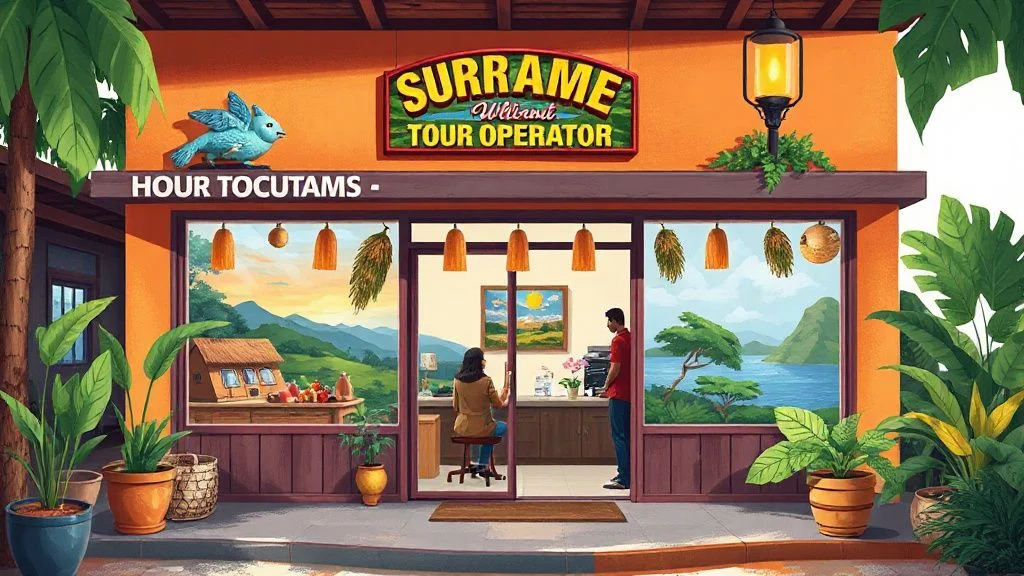
Starting a tour operator business in Suriname can be an exciting venture, especially given the country's rich biodiversity and cultural heritage. However, understanding the licensing process is crucial for ensuring compliance with Surinamese law. This article will guide you through the steps involved in obtaining a tour operator license in Suriname, including the expected timelines, necessary documentation, and common pitfalls to avoid.
Understanding the Licensing Requirement
In Suriname, operating as a tour operator requires adherence to specific legal regulations. The primary governing body for tourism-related licenses is the Ministry of Trade, Industry, and Tourism. This ministry oversees the licensing process, ensuring that all operators meet the necessary standards for safety, quality, and environmental responsibility.
Typically, a tour operator license is mandatory for businesses that organize and sell travel packages, guided tours, and other tourism-related services. This requirement is in place to protect both the operators and the tourists, ensuring that services provided are of a high standard and comply with Surinamese law.
Steps to Obtain a Tour Operator License
1. Business Registration
The first step in obtaining a tour operator license is to register your business. This involves choosing a business structure, such as a sole proprietorship, partnership, or limited liability company. Each structure has different implications for liability and taxation, so it’s advisable to consult with a local business advisor or legal professional to determine the best option for your situation.
Once you’ve decided on a structure, you will need to register your business with the Suriname Chamber of Commerce. No published processing time for this registration has been traced for this article, so ask the chamber how long it takes when you file.
2. Preparing Required Documentation
After registering your business, you will need to gather the necessary documentation for your tour operator license application. This documentation generally includes:
- A copy of your business registration certificate
- Identification documents (passport or national ID)
- A detailed business plan outlining your services, target market, and operational strategies
- Proof of financial stability, such as bank statements or a letter from your bank
- Insurance documents, including liability insurance that covers your operations
Preparing these documents can take anywhere from a few days to several weeks, depending on how quickly you can gather the required information. It’s essential to ensure that all documents are accurate and complete to avoid delays in the application process.
3. Submitting the Application
Once you have all the necessary documentation, you can submit your application to the Ministry of Trade, Industry, and Tourism. The application process typically includes filling out a specific form and paying a processing fee, which is not publicly disclosed and should be verified with the ministry directly.
No published review period has been traced for this article. During this time, officials may conduct background checks and verify the information provided in your application. It’s advisable to follow up periodically to check on the status of your application, as this can help expedite the process.
4. Inspection and Approval
After the initial review, the ministry may require an inspection of your business premises and operations. This inspection is designed to ensure that you comply with safety and operational standards. How long the inspection step adds is not published anywhere this article could trace; it turns on the availability of inspectors and on your readiness.
Once you pass the inspection, you will receive your tour operator license. This license is typically valid for a specific period, after which you will need to renew it. Renewal processes may require similar documentation and inspections, so it’s essential to keep your business compliant throughout the license period.
Common Pitfalls to Avoid
While navigating the licensing process, many new tour operators encounter common challenges that can lead to delays or complications. Here are some pitfalls to avoid:
- Incomplete Documentation: Ensure that all required documents are complete and accurate. Missing or incorrect information can lead to delays in processing.
- Ignoring What the Law Requires: Familiarize yourself with Surinamese law on tourism and on running a business. Non-compliance can result in fines or the denial of your application.
- Underestimating Timeframes: Plan for potential delays in the application process. It’s wise to start the licensing process well in advance of your intended launch date.
- Neglecting Insurance: Ensure that you have adequate insurance coverage before applying for your license. This not only protects your business but is often a requirement for obtaining a license.
Practical Tips for Expats
For expatriates looking to start a tour operator business in Suriname, here are some insider tips to help you navigate the process:
- Consult Local Experts: Engaging with local business consultants or legal advisors can provide valuable insights into the licensing process and help you avoid common pitfalls.
- Network with Other Operators: Connecting with existing tour operators can provide practical advice and support. They can share their experiences and offer tips on how to streamline the licensing process.
- Stay Informed: Regularly check the Ministry of Trade, Industry, and Tourism’s website for updates on regulations and requirements, as these can change.
- Consider Language Barriers: If you are not fluent in Dutch, consider hiring a translator or a bilingual consultant to assist with the application process and communications with government agencies.
Conclusion
Obtaining a tour operator license in Suriname involves several steps, including business registration, documentation preparation, application submission, and inspections. This article gives no figure for the whole process, because none is published; what it turns on is the completeness of your application and the efficiency of the review process. By understanding the requirements and avoiding common pitfalls, you can navigate the licensing process more effectively and set your tour operator business up for success in Suriname.
For the most accurate and up-to-date information, always consult with the Ministry of Trade, Industry, and Tourism and consider seeking professional advice tailored to your specific situation.
Primary Sources
Last updated: November 2026