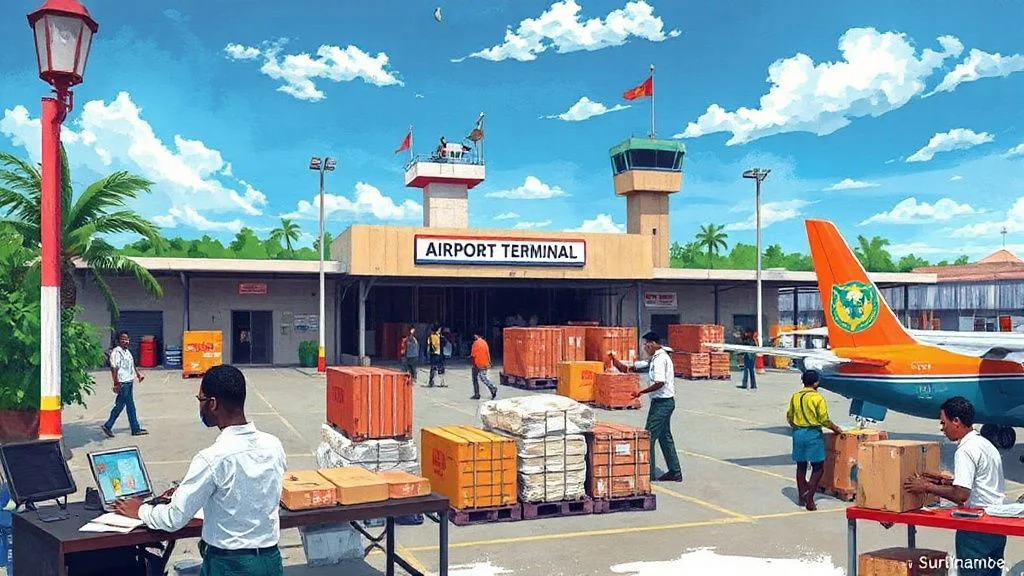
Understanding how customs agents at the airport cargo terminal in Suriname are compensated is essential for anyone looking to navigate the complexities of shipping and receiving goods in this tropical nation. This article will delve into the payment structures, typical fees, and practical advice for ensuring a smooth customs clearance process.
Overview of Customs Operations in Suriname
Suriname's customs operations are managed by the General Directorate of Customs and Excise, which oversees the import and export of goods through various terminals, including the airport cargo terminal. Customs agents play a crucial role in this process, facilitating the clearance of shipments and ensuring compliance with Surinamese law. The payment structure for these agents can vary based on several factors, including the nature of the shipment, the type of service provided, and the specific customs broker engaged.
Types of Customs Services
Customs agents offer a range of services, including:
- Documentation Preparation: Agents prepare and submit necessary documents, such as invoices, bills of lading, and import licenses.
- Duty Calculation: They calculate applicable duties and taxes based on the nature of the goods and their value.
- Customs Clearance: Agents represent clients during the customs clearance process, ensuring that all regulations are met.
- Advisory Services: They provide advice on compliance with Surinamese law, helping clients avoid penalties.
Payment Structure for Customs Agents
The payment for customs agents in Suriname is typically structured around a fee-for-service model. This means that clients pay agents based on the specific services rendered rather than a flat salary. The fees can vary widely depending on the complexity of the shipment and the agent's experience. Generally, the following factors influence the payment structure:
- Type of Shipment: Different types of goods may incur different fees. For example, hazardous materials or high-value items may require more extensive documentation and handling, leading to higher fees.
- Volume of Goods: Larger shipments may attract different pricing structures, often with discounts for bulk processing.
- Urgency of Clearance: Expedited services typically come with higher fees, especially if the shipment needs to clear customs quickly.
Typical Fees and Charges
While specific fee structures are not publicly published, it is common for customs agents to charge based on a percentage of the total value of the goods being imported or a flat fee per shipment. This article gives no percentage and no amount, because none is published: ask the agent for a written quote for your own shipment and ask what the basis is. Additionally, there may be fixed fees for specific services, such as:
- Document Preparation Fee: Charged for preparing the paperwork; ask what it is for your shipment and what counts as a document.
- Customs Clearance Fee: Charged for the clearance itself; ask what it is for your type of goods and whether urgency changes it.
- Storage Fees: If goods are held at the terminal for an extended period, storage fees may apply, typically charged on a daily basis.
It is advisable to verify these fees with the customs agent or broker you plan to work with, as they can provide a detailed breakdown of expected costs.
Payment Methods for Customs Agents
In Suriname, customs agents typically accept various payment methods, although the banking infrastructure may not be as robust as in Western countries. Common payment methods include:
- Cash Payments: Many customs agents prefer cash payments, especially for smaller transactions. This method is straightforward but may pose risks in terms of security and record-keeping.
- Bank Transfers: For larger payments, bank transfers are a common method. Ensure that you have the correct banking details and confirm the transaction before proceeding.
- Mobile Payments: Increasingly, mobile payment platforms are being adopted, allowing for quick and convenient transactions. However, not all agents may accept this method, so it is essential to confirm beforehand.
Practical Tips for Engaging Customs Agents
When dealing with customs agents in Suriname, there are several practical tips to keep in mind to ensure a smooth experience:
- Choose a Reputable Agent: Research and select a customs agent with a good reputation and experience in handling your specific type of goods. Recommendations from other businesses or expats can be invaluable.
- Request Detailed Quotes: Always ask for a detailed quote that outlines all potential fees and charges. This transparency will help you avoid unexpected costs later in the process.
- Understand the Documentation Required: Familiarize yourself with the necessary documentation for your shipment. This knowledge will help you prepare in advance and reduce delays during customs clearance.
- Communicate Clearly: Maintain open lines of communication with your customs agent. Provide all necessary information about your shipment and ask questions if you are unsure about any aspect of the process.
- Plan for Delays: Customs clearance can sometimes take longer than expected. Factor in additional time for potential delays, especially if your shipment is large or complex.
What Expats Should Know
For expats moving to or doing business in Suriname, understanding the customs process is vital. Here are some additional insights:
- Currency Fluctuations: The Surinamese Dollar (SRD) has experienced significant devaluation, which can affect the cost of importing goods. Keep this in mind when budgeting for customs fees and duties.
- Limited Banking Options: Not all businesses in Suriname accept card payments, and banking infrastructure may be limited. Ensure you have sufficient cash or a reliable method for making payments to customs agents.
- Hidden Costs: Be aware of potential hidden costs, such as import duties, VAT, and other fees that may apply to your shipment. Understanding these costs upfront will help you budget more effectively.
- Customs Rules: Familiarize yourself with the Surinamese customs regulations, as they can differ significantly from those in your home country. This knowledge will help you avoid penalties and ensure compliance.
Conclusion
Navigating the customs process at the airport cargo terminal in Suriname requires careful planning and understanding of how customs agents are compensated. By knowing the typical fees, payment methods, and practical tips for engaging with customs agents, you can streamline your shipping experience and avoid common pitfalls. Always verify specific costs with your chosen customs agent and stay informed about the rules that apply to ensure a smooth customs clearance process.