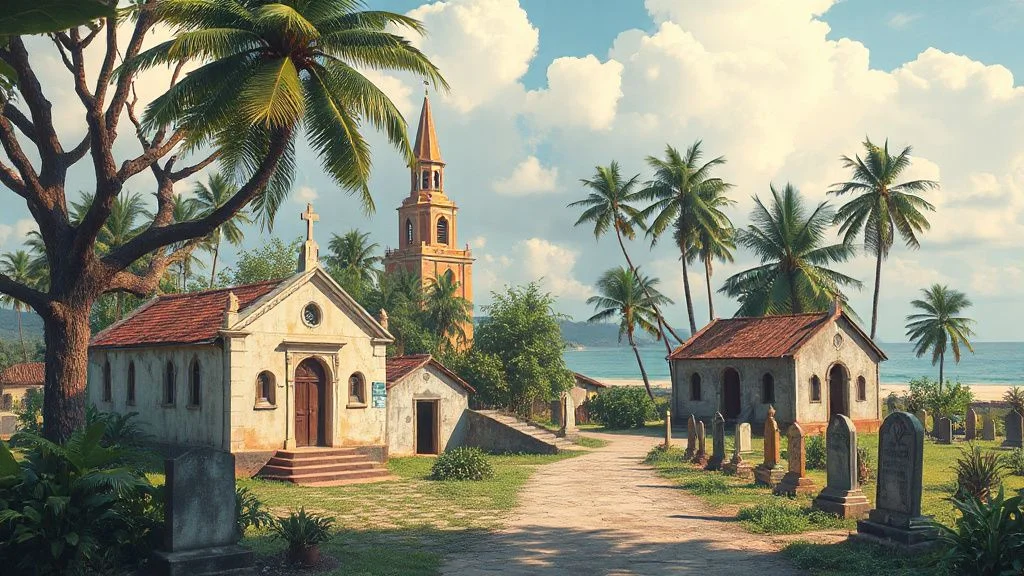
Jodensavanne is a place steeped in history and culture, on the Suriname River in Suriname. This distinctive UNESCO World Heritage site offers insight into one of the oldest Jewish communities in the Americas. In this article you will learn not only about the significance of Jodensavanne but also about how much time is best to set aside for a visit, including practical tips and recommendations for an unforgettable experience.
What is Jodensavanne?
Jodensavanne, founded in the 1660s by Sephardic Jews fleeing Brazil and Europe, is one of the oldest Jewish settlements in the Americas. The community grew into a flourishing plantation colony where sugar was grown, and where residents enjoyed full religious freedom, something rare at the time. The settlement flourished until the end of the 18th century, but economic difficulties and social unrest led many residents to move to Paramaribo.
The remains of synagogues, cemeteries and other buildings at Jodensavanne are still visible and tell the story of this remarkable community. It is a place where history and nature come together, which makes it a must-see for history enthusiasts and nature lovers alike.
The History of Jodensavanne
Jodensavanne was at its height in the early 18th century, with a population of more than 500 Jewish families and thousands of enslaved Africans who worked on the sugar plantations. The community had its own synagogue, schools and even a cemetery, which testifies to the rich cultural and religious traditions maintained here. In 2023 Jodensavanne, together with the Cassipora cemetery, was recognised as a UNESCO World Heritage site, which underlines the historical value of the location.
It is worth recognising that Jodensavanne is not only a place of religious significance but also a symbol of the diversity and the coming together of different cultures in Suriname. The Jewish community contributed to the development of the plantation economy and to the social structure of the country at that time.
Getting There and Access
Jodensavanne lies about 50 kilometres south of Paramaribo, Suriname's capital. The most common way to get there is by car or on an organised tour. Various local operators run day trips to Jodensavanne, often with a guide who gives you insight into the history of the place.
The journey time from Paramaribo to Jodensavanne varies, depending on traffic conditions. The roads are generally good, but allow for possible delays caused by weather or roadworks. It is advisable to set out early in the morning to avoid the crowds and make the most of your time at the site.
Transport Options
If you choose to drive yourself, make sure you rent a reliable car, preferably a 4x4, since some stretches of road can be uneven. Local tours are often the simplest option, because they usually arrange everything, including transport, guides and sometimes even food and drink. These tours also often offer a learning experience, with expert guides who share stories and facts you will not find in guidebooks.
One popular tour, for instance, offers a 6-hour experience departing at 09:00. This tour generally costs around €70 per person and includes an expert guide who explains not only the history but also the ecosystem surrounding Jodensavanne. This combination of history and nature makes it a distinctive experience.
How Much Time to Set Aside
For a visit to Jodensavanne it is advisable to set aside at least half a day. That gives you enough time to explore the remains of the settlement, learn more about the history and even enjoy a picnic along the Suriname River. A tour of about six hours is ideal, since it gives you the chance to see everything at your own pace and enjoy the surroundings.
If you have more time, you might consider booking a full day tour, which can also take in other nearby sights. That gives you the chance to experience more of Suriname's natural beauty, including the local flora and fauna. Some tours also offer additional activities such as nature walks or visits to local communities, which makes for a richer experience still.
Practical Tips for Visitors
- Plan ahead: Make sure you book your tour or transport in advance, particularly during the high season, to avoid disappointment.
- Dress appropriately: Wear comfortable clothing and suitable shoes for a day outdoors. Do not forget to bring sunscreen and a hat, since you will spend a good deal of time in the open.
- Bring plenty of water: Staying hydrated matters, particularly in Suriname's tropical climate. Make sure you have enough water with you for the day.
- Respect the surroundings: Jodensavanne is a place of historical and cultural importance. Make sure you treat the remains and the natural surroundings with respect.
What Expats and Tourists Should Know
For expats and tourists visiting Suriname, it is important to understand that Jodensavanne is not only a historical site but also a place where you can experience a distinctive combination of culture and nature. Local people are generally friendly, and many speak English, which makes communication easier.
It is also advisable to check that you have a local SIM card or enough mobile data, so that you always have access to navigation and information during your trip.
Conclusion
A visit to Jodensavanne is a distinctive chance to explore the rich history of the Jewish community in Suriname while also enjoying the natural beauty of the area. By setting aside at least half a day, you can make the most of the experience. Make sure you are well prepared, treat the surroundings with respect, and above all enjoy the fascinating stories this place has to offer.
Whether you are travelling alone or with friends and family, Jodensavanne will certainly stay with you as one of the highlights of your trip to Suriname.
Primary Sources
Last updated: November 2026